

Personal Finance Editorial Team
Personal Finance Editorial Team is the collective byline for our editorial team and contributor network. Articles published under this byline or an editorial pen name are researched, written, and reviewed according to our editorial standards for clarity, consistency, and independence before publication.

Budget Myths That Keep People from Starting
Think budgeting is only for people in debt, or that you need a high income to save? These misconceptions stop many peopl…

Budgeting for Irregular Expenses: Annual Bills, Car Repairs, and the Costs You Forget
Annual subscriptions, registration fees, and unexpected repairs wreck budgets because they're easy to overlook. Learn ho…

Budgeting on an Irregular Income
Freelancers, gig workers, and seasonal earners face unique challenges. Here's how to build a budget that holds up even w…

Building a Budget When You're Living Paycheck to Paycheck
When there's barely enough to cover the basics, budgeting can feel pointless. Here's a grounded, step-by-step approach f…

Discretionary Spending: Where Most Budget Flexibility Lives
Discretionary expenses are the most adjustable part of any budget. Understand what counts, how much is typical, and how …

Envelope Budgeting: How a Cash-Based System Curbs Overspending
The envelope method allocates physical (or digital) cash to each spending category. Learn how it works, who it suits, an…

Essential Budgeting Terms, Defined Simply
From discretionary spending to net income and emergency funds — a plain-English reference for the budgeting vocabulary y…
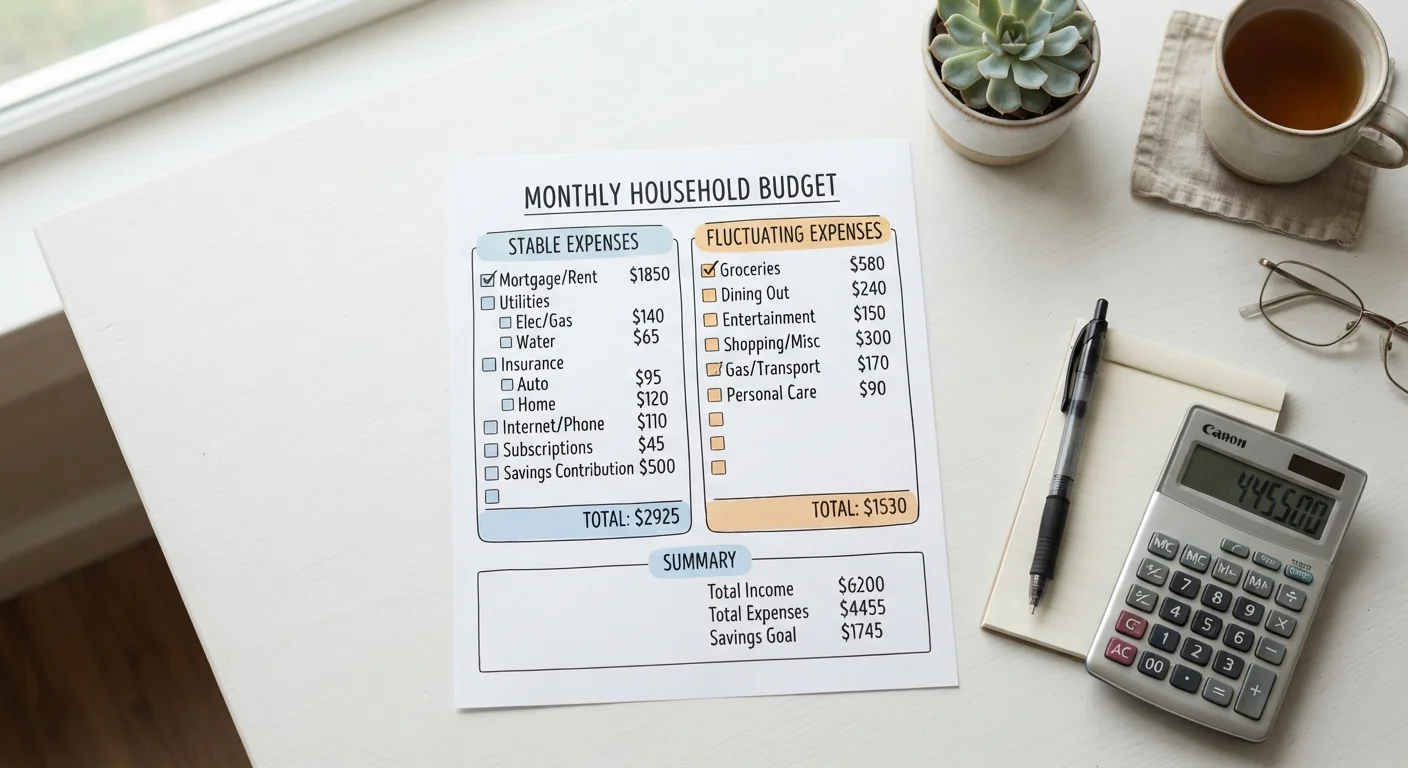
Fixed vs. Variable Expenses: Knowing the Difference Changes How You Budget
Fixed costs stay the same each month; variable costs shift. Understanding this distinction is the foundation of any work…

Habits That Separate People Who Stick to Budgets from Those Who Don't
Successful budgeters share certain consistent behaviors. This article breaks down the practical habits — not personality…

Monthly Budget Review Checklist
A practical end-of-month checklist to assess your spending, catch surprises early, and adjust your plan before the next …
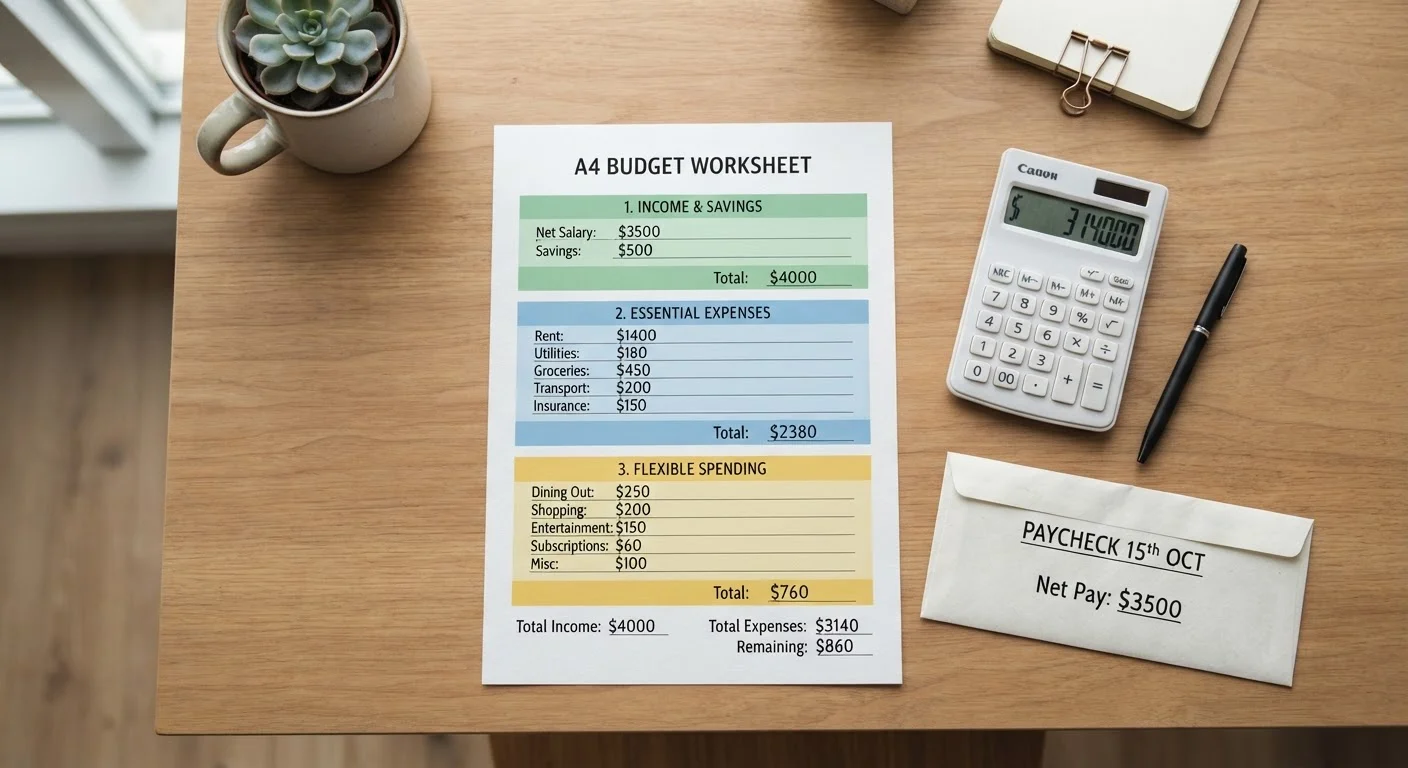
The 50/30/20 Rule: A Simple Framework for Splitting Your Paycheck
Learn how the 50/30/20 rule divides income into needs, wants, and savings — and whether this popular framework suits you…

The Real Reason Most Budgets Fall Apart After Month One
Overly rigid categories, forgotten expenses, and all-or-nothing thinking are common culprits. Find out what derails budg…

Tracking Spending by Hand vs. Using an App
Pen-and-paper or digital dashboard? Weigh the real trade-offs between manual expense tracking and budgeting apps so you …

What a Budget Actually Is — and Why It's Not About Restriction
A budget isn't a spending ban. Learn what budgeting really means, how it works, and why it's one of the most freeing fin…

Your First Budget in Seven Steps
Never budgeted before? This plain-language walkthrough covers everything from listing income to setting spending categor…

Zero-Based Budgeting vs. the 50/30/20 Rule
Two of the most common budgeting frameworks, side by side. See how zero-based and percentage-based approaches differ and…

Building a Savings Habit When Money Feels Tight
Saving consistently doesn't require a large income. Explore realistic strategies for making savings automatic, even when…

Carrying a Balance Is Not the Same as Being Irresponsible — And Other Debt Myths
Misconceptions about debt can lead to poor financial decisions. This article separates widely believed myths from what f…
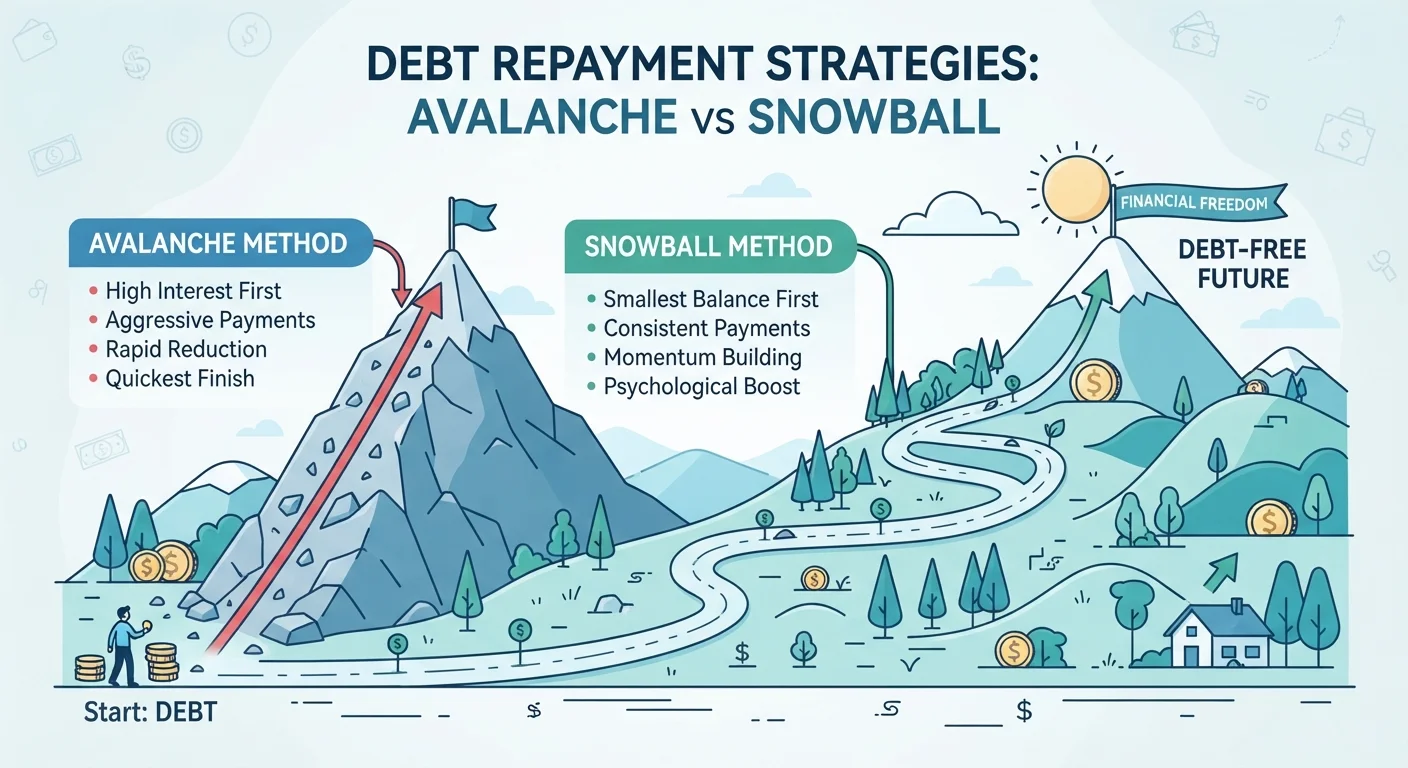
Debt Avalanche vs. Debt Snowball: Two Repayment Strategies Compared
The avalanche and snowball methods both pay off debt — but differently. See how each works and which approach fits diffe…
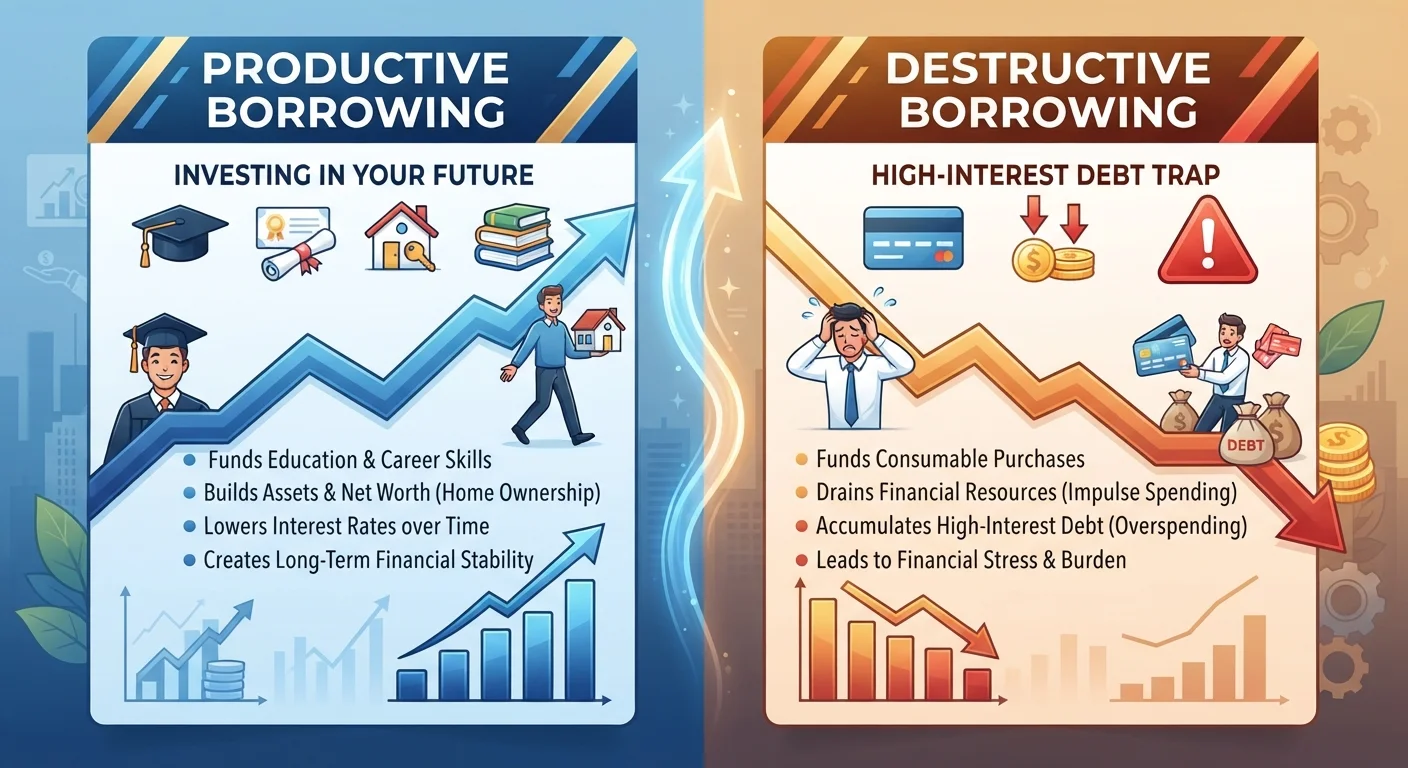
Good Debt, Bad Debt: What Financial Educators Actually Mean
Not all debt works the same way. Understand how financial educators categorize debt and what those distinctions mean for…

High-Yield Savings Accounts vs. Traditional Savings Accounts
High-yield and traditional savings accounts both hold your money safely — but they're not the same. Compare how they dif…
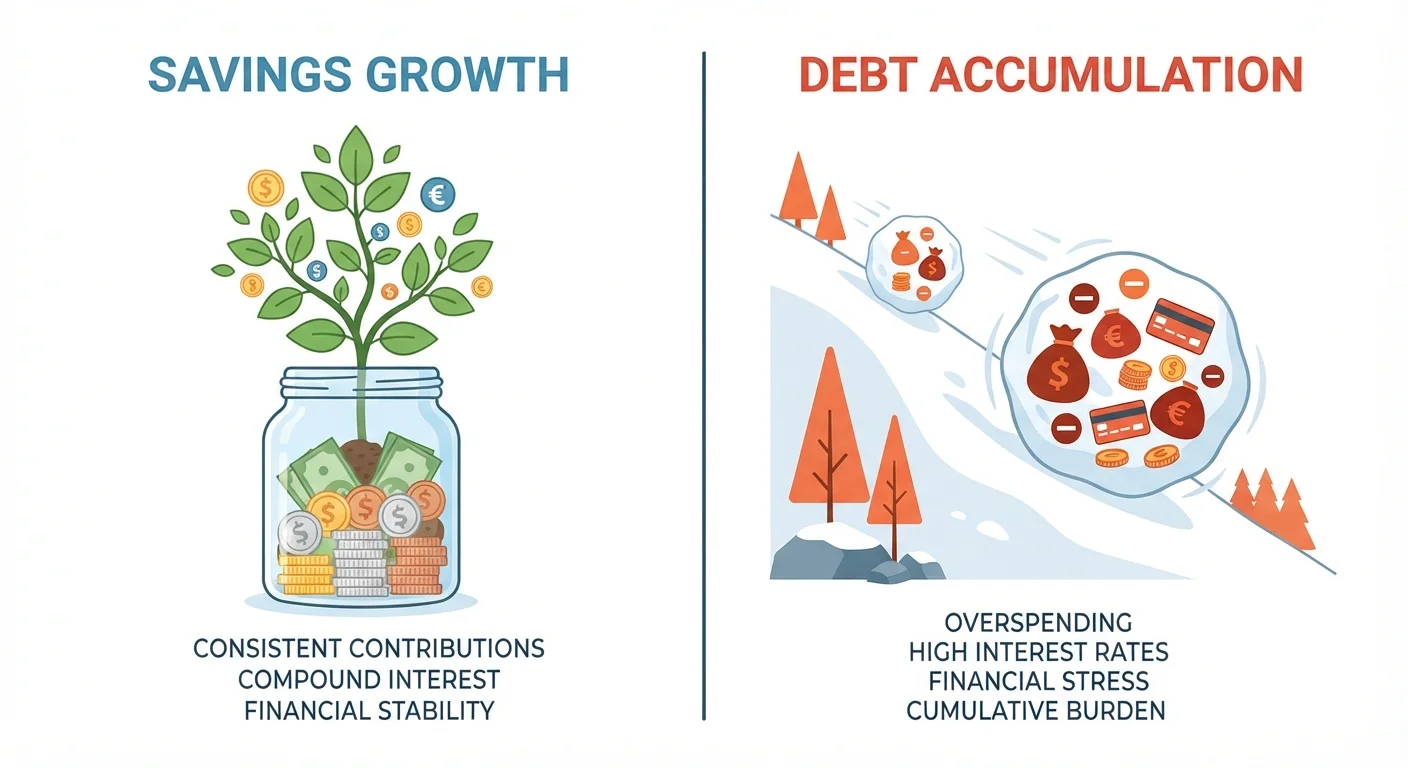
How Compound Interest Works — For and Against You
Compound interest grows savings over time but also swells debt balances. Learn how the same mechanism can help or hurt d…

Principles That Guide Sustainable Debt Repayment Over Time
Paying off debt is rarely a straight line. These widely recognized principles help consumers stay consistent without der…

Saving, Debt, and Everything in Between: A Personal Finance Foundation
A comprehensive starting point for anyone new to personal finance — covering how savings work, how debt accumulates, and…

Savings and Debt Glossary: Key Terms Every Consumer Should Know
From APR to compound interest to net worth, this plain-language glossary covers the savings and debt terms you'll encoun…

Signs Your Debt Load May Be Becoming Unmanageable
Debt can creep up gradually. Learn the early warning signs that your debt-to-income balance may be shifting into territo…

Sinking Funds Explained: A Targeted Way to Save for Known Expenses
A sinking fund sets aside money for a specific future cost — like a car repair or annual insurance bill. Learn how this …

The Difference Between Saving and Investing (And Why It Matters Early On)
Saving and investing serve different purposes. Learn what sets them apart and when each approach makes sense for your fi…
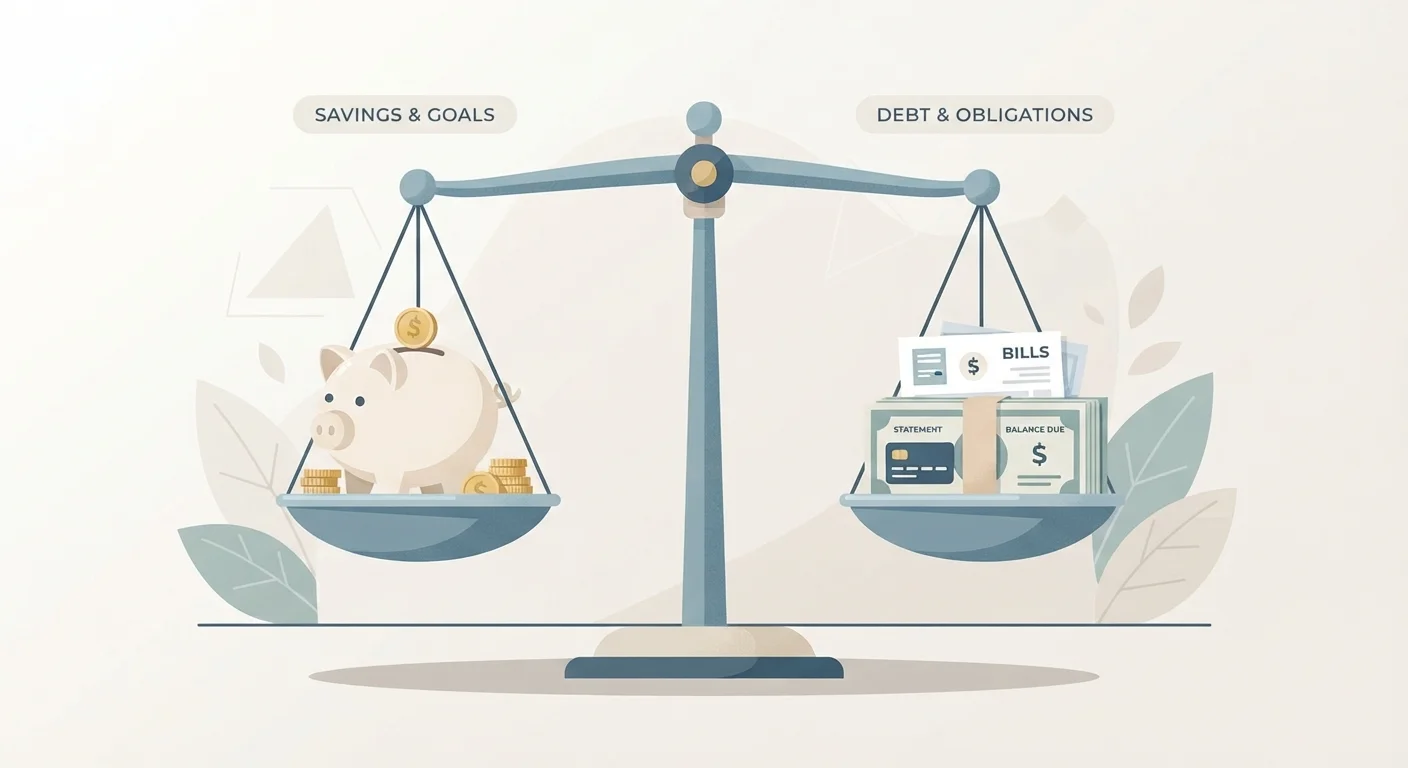
The Trade-Off Between Paying Down Debt and Building Savings
Should extra money go toward debt or savings first? Understand the key factors that shape this common personal finance d…

What Is a Debt-to-Income Ratio and Why Lenders Watch It Closely
Your debt-to-income ratio affects loan approvals and interest rates. Learn how it's calculated and what range lenders ge…
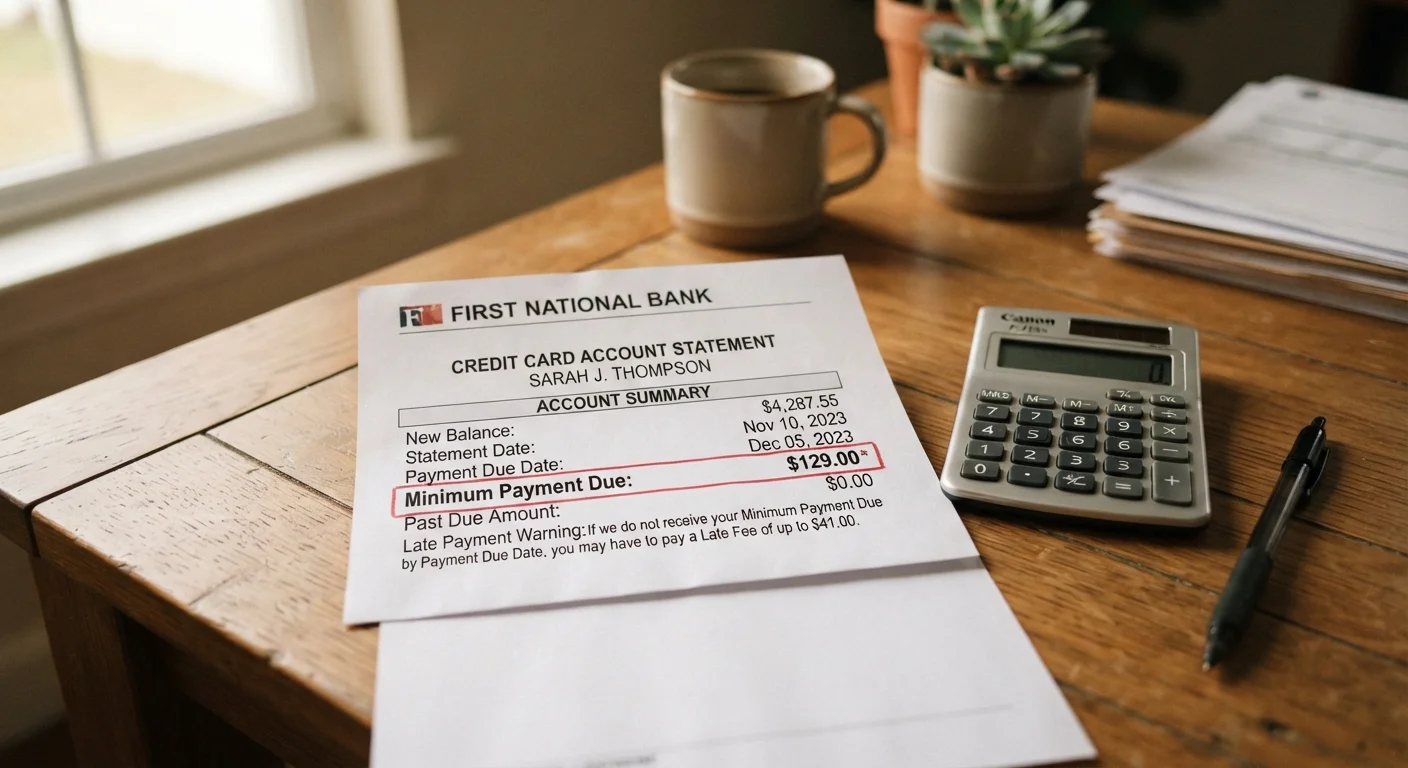
Why Paying Only the Minimum Balance Costs You More Than You Think
Minimum payments keep accounts current but extend debt for years. Here's how interest compounds over time and what it ac…

Your First Emergency Fund: How Much Is Enough and Where to Keep It
An emergency fund is one of the most important financial safety nets. Learn how to size yours and where it should sit wh…
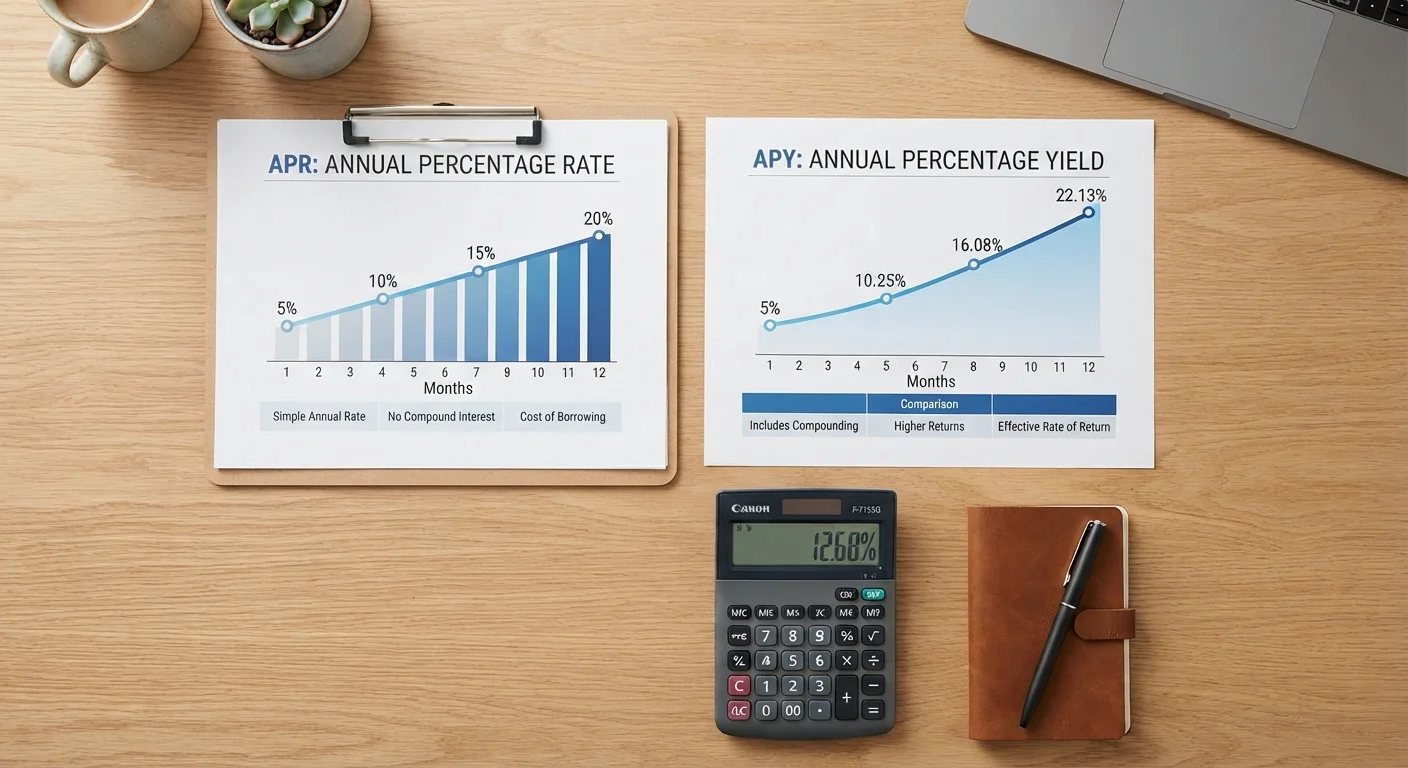
APR vs. APY: The Difference That Changes What You Actually Pay or Earn
APR and APY sound almost identical but work very differently. Here's how each is calculated and when each number is the …

Compound Interest: Why Your Money Grows Faster Than You Think
Learn how compound interest works, why it matters for savings and debt, and the key difference between compounding daily…
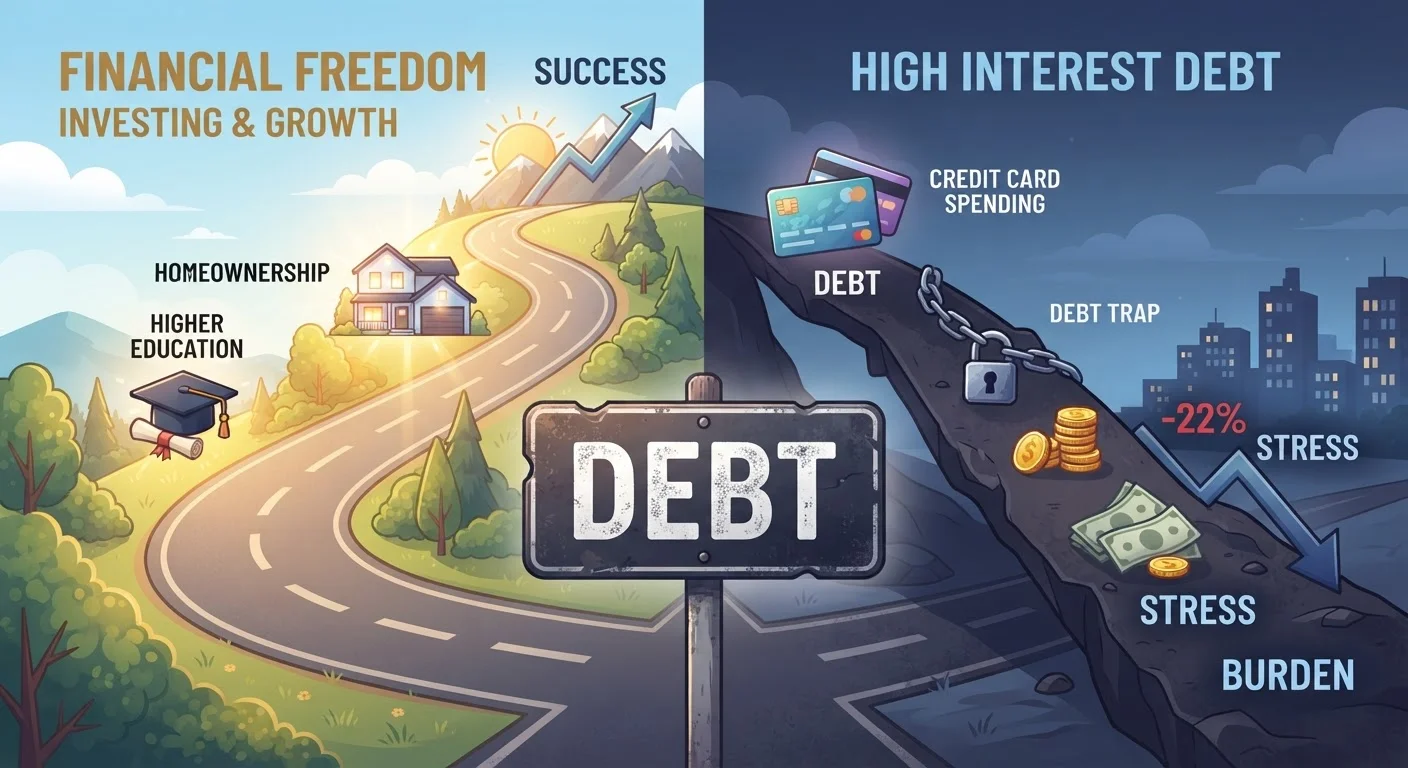
Debt Is Not Always Bad: Understanding Good Debt vs. Bad Debt
Not all borrowing works against you. Learn how financial professionals distinguish productive debt from high-cost debt t…

Emergency Funds: What They Are, How Big They Should Be, and Where People Keep Them
An emergency fund is one of the most recommended personal finance tools. Learn what it is, general sizing guidelines, an…

Financial Terms Every Adult Should Know Before 30
APR, liquidity, amortization, and more — a curated glossary of money concepts that form the foundation of financial lite…

Gross Pay vs. Take-Home Pay: Where Does the Rest Go?
Your paycheck always looks smaller than your salary. Here's a clear breakdown of taxes, deductions, and withholdings tha…

How a Budget Actually Works — and Why Most People Build Theirs Wrong
A budget isn't a restriction — it's a spending plan. Learn the mechanics behind budgeting and the misconceptions that tr…
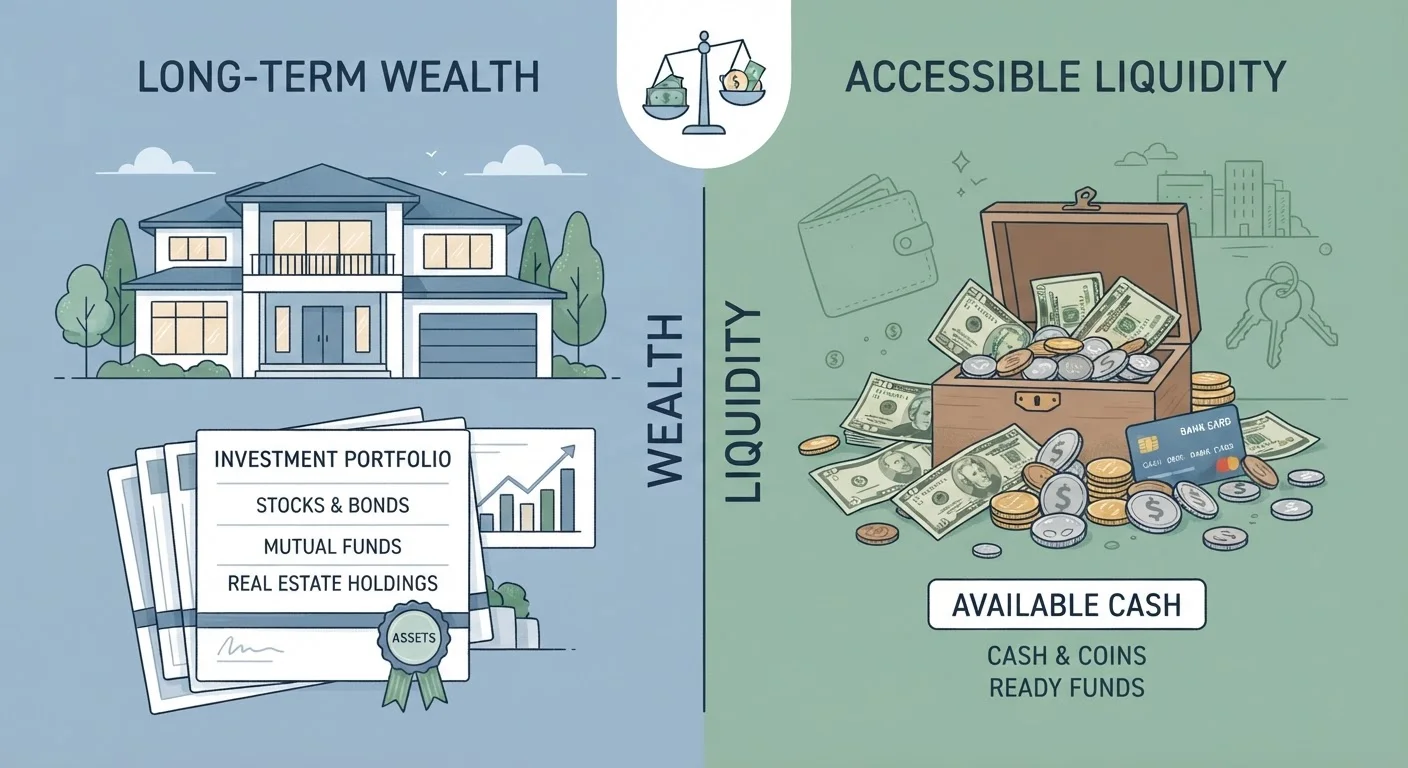
Liquidity: Why Having Money Isn't the Same as Having Access to Money
Liquidity explains how quickly an asset can be converted to cash. Understanding it helps you avoid being asset-rich but …
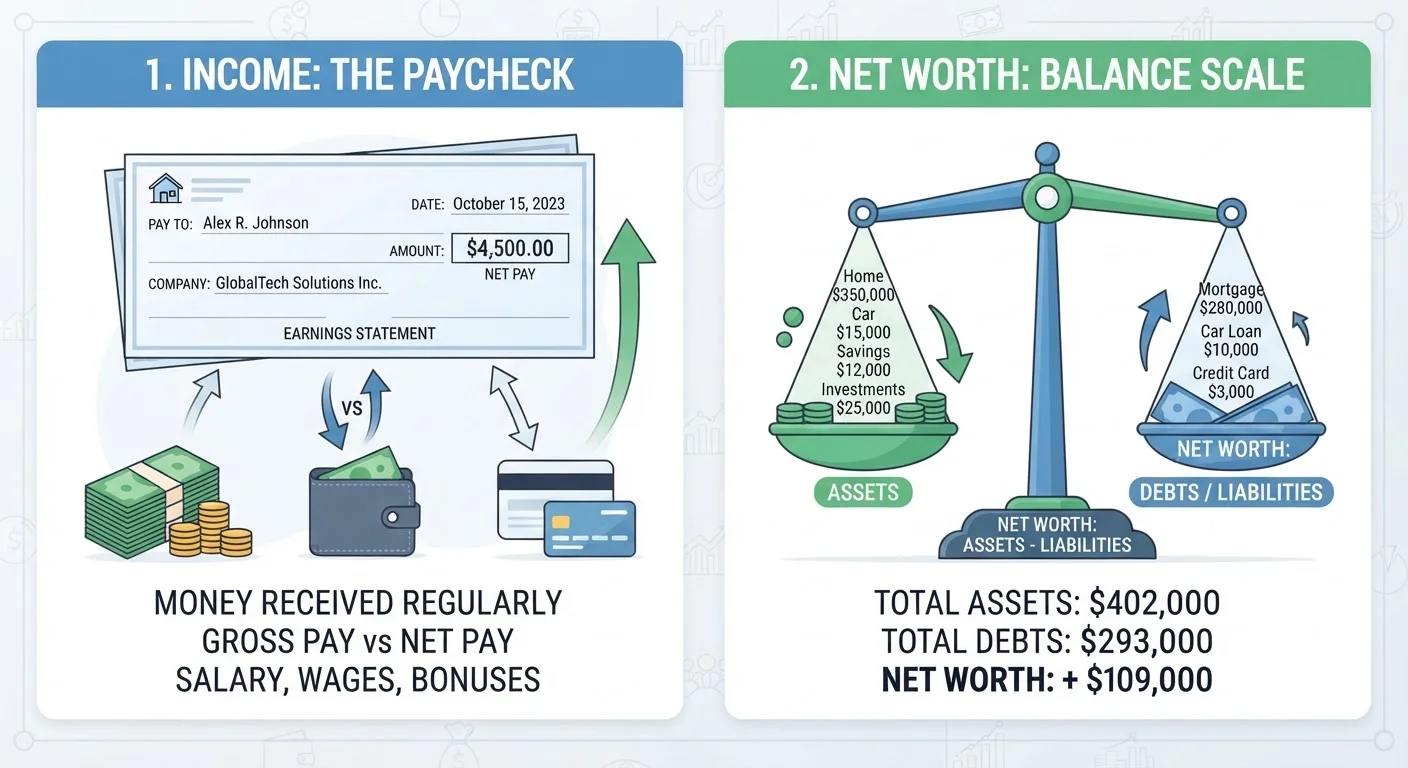
Net Worth vs. Income: They Are Not the Same Thing
Many people confuse income with wealth. Here's what net worth actually means, how to calculate yours, and why the distin…

Personal Finance from the Ground Up: Core Concepts and How They Connect
Income, spending, saving, debt, and investing — how the fundamental pieces of personal finance fit together into a coher…

Reading a Pay Stub: A Field Guide to Every Line Item
Federal withholding, FICA, pre-tax deductions — your pay stub contains a lot of information. Here's what each section ac…

Tax-Advantaged Accounts Demystified: 401(k), IRA, HSA, and FSA
401(k), IRA, HSA, FSA — what each account type does, how the tax benefit works, and why they exist in the first place.…

The Language of Credit Scores: A Plain-English Glossary
FICO, utilization ratio, hard inquiry — decoded. A quick-reference guide to the credit score terms every American should…

The Pros and Cons of Paying Cash for Everything
Going cash-only sounds financially responsible, but it comes with real trade-offs. A balanced look at what you gain and …
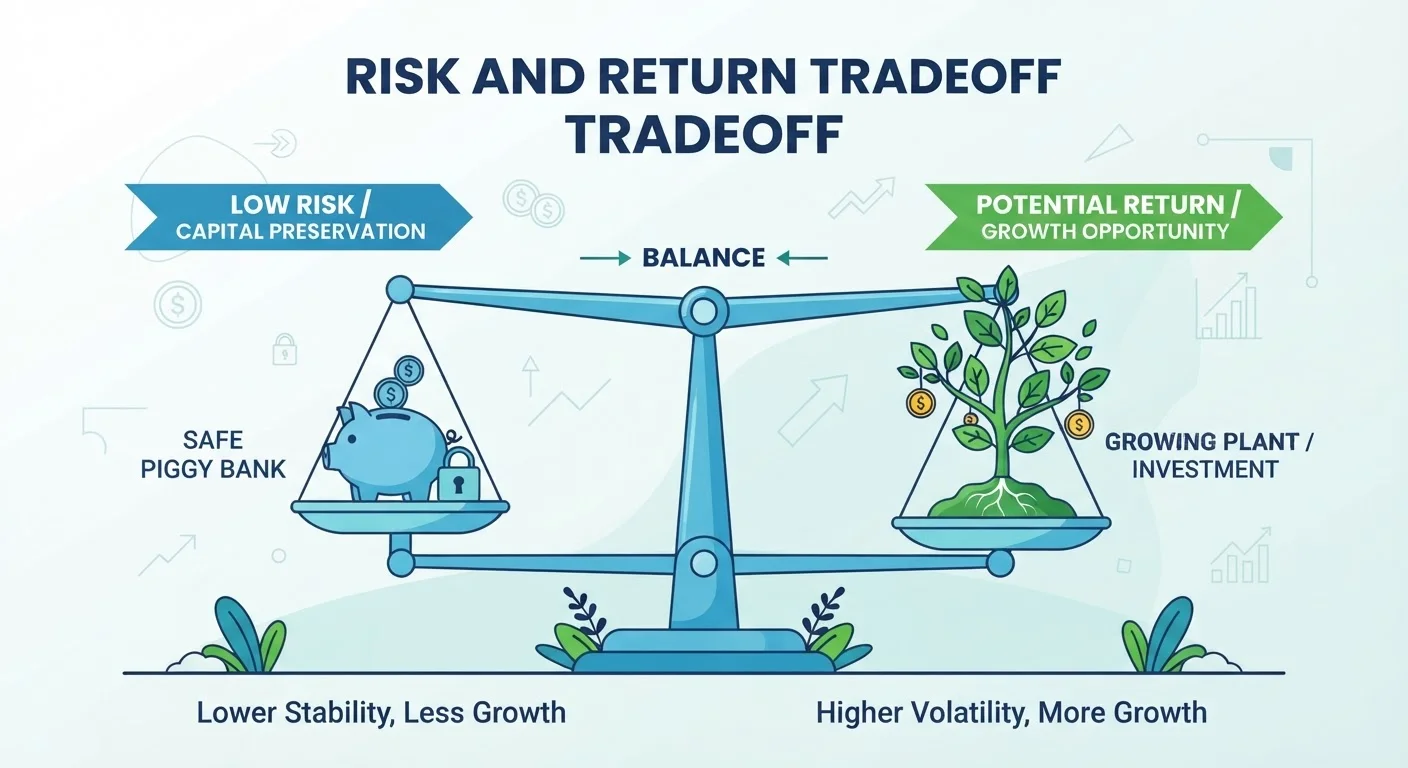
Understanding Risk and Return in Plain Language
Why do higher-return opportunities carry more risk? This explainer breaks down the risk-return relationship without fina…

What Inflation Actually Does to Your Purchasing Power
Inflation isn't just rising prices. Understand how it erodes the real value of your money over time and what that means …