
Everything Homeowners Should Know About Roof Maintenance
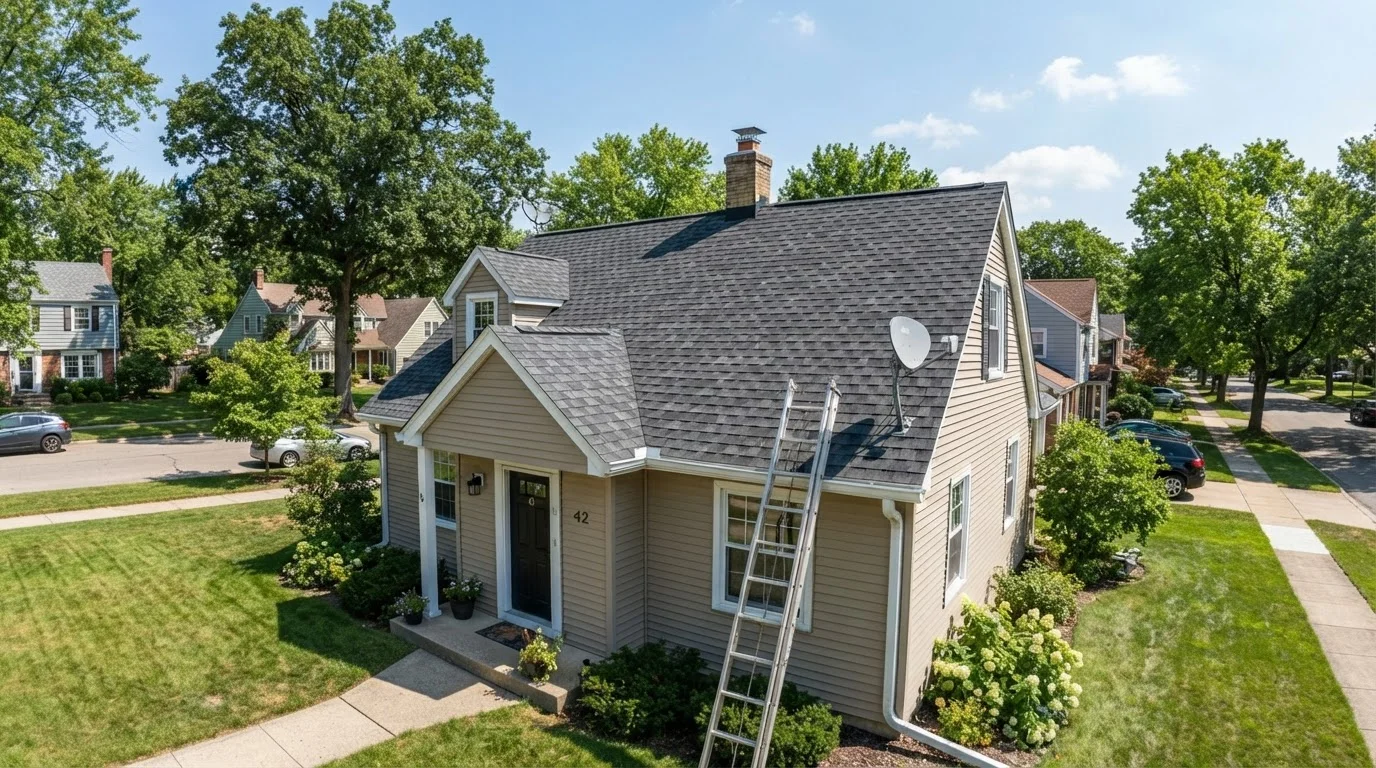
Photo credit: Glowwwatch.com
In this article
A comprehensive look at roof lifespan, inspection basics, common damage signs, and when to call a roofing professional.
Key Takeaways
- Most asphalt shingle roofs last 20–30 years; inspecting twice yearly catches problems early.
- Ground-level visual checks are safer than climbing onto the roof for most homeowners.
- Missing shingles, granule loss, and damaged flashing are the most common warning signs.
- Gutters, attic ventilation, and overhanging limbs all directly affect roof health.
- Structural damage, widespread leaks, and post-storm assessments warrant a licensed professional.
- Keeping a written maintenance log helps with insurance claims and future home sales.
How Long Does a Roof Actually Last?
Roof lifespan depends heavily on the material used. Here's a general reference for common roofing types:
- Asphalt shingles (3-tab): 15–20 years
- Architectural (dimensional) asphalt shingles: 25–30 years
- Metal roofing: 40–70 years
- Clay or concrete tile: 50+ years
- Wood shake: 20–30 years with proper maintenance
These ranges assume adequate ventilation, routine upkeep, and no severe weather events. Climate plays a significant role — roofs in areas with heavy snow loads, frequent hail, or intense UV exposure may age faster. Knowing your roof's approximate age and material is the foundation of any maintenance plan.
20–30 years
Typical lifespan of asphalt shingle roofs
Industry estimates from roofing trade organizations suggest most asphalt shingle roofs last two to three decades under normal conditions.
2x per year
Recommended roof inspection frequency
Roofing professionals generally advise inspections each spring and fall to catch seasonal damage before it worsens.
#1
Cause of roof leaks: failed flashing
Damaged or improperly sealed flashing around chimneys, vents, and valleys is consistently cited as a leading source of residential roof leaks.
How to Inspect Your Roof Safely
A twice-yearly inspection — ideally in spring and fall — gives you the best chance of catching issues before they become expensive repairs. For most homeowners, a thorough inspection does not require getting on the roof.
Ground-Level Check
Use binoculars from the yard to scan the entire roof surface. Look for missing, curling, or discolored shingles, sagging areas, and visible debris accumulation around valleys and the base of the chimney.
Attic Inspection
Go into the attic on a bright day with a flashlight turned off. If you see daylight coming through the decking, that's a problem. Also look for water stains, dark streaks (mold), or sagging wood — all signs of moisture infiltration.
Gutter Clues
Granules in the gutters indicate shingle wear. A significant amount of granule loss means the shingles are nearing the end of their protective life. See our guide on how gutters fail and how to maintain them for more detail on what clogged or damaged gutters can do to your roof system.
Never rely solely on a ceiling stain to locate a roof leak — water travels along rafters and decking before dripping, often appearing feet away from the actual entry point. Trace moisture back to its source in the attic before calling for repairs.
Misidentifying the leak location leads to unnecessary repairs and ongoing damage. Attic tracing saves both time and money.
If you're buying a home, always request a dedicated roof inspection separate from the general home inspection — a roofing specialist will assess shingle condition, flashing, and ventilation with far greater precision.
General home inspectors vary widely in roofing expertise; a specialist catches granule loss patterns, improper layering, and ventilation deficiencies that a generalist may miss.
Common Signs of Roof Damage
Spotting damage early is the difference between a minor repair and a major project. Watch for these red flags:
- Curling or buckling shingles: Often caused by age, improper installation, or inadequate ventilation.
- Missing shingles: Even a single missing shingle exposes underlayment and decking to water.
- Cracked or broken shingles: Common after hail or wind events.
- Granule loss: Excessive granules in gutters or downspouts signal accelerated shingle aging.
- Damaged or missing flashing: Flashing seals joints around chimneys, skylights, and vents; failed flashing is a leading cause of leaks.
- Moss or algae growth: Holds moisture against shingles and can accelerate deterioration over time.
- Interior water stains: Brown ceiling spots or peeling paint near exterior walls often trace back to the roof.
Don't Ignore Moss and Algae
Moss and algae growth may look cosmetic, but moss in particular retains moisture against shingle surfaces and can work under shingle edges, accelerating deterioration. Treatment options exist, but improper application of cleaning products can void shingle warranties. Consult a roofing professional before treating widespread growth.
Seasonal Maintenance Tasks
Organizing maintenance by season makes it easier to stay consistent. Here's what to prioritize:
Spring
After winter, inspect for ice dam damage, check flashing integrity, and clear any debris from valleys and gutters. Trim tree limbs that overhang the roof — falling branches and constant abrasion from limbs are a common and preventable source of damage.
Summer
Check attic ventilation. Poor ventilation traps heat, which degrades shingles from the underside and can warp roof decking. Ensure soffit and ridge vents are unobstructed.
Fall
Clear leaves and debris before they mat down and trap moisture. Inspect gutters and downspouts so they're ready to handle winter precipitation. This is also a good time to check caulking around flashing and pipe boots.
Winter
After heavy snow, watch for signs of excessive load on the structure. Never climb onto a snow- or ice-covered roof. If you're concerned about ice dams forming at the eaves, consult a professional about insulation and ventilation improvements — these are the root causes, not just symptoms.
For a broader view of what maintenance tasks homeowners can safely handle versus when to step back, see our article on home maintenance tasks worth doing yourself.
When to Call a Roofing Professional
Some situations go beyond what a homeowner should attempt to assess or repair. Contact a licensed roofing contractor when:
- You find active leaks or water intrusion that you cannot trace to a single, simple source.
- Shingles are missing across multiple areas or after a significant storm.
- The roof is more than 20 years old and hasn't been professionally evaluated.
- There are signs of structural sagging or soft spots in the decking.
- You need an assessment for an insurance claim — insurers often require a professional inspection report.
When hiring a contractor, verify they hold a valid state license and carry both liability insurance and workers' compensation coverage. Ask for a written estimate before any work begins, and check that any proposed work will comply with local building codes. Many jurisdictions require permits for full roof replacements — confirm this with your local building department.
Note: Walking on a roof without proper equipment and training carries real fall risk. When in doubt, keep your feet on the ground and let a professional get on top.
Keeping Records and Planning Ahead
A written maintenance log makes your roof history visible and useful. Record each inspection date, what you found, any repairs made, and which contractor performed the work. This documentation serves three practical purposes: it supports insurance claims, preserves warranty coverage on materials and labor, and signals to future buyers that the home has been well cared for.
If your roof is approaching the end of its expected lifespan, begin planning and budgeting for replacement before you're forced into an emergency decision. Roof replacement is one of the larger home expenses, and having a financial cushion matters. Learn how to set up a system that keeps these records organized with our guide on building a home maintenance log that actually gets used.
If you're new to homeownership and feeling unsure where to start, our guide Your First Year as a Homeowner covers roof checks alongside all the other priorities worth tackling in year one.
This article is for general informational purposes only. Roofing work involving structural components, electrical penetrations, or local code compliance should be evaluated by a licensed professional. Always verify permit requirements with your local building authority before beginning any significant roofing project.

Author
Home & Garden Editorial Team
Home & Garden Editorial Team is the collective byline for our editorial team and contributor network. Articles published under this byline or an editorial pen name are researched, written, and reviewed according to our editorial standards for clarity, consistency, and independence before publication.
View all articles →