
What a Budget Actually Is — and Why It's Not About Restriction
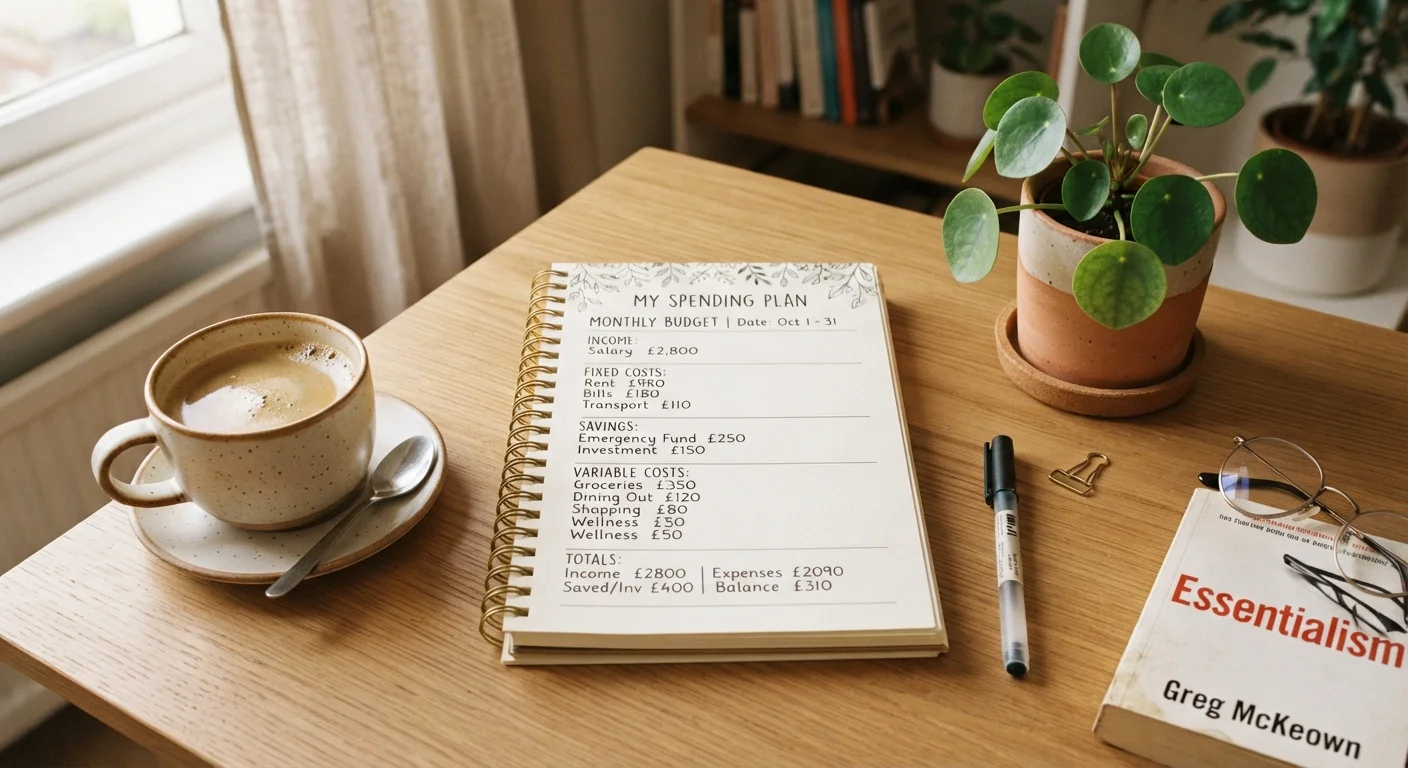
Photo credit: Glowwwatch.com
In this article
A budget isn't a spending ban. Learn what budgeting really means, how it works, and why it's one of the most freeing financial habits you can build.
Key Takeaways
- A budget is a spending plan, not a ban on spending.
- Budgets work by giving every dollar a specific job before the month begins.
- You do not need a high income or zero debt to start budgeting.
- A budget helps you spend intentionally on things that genuinely matter to you.
- Simple budgeting frameworks can be applied immediately, without special tools.
The Common Misconception That Holds People Back
Most people picture a budget as a long list of things they're not allowed to buy. That image — of cutting out coffee, skipping dinner with friends, and living like a monk — is precisely why so many people avoid budgeting altogether. It sounds punishing, not practical.
But that picture is wrong. A budget is simply a spending plan. It doesn't dictate that you stop spending; it helps you decide how to spend. The difference matters enormously. One feels like a cage. The other feels like clarity.
Check out common budget myths that stop people before they start to see how many of these beliefs aren't grounded in reality.
Budgeting Looks Different for Everyone
There is no single correct budget format. Some people use notebook and pen; others prefer a spreadsheet or a budgeting app. The method matters far less than the habit of planning before spending. Choose whatever format you'll actually use consistently.
What a Budget Actually Does
At its core, a budget answers one question: Where should my money go this month? It matches your income against your expenses and savings goals before the month begins, so you're making choices deliberately rather than discovering — too late — that the money is gone.
A basic budget has three moving parts:
- Income: The money coming in — wages, freelance pay, benefits, or any other regular source.
- Expenses: Fixed costs (rent, insurance, loan payments) and flexible costs (groceries, transportation, entertainment).
- Goals: What you're working toward — an emergency fund, a vacation, paying off a credit card, or retirement savings.
When income minus expenses leaves a gap for goals, the budget is doing its job. If expenses are outpacing income, the budget reveals that clearly so you can make an informed choice — rather than finding out when your account runs dry.
~33%
Americans with a detailed household budget
A Gallup survey found that only about one in three American households maintains a detailed monthly budget, despite widespread awareness of its benefits.
78%
Workers living paycheck to paycheck
According to a CareerBuilder survey frequently cited in personal finance research, a large majority of U.S. workers report living paycheck to paycheck, regardless of income level.
A Simple Framework You Can Use Today
You don't need a spreadsheet or special software to start. One of the most accessible frameworks is the 50/30/20 rule, a guideline that divides your after-tax income into three broad buckets:
- 50% to needs: Rent or mortgage, utilities, groceries, minimum debt payments, transportation to work.
- 30% to wants: Dining out, streaming subscriptions, hobbies, travel, and other non-essentials.
- 20% to savings and extra debt repayment: Emergency fund contributions, retirement accounts, or accelerated loan payoffs.
These percentages are guidelines, not rules carved in stone. Someone with high housing costs in an expensive city might need to adjust. That's fine — the point is to start with a framework and refine it over time, not to achieve perfection immediately.
For plain-English definitions of the terms you'll encounter as you build your plan, see this guide to essential budgeting terms.
Start With One Month, Not Forever
New budgeters often quit because they try to plan every month in advance. Instead, commit to one month only. Track your income, list your expected expenses, and assign your savings goal. At the end of the month, review what worked and adjust. One successful month builds the confidence to continue.
Why Budgeting Feels Freeing, Not Restricting
Here's the shift that changes everything for most new budgeters: when you plan to spend $200 on dining out, spending that $200 feels good — because you already decided it was worth it. There's no guilt, no anxiety, no wondering if you should have said no. The decision was already made, intentionally.
That's the freedom a budget creates. It replaces vague financial dread with concrete knowledge. You know what's covered. You know what's left. You know what you're working toward.
The habits that make budgets sustainable aren't about willpower — they're about building a system that removes the guesswork from money decisions.
And if your first budget doesn't survive contact with real life, that's normal. Understanding why budgets fall apart after month one is a natural next step — and it's more fixable than most people expect.
This article is for general informational and educational purposes only. It does not constitute personalized financial advice. Please consult a qualified financial professional for guidance tailored to your individual circumstances.
Frequently Asked Questions

Author
Personal Finance Editorial Team
Personal Finance Editorial Team is the collective byline for our editorial team and contributor network. Articles published under this byline or an editorial pen name are researched, written, and reviewed according to our editorial standards for clarity, consistency, and independence before publication.
View all articles →