
The Language of Credit Scores: A Plain-English Glossary
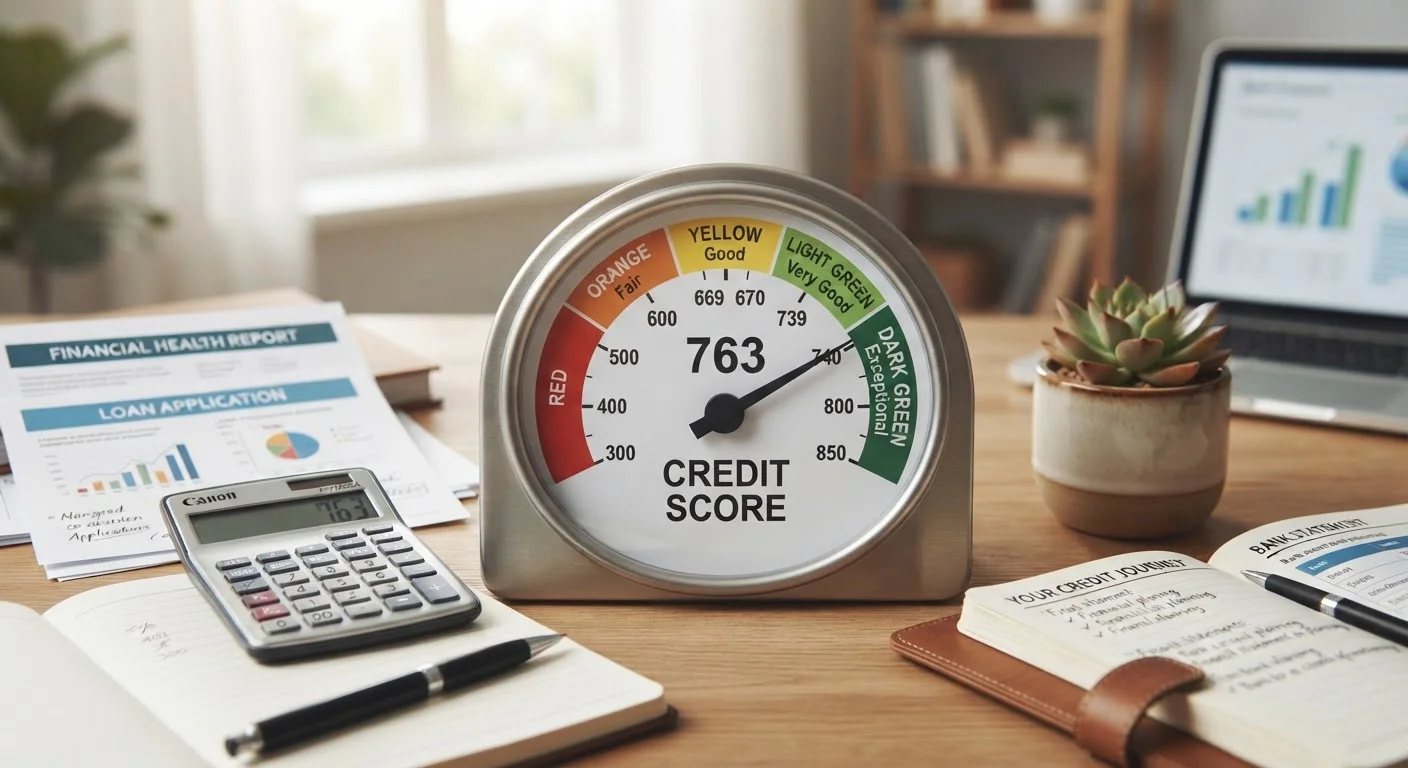
Photo credit: Glowwwatch.com
In this article
FICO, utilization ratio, hard inquiry — decoded. A quick-reference guide to the credit score terms every American should understand.
Why Credit Score Vocabulary Matters
When you apply for a mortgage, car loan, or even an apartment, lenders pull your credit information and use it to judge how reliably you repay debt. Yet most people have never been taught the words lenders use every day. Misreading a term — or missing it entirely — can mean accepting a higher interest rate or being denied credit without understanding why.
This glossary cuts through the jargon. Whether you're building credit for the first time or trying to improve an existing score, knowing these terms puts you in a stronger position. For an even broader financial vocabulary, see our guide to financial terms every adult should know.
Credit Score
A three-digit number — typically ranging from 300 to 850 — that summarizes your creditworthiness based on your borrowing and repayment history. Higher scores signal lower risk to lenders.
FICO Score
The credit score model created by Fair Isaac Corporation and most commonly used by lenders in the United States. FICO scores are calculated from data in your credit report and range from 300 to 850.
VantageScore
An alternative credit scoring model developed jointly by the three major credit bureaus (Equifax, Experian, and TransUnion). It uses the same 300–850 scale as FICO but applies a different weighting formula.
Credit Report
A detailed record of your credit history, including all open and closed accounts, payment history, balances, and public records such as bankruptcies. Lenders use it to calculate your score.
Credit Bureau
A company that collects and maintains consumer credit information and provides it to lenders. The three major U.S. bureaus are Equifax, Experian, and TransUnion.
Credit Utilization Ratio
The percentage of your available revolving credit (such as credit card limits) that you are currently using. For example, a $3,000 balance on a $10,000 limit equals 30% utilization. Lower utilization generally helps your score.
Hard Inquiry
A review of your credit report triggered by a formal application for credit — such as a loan or credit card. Hard inquiries can temporarily lower your score by a small number of points.
Soft Inquiry
A credit check that does not affect your score. Examples include checking your own credit, background checks by employers, and pre-qualification reviews by lenders.
Payment History
A record of whether you have paid your debts on time. It is the single largest factor in most credit scoring models, accounting for roughly 35% of a FICO score.
Derogatory Mark
Negative information on a credit report — such as late payments, collections, charge-offs, or bankruptcies — that indicates credit difficulties and typically lowers your score.
Credit Mix
The variety of credit account types you have, including credit cards (revolving credit) and installment loans such as auto loans or mortgages. A diverse mix can positively influence your score.
Age of Credit History
The average length of time your credit accounts have been open. A longer credit history generally benefits your score, which is why closing old accounts can sometimes hurt it.
Key Credit Score Terms at a Glance
The quick-facts card below captures the essential numbers and benchmarks you'll encounter most often when dealing with credit.
| FICO Score Range | 300 – 850 (Fair Isaac Corporation) |
| "Good" Credit Threshold (FICO) | 670 or above (myFICO.com score ranges) |
| Recommended Utilization Ratio | Below 30% (Consumer Financial Protection Bureau guidance) |
| Payment History Weight (FICO) | 35% of score (Fair Isaac Corporation) |
| Free Annual Credit Reports Available | 3 (one per bureau) (AnnualCreditReport.com, authorized by federal law) |
| Hard Inquiry Score Impact | Typically under 5 points (myFICO.com) |
Once you know these anchor points, the detailed definitions below will click into place much more quickly.
How Scores Are Calculated and Why It Matters
Your credit score is not a single, fixed number — it's a snapshot that changes as your financial behavior changes. The most widely used scoring model, FICO, weighs five factors: payment history (35%), amounts owed (30%), length of credit history (15%), new credit (10%), and credit mix (10%). VantageScore, a competing model used by some lenders, weighs these factors slightly differently.
Understanding utilization ratio — how much of your available revolving credit you're using — is especially powerful because it's the factor you can adjust most quickly. Paying down a credit card balance can lower your utilization and raise your score within a single billing cycle.
Hard inquiries, generated when a lender checks your credit as part of an application, can temporarily lower your score by a few points. Multiple hard inquiries for the same type of loan (such as auto or mortgage) made within a short window — typically 14 to 45 days depending on the scoring model — are often grouped and counted as one, limiting the damage. Soft inquiries, like checking your own score, have no effect at all.
Credit decisions also affect other financial areas. If you're planning a home purchase, the real estate terms first-time buyers should understand can help you see how credit scores connect to mortgage qualification. For a full picture of debt-related vocabulary, our savings and debt glossary is a helpful companion reference.
This article is for general informational and educational purposes only and does not constitute personalized financial or legal advice. Consult a qualified financial professional for guidance specific to your situation.

Author
Personal Finance Editorial Team
Personal Finance Editorial Team is the collective byline for our editorial team and contributor network. Articles published under this byline or an editorial pen name are researched, written, and reviewed according to our editorial standards for clarity, consistency, and independence before publication.
View all articles →