
Car Ownership Maintenance from Day One
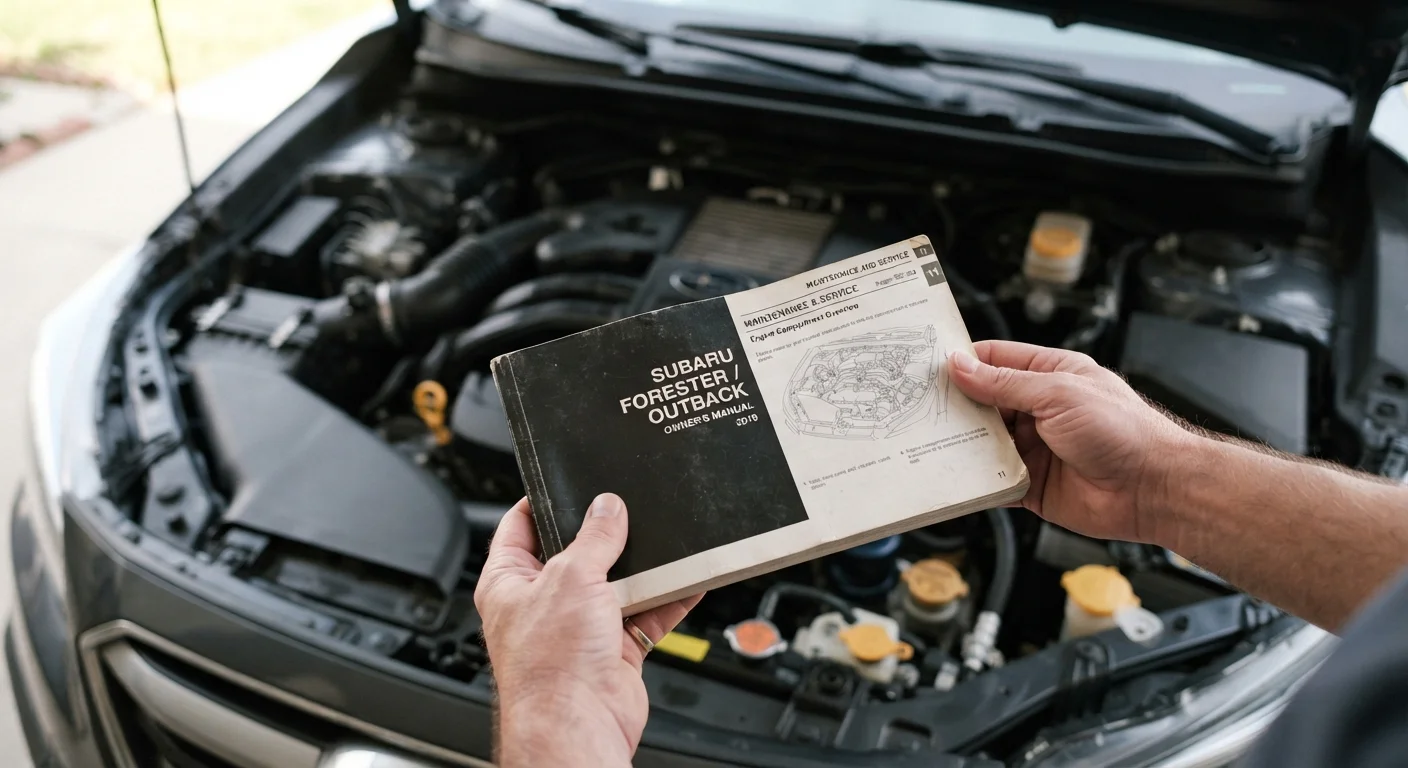
Photo credit: Glowwwatch.com
In this article
Never owned a car before? This guide walks you through every major upkeep task, in plain terms, so nothing catches you off guard.
Key Takeaways
- Your owner's manual is the authoritative source for your vehicle's specific maintenance intervals.
- Checking fluid levels regularly takes minutes and can prevent expensive repairs.
- Tire pressure and tread depth directly affect braking distance and handling safety.
- A consistent maintenance schedule protects both the vehicle's reliability and its resale value.
- Many routine checks are safe for owners to do themselves; others require a qualified mechanic.
Why Maintenance Matters From the Start
A car is one of the largest purchases most people ever make, and what happens after the sale determines how long it holds up. Neglected vehicles wear out faster, need more expensive repairs, and can become unsafe to drive — often without much warning. Starting good habits on day one means you're less likely to face a breakdown at an inconvenient moment or a repair bill that blindsides you.
Good maintenance also protects the value of your investment. A vehicle with a documented service history is worth more when it comes time to sell or trade in. If you're new to car ownership and want a broader look at everything ownership involves, see our complete first-time owner's guide for context beyond just maintenance.
Owner's manual
A booklet that comes with your vehicle containing instructions, specifications, and the manufacturer's recommended maintenance schedule for your specific car.
Maintenance interval
The recommended mileage or time period between a specific service task, such as changing the oil every 5,000 miles or flushing coolant every two years.
Tire pressure (PSI)
The amount of air inside your tires, measured in pounds per square inch. Keeping it at the correct level affects safety, fuel economy, and tire lifespan.
Tread depth
The depth of the grooves in a tire's surface. Adequate tread channels water away from the tire contact patch and maintains grip, especially in wet conditions.
Brake fluid
A hydraulic fluid that transmits the force from your brake pedal to the brakes at each wheel. It absorbs moisture over time and needs to be replaced periodically.
VIN (Vehicle Identification Number)
A unique 17-character code assigned to every vehicle that identifies its make, model, year, and manufacturing details. You'll use it for service records, recalls, and registration.
The Fluids You Need to Know
Your car runs on several fluids, and keeping them at the right levels is one of the simplest things you can do to protect the engine and other systems. Most can be checked under the hood in under five minutes.
- Engine oil: Lubricates the engine's moving parts. Check the dipstick with the engine off. Oil should be between the minimum and maximum marks and look amber to dark brown — not black and gritty.
- Coolant (antifreeze): Keeps the engine from overheating. Check the reservoir when the engine is cold. Never open the radiator cap when the engine is hot.
- Brake fluid: Transfers pressure from your foot to the brakes. It lives in a small reservoir near the firewall. If it's consistently low, have a mechanic inspect for leaks.
- Transmission fluid: Keeps the gearbox running smoothly. Some vehicles have a dipstick for this; others require a mechanic to check it.
- Windshield washer fluid: The only fluid safe to top off with a store-bought solution without special knowledge. Don't substitute water — it can freeze and doesn't clean as effectively.
For a deeper look at what gets checked during a professional service visit, our routine maintenance explainer walks through each item and why it matters.
Check Fluids When the Engine Is Cold
For the most accurate readings, check engine oil and coolant levels when the car has been sitting for at least 30 minutes. A hot engine can give misleading readings and, in the case of coolant, opening a pressurized cap poses a burn risk. Make it a habit to do a quick fluid check before a long trip or on the first of each month.
Tires, Brakes, and the Parts That Keep You Safe
No maintenance area affects your safety more directly than tires and brakes. Both degrade gradually, which makes it easy to overlook the warning signs.
Tires
Check tire pressure at least once a month and before long trips. The correct pressure (measured in PSI) is listed on a sticker inside the driver's door jamb — not on the tire itself. Under-inflated tires wear unevenly, reduce fuel efficiency, and can affect handling. Over-inflated tires reduce traction.
Inspect tread depth regularly. Use the penny test as a quick check: place a penny into the tread groove with Lincoln's head pointing down. Visible top of head means the tire needs replacing. Also look for cracks, bulges, or objects embedded in the rubber.
Brakes
Brake pads wear down over time. Common warning signs include a squealing noise when braking, a grinding sensation, or a vehicle that pulls to one side. If you notice any of these, have a qualified mechanic inspect the brake system promptly — this is not a task to delay. Brake work involves safety-critical components and should be done by someone with the proper training and tools.
Don't Delay on Brake Warning Signs
Squealing, grinding, or a soft brake pedal are signals that the brake system needs professional attention right away. Driving on worn brakes increases stopping distance and puts you and others at risk. If you notice any of these symptoms, have a licensed mechanic inspect the system before your next regular drive — not at your next scheduled service.
Following a Maintenance Schedule
Every vehicle comes with a manufacturer-recommended maintenance schedule — a timeline of tasks tied to mileage or time intervals. This schedule lives in your owner's manual and covers everything from oil changes and air filter replacements to spark plugs and timing belts.
The mileage markers matter more than the calendar in most cases, but time-based items (like coolant flushes) should also be tracked even if you don't drive many miles. If you're confused by what the intervals mean, our article Your Car's Maintenance Schedule, Explained breaks down the terminology in plain terms.
A practical habit: keep a small notebook or use a notes app to log every service your car receives — the date, mileage, and what was done. This record becomes valuable when diagnosing problems, comparing mechanic quotes, or selling the vehicle. For a more comprehensive look at every vehicle system and interval, The Complete Picture of Car Maintenance is a useful reference to bookmark.
What You Can Do Yourself vs. When to Call a Mechanic
Not every maintenance task requires a professional, but some absolutely do. Knowing the difference saves money and keeps you safe.
Generally safe for most owners to do at home
- Checking and topping off fluids (except brake fluid if it's repeatedly low)
- Checking and adjusting tire pressure
- Replacing wiper blades
- Replacing the cabin air filter (usually accessible without tools)
- Replacing burned-out exterior bulbs on many vehicles
Better left to a qualified mechanic
- Brake pad and rotor replacement
- Transmission service
- Suspension and steering components
- Timing belt or chain replacement
- Electrical system diagnosis
If you're weighing when to DIY and when to head to a shop, our guide on DIY car maintenance vs. taking it to a shop can help you decide. As you build experience, also think ahead — our article on keeping a car in good shape over the long haul covers the preventive habits that pay off as mileage climbs.
Frequently Asked Questions

Author
Autos Editorial Team
Autos Editorial Team is the collective byline for our editorial team and contributor network. Articles published under this byline or an editorial pen name are researched, written, and reviewed according to our editorial standards for clarity, consistency, and independence before publication.
View all articles →