
The Case For and Against Growing Your Own Vegetables
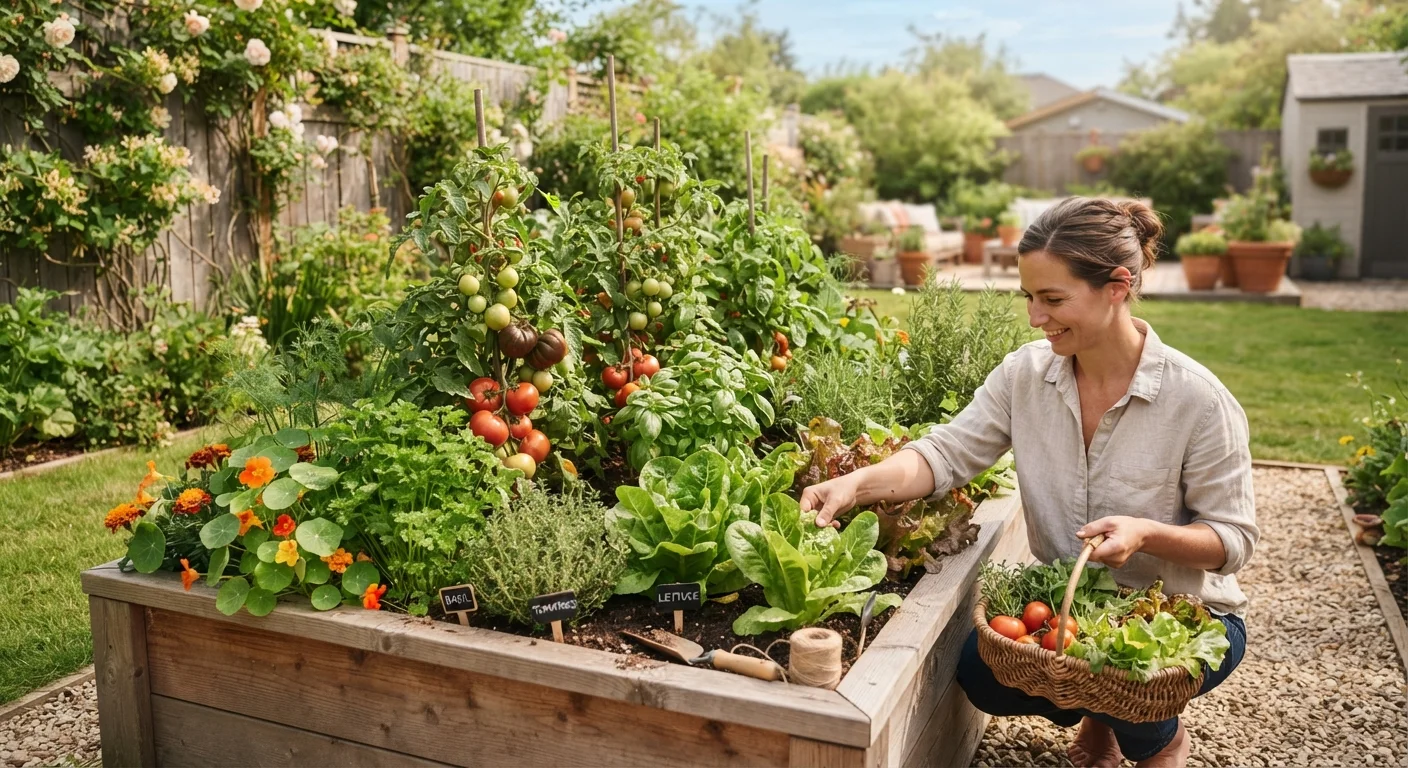
Photo credit: Glowwwatch.com
In this article
Home vegetable gardening has real rewards—and real demands. A balanced look at the time, cost, and learning curve involved before you dig in.
Key Takeaways
- Growing vegetables at home can reduce grocery costs, but startup expenses often offset savings in the first season.
- A successful vegetable garden requires consistent time and attention, especially during peak growing season.
- Even a small container garden can provide fresh produce and meaningful gardening experience.
- Soil quality, sunlight, and water access are the three factors that most determine whether a new garden succeeds.
- Starting small with easy crops lowers the risk of early frustration and wasted investment.
Fresh produce with superior flavor at peak ripeness
Homegrown vegetables are typically harvested at full ripeness, which commercial supply chains can't replicate. The difference in taste — especially for tomatoes, corn, and strawberries — is frequently cited by gardeners as their primary motivation.
Potential to reduce grocery spending over time
A productive vegetable garden can offset a meaningful portion of a household's produce costs, particularly for high-value items like herbs, salad greens, and cherry tomatoes. Savings tend to increase in subsequent seasons once startup costs are behind you.
Greater control over pesticides and growing practices
Home growers choose what goes on their plants and soil. For families concerned about chemical residues or who want to garden organically, this level of control is simply not available when purchasing from most commercial sources.
Mental health and stress-reduction benefits
Gardening has a well-established association with reduced stress and improved mood. Time spent outdoors tending plants offers a form of mindful, low-tech engagement that many people find genuinely restorative.
Educational value for children and adults alike
Growing food builds practical knowledge about biology, seasons, soil, and ecosystems. For households with children, a vegetable garden provides hands-on science that extends well beyond the garden bed.
Reduced food waste through harvest-on-demand growing
Picking only what you need, when you need it, means produce doesn't sit in a refrigerator drawer for a week before going bad. Herbs in particular are far more useful grown at home than bought by the bunch.
Startup costs can be significant in the first season
Tools, soil amendments, raised bed materials, seeds or transplants, and irrigation supplies can add up quickly. First-season costs often exceed the value of what's harvested, making year one an investment rather than a saving.
Consistent time commitment throughout the growing season
A vegetable garden isn't a set-and-forget project. Watering, weeding, pest monitoring, and harvesting require regular attention — often daily during summer months — which can be difficult to sustain for busy households.
Steep learning curve for beginners
Understanding soil health, plant spacing, companion planting, pest identification, and watering schedules takes time to develop. Most new gardeners experience at least some crop failures in their first season.
Space and sunlight requirements limit options
Most vegetables need a minimum of six hours of direct sunlight daily. Renters, apartment dwellers, and homeowners with heavily shaded yards may find their options genuinely limited without creative alternatives like container or balcony growing.
Pests, disease, and weather are unpredictable
Even experienced gardeners lose crops to unexpected frost, fungal disease, or insect damage. These variables are largely outside a gardener's control and can be discouraging when they strike early or repeatedly.
Produce gluts can be difficult to manage
Vegetable plants often produce heavily over a short window. Without a plan for preserving, sharing, or using surplus harvests, a successful crop can still result in significant waste.
Why So Many People Want to Grow Their Own Food
Home vegetable gardening has surged in popularity among US households over the past decade, and the motivations are understandable. People want fresher food, lower grocery bills, and a stronger connection to what they eat. The appeal is genuine — but so are the challenges. Before you buy seeds or break ground, it pays to weigh both sides of this decision honestly.
Whether you have a large backyard or a single sunny windowsill, the fundamentals of success are the same: good soil, adequate light, consistent watering, and a willingness to learn from setbacks. If you're brand new to all of this, our beginner's primer walks through how to plan your space and choose your first plants.
The Case For Growing Your Own Vegetables
There are tangible, well-documented reasons why vegetable gardening remains one of the most popular home hobbies in the country.
Fresh produce with superior flavor at peak ripeness
Homegrown vegetables are typically harvested at full ripeness, which commercial supply chains can't replicate. The difference in taste — especially for tomatoes, corn, and strawberries — is frequently cited by gardeners as their primary motivation.
Potential to reduce grocery spending over time
A productive vegetable garden can offset a meaningful portion of a household's produce costs, particularly for high-value items like herbs, salad greens, and cherry tomatoes. Savings tend to increase in subsequent seasons once startup costs are behind you.
Greater control over pesticides and growing practices
Home growers choose what goes on their plants and soil. For families concerned about chemical residues or who want to garden organically, this level of control is simply not available when purchasing from most commercial sources.
Mental health and stress-reduction benefits
Gardening has a well-established association with reduced stress and improved mood. Time spent outdoors tending plants offers a form of mindful, low-tech engagement that many people find genuinely restorative.
Educational value for children and adults alike
Growing food builds practical knowledge about biology, seasons, soil, and ecosystems. For households with children, a vegetable garden provides hands-on science that extends well beyond the garden bed.
Reduced food waste through harvest-on-demand growing
Picking only what you need, when you need it, means produce doesn't sit in a refrigerator drawer for a week before going bad. Herbs in particular are far more useful grown at home than bought by the bunch.
One underappreciated benefit is control over growing conditions. Store-bought produce is often harvested before peak ripeness to survive transport. A homegrown tomato picked at full ripeness has a flavor profile that's genuinely difficult to replicate. For many gardeners, that alone justifies the effort.
If you're weighing how to structure your growing space, understanding the differences between raised beds and in-ground planting is a useful early step — our raised beds vs. in-ground comparison covers the practical trade-offs.
The Case Against — Or at Least, the Honest Caveats
Vegetable gardening is often romanticized in ways that set beginners up for disappointment. Here's what the reality tends to look like in that first season.
Startup costs can be significant in the first season
Tools, soil amendments, raised bed materials, seeds or transplants, and irrigation supplies can add up quickly. First-season costs often exceed the value of what's harvested, making year one an investment rather than a saving.
Consistent time commitment throughout the growing season
A vegetable garden isn't a set-and-forget project. Watering, weeding, pest monitoring, and harvesting require regular attention — often daily during summer months — which can be difficult to sustain for busy households.
Steep learning curve for beginners
Understanding soil health, plant spacing, companion planting, pest identification, and watering schedules takes time to develop. Most new gardeners experience at least some crop failures in their first season.
Space and sunlight requirements limit options
Most vegetables need a minimum of six hours of direct sunlight daily. Renters, apartment dwellers, and homeowners with heavily shaded yards may find their options genuinely limited without creative alternatives like container or balcony growing.
Pests, disease, and weather are unpredictable
Even experienced gardeners lose crops to unexpected frost, fungal disease, or insect damage. These variables are largely outside a gardener's control and can be discouraging when they strike early or repeatedly.
Produce gluts can be difficult to manage
Vegetable plants often produce heavily over a short window. Without a plan for preserving, sharing, or using surplus harvests, a successful crop can still result in significant waste.
35%
US households that grow food at home
According to the National Gardening Association, approximately 35% of US households participate in food gardening, including vegetables, fruit, and herbs.
$70–$600+
Typical first-year garden startup cost range
Startup costs vary widely depending on plot size, materials chosen, and existing tools — a small container setup costs far less than a new in-ground or raised bed installation.
The time commitment is probably the most frequently underestimated factor. During peak summer growing season, a vegetable garden may need attention every single day — watering, checking for pests, harvesting before crops bolt or rot. Life happens, and a week of neglect can significantly damage a garden's output.
Soil is another common stumbling block. Many backyards have compacted, nutrient-poor, or pH-imbalanced soil that won't support productive vegetable growth without amendment. Our soil basics guide explains what healthy soil looks like and why it matters so much.
How to Set Yourself Up for a Realistic First Season
The biggest predictor of success for new vegetable gardeners isn't enthusiasm — it's scale. Starting with a small, well-planned plot dramatically reduces the chance of feeling overwhelmed.
A few practical starting principles:
- Choose forgiving crops first. Zucchini, bush beans, radishes, and lettuce are all relatively tolerant of beginner mistakes. Save tomatoes and peppers for once you have a season or two of experience.
- Plan before you plant. Assess sunlight hours, water access, and spacing requirements before a single seed goes in. Our garden planning checklist is a useful tool here.
- Decide between seeds and transplants. Transplants from a nursery cost more but give beginners a head start; seeds are economical but require more time and attention early on. See our seeds vs. transplants breakdown for help deciding.
- Don't believe every gardening tip you read. Many popular pieces of advice aren't well supported. Our garden myths article separates fact from folklore.
Starting Small Is a Strategy, Not a Compromise
Many experienced gardeners recommend beginning with just four to six square feet of growing space — enough to produce meaningful results without becoming overwhelming. A single raised bed or a few large containers gives you room to learn watering rhythms, spot pest problems early, and understand how your specific conditions affect growth. Expanding in year two, once you have a full season of experience, is almost always more effective than starting large and burning out.
If outdoor space is limited, container gardening is a genuinely viable alternative. Our container gardening guide covers everything from soil selection to seasonal care for pots and planters.

Author
Home & Garden Editorial Team
Home & Garden Editorial Team is the collective byline for our editorial team and contributor network. Articles published under this byline or an editorial pen name are researched, written, and reviewed according to our editorial standards for clarity, consistency, and independence before publication.
View all articles →