
Container Gardening: Growing Plants Almost Anywhere
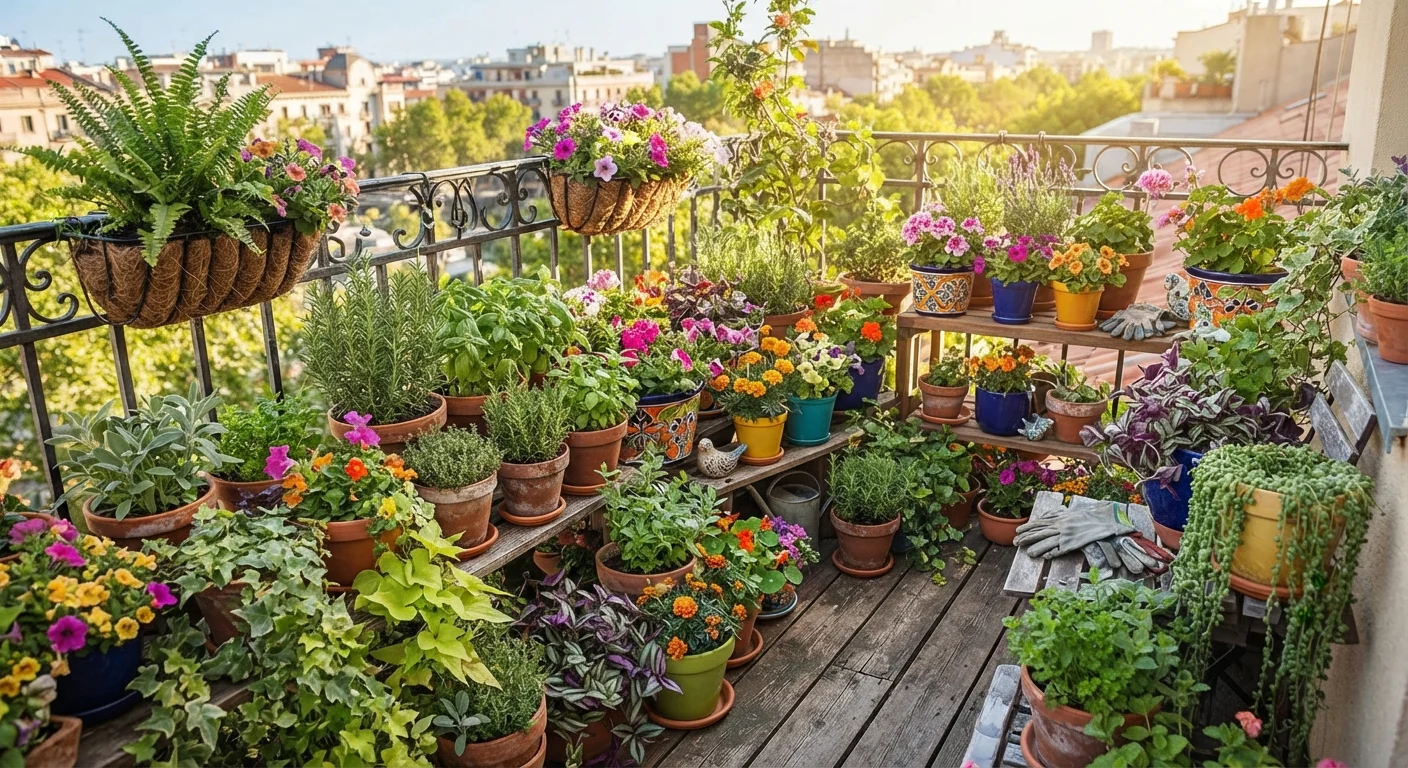
Photo credit: Glowwwatch.com
In this article
An end-to-end guide to growing plants in pots and containers—covering soil, drainage, plant selection, watering, and seasonal care.
Key Takeaways
- Drainage holes and quality potting mix are non-negotiable foundations for container success.
- Container size directly determines root health, watering frequency, and plant productivity.
- Most herbs, vegetables, and ornamentals can thrive in containers with the right setup.
- Containers dry out faster than garden beds, so consistent watering is essential.
- Seasonal adjustments—moving pots, refreshing soil—extend your plants' productive life.
Why Container Gardening Works
Container gardening is exactly what it sounds like: growing plants in pots, planters, window boxes, raised troughs, or any vessel that holds soil. What makes it genuinely practical for beginners is flexibility. You don't need a yard, perfect native soil, or a lot of space. A sunny balcony, a concrete patio, or even a well-lit windowsill can support a productive container garden.
Beyond accessibility, containers give you direct control over the growing environment. You choose the soil mix, manage drainage precisely, and move plants toward better light as needed. That control makes it easier to correct mistakes before they become fatal—a significant advantage when you're still learning.
Before planting anything, it helps to think through the basics. Our garden planning guide walks through assessing sunlight, water access, and spacing—all of which apply directly to container setups.
80%
US households with some outdoor space
According to the National Gardening Association, most US homes have at least a patio, balcony, or porch suitable for containers.
2–3×
Faster drying rate vs. garden beds
Container soil can dry out two to three times faster than in-ground beds due to limited volume and exposure, making consistent monitoring essential.
5 gallons
Minimum pot size for tomatoes
Extension programs across multiple US states recommend at least a 5-gallon container for tomatoes to support adequate root development and yield.
Choosing the Right Container
The container you choose affects root health, watering frequency, and how well plants can grow. The single most important feature is drainage holes. Without them, water pools at the bottom, oxygen is pushed out of the soil, and roots rot. No amount of careful watering compensates for a pot that can't drain.
Size matters almost as much. A pot that's too small restricts root growth and dries out within hours on a warm day. As a general guide:
- Herbs and small annuals: 6–8 inch diameter minimum
- Tomatoes and peppers: at least 5-gallon capacity (roughly 12 inches wide and deep)
- Shrubs or dwarf fruit trees: 15–25 gallon containers
Material also plays a role. Terracotta is porous and breathes well, which reduces overwatering risk—but it dries out quickly and can crack in freezing temperatures. Plastic retains moisture longer and is lightweight, making it practical for balconies. Fabric grow bags have become popular because their porous walls encourage healthy, air-pruned roots.
When sizing up, choose a pot roughly 2 inches wider in diameter than the plant's current root ball—jumping too far ahead in size can leave excess soggy soil around roots before the plant is ready to use it.
Oversized containers hold moisture that roots haven't yet reached, increasing rot risk, especially in cooler or shadier conditions.
Group containers together on hot days. Plants release moisture through their leaves, and clustered pots create a slightly more humid microclimate that reduces stress and watering demands.
This technique, sometimes called companion clustering, is used by experienced growers to reduce heat and evaporation stress without additional equipment.
Soil and Drainage: The Foundation of Success
Garden soil from your yard is not suitable for containers. It compacts under the weight of repeated watering, which suffocates roots and blocks drainage. Instead, use a potting mix (sometimes labeled as potting soil or container mix)—these are formulated to stay loose and drain well even after months of use.
Look for mixes that include perlite or coarse sand, which improve aeration. For vegetables and fruiting plants, a mix with added compost provides a nutritional head start. Speaking of compost, if you're interested in enriching your own soil over time, our guide to home composting explains how to get started affordably.
One persistent myth worth addressing: placing gravel or rocks at the bottom of a container to improve drainage actually does the opposite—it raises the water table inside the pot. The potting mix alone, combined with drainage holes, is the right approach. For a broader look at gardening misconceptions, see our article on garden myths that frustrate new growers.
Selecting Plants That Thrive in Pots
Almost any plant can grow in a container, but some adapt far more readily than others. For beginners, compact and forgiving varieties are the best starting point.
Edibles that do well in containers:
- Lettuce, spinach, and salad greens (shallow roots, fast harvest)
- Herbs: basil, mint, chives, parsley, thyme
- Cherry tomatoes and bush-type peppers (with adequate pot depth)
- Radishes and green onions
Ornamentals suited to containers:
- Petunias, marigolds, and impatiens for sun or shade
- Succulents for low-water situations
- Ferns and peace lilies for shaded indoor spots
If you're weighing whether to grow vegetables specifically, our balanced look at growing your own vegetables covers the realistic time and effort involved. And if you want resilient options that tolerate neglect, the plants that are hard to kill article is a practical starting list.
Watering and Feeding Your Containers
Overwatering is the most common cause of container plant death—but underwatering runs a close second. Containers lose moisture faster than garden beds because they have limited soil volume and often sit in sun-exposed spots. In warm weather, small pots may need watering daily.
The reliable test: push your finger about an inch into the soil. If it feels dry at that depth, water thoroughly until it drains freely from the bottom. If it still feels damp, wait. This simple check beats any watering schedule because it accounts for actual conditions rather than assumptions.
Container plants also exhaust their soil nutrients faster than in-ground plants, since regular watering flushes nutrients out through the drainage holes. A balanced, slow-release fertilizer applied at the start of the season, supplemented with a diluted liquid feed every few weeks during active growth, keeps most plants healthy. Always follow label directions—more is not better with fertilizer.
Self-Watering Containers Save Time
Self-watering pots have a built-in reservoir at the base that wicks moisture upward as the soil dries. They're particularly useful for edibles like lettuce and herbs that prefer consistent moisture. They don't eliminate the need for attention, but they add a useful buffer on busy days or during short trips away.
Seasonal Care and Troubleshooting
One underappreciated advantage of container gardening is the ability to adapt across seasons. As temperatures shift, you can move pots to follow optimal light, bring tender plants indoors before frost, or reposition heat-sensitive plants to shadier spots in midsummer.
At the end of each growing season, refresh your potting mix. After a full year, soil structure degrades and nutrients deplete. You don't need to replace it entirely—mixing in fresh compost or new potting mix restores texture and fertility. Replace the mix completely every two to three years, or if you notice persistent drainage problems or root-bound plants.
Common problems and their usual causes:
- Yellowing leaves: Often overwatering, poor drainage, or nitrogen deficiency
- Wilting despite moist soil: Root rot from standing water—check drainage holes
- Leggy, stretching stems: Insufficient light; move the container to a brighter location
- Crusty white deposits on soil or pot: Mineral buildup from tap water; flush the pot thoroughly or switch to collected rainwater
Container gardening rewards small, consistent habits over dramatic interventions. Check your plants regularly, respond to what you observe, and you'll find the learning curve flattens quickly.

Author
Home & Garden Editorial Team
Home & Garden Editorial Team is the collective byline for our editorial team and contributor network. Articles published under this byline or an editorial pen name are researched, written, and reviewed according to our editorial standards for clarity, consistency, and independence before publication.
View all articles →