
Starting a Garden From Zero: A Practical Primer for Complete Beginners
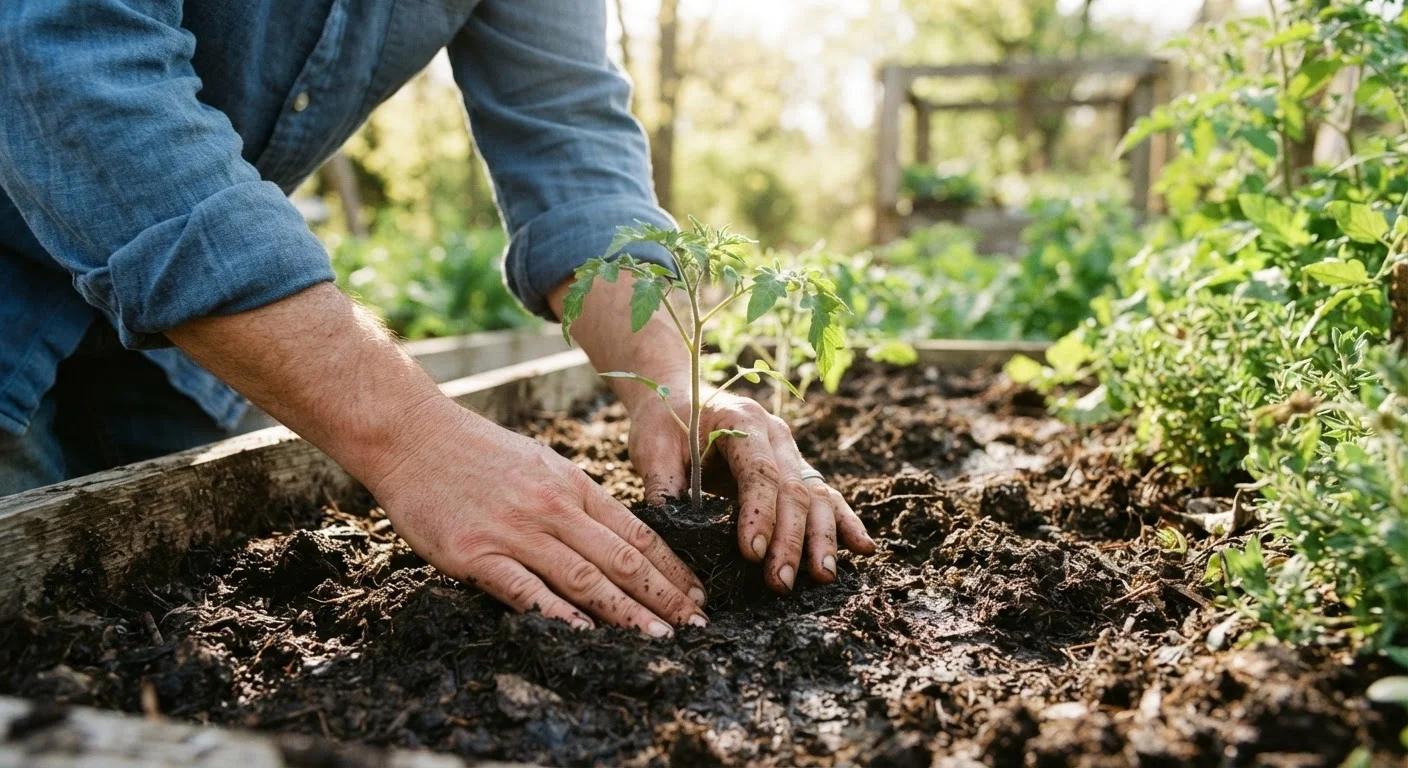
Photo credit: Glowwwatch.com
In this article
Never grown a thing? This straightforward intro covers planning your space, choosing plants, and understanding what every new gardener needs to know.
Key Takeaways
- Observing your space for sunlight and drainage before buying a single plant saves significant frustration later.
- Matching plants to your climate zone and local conditions is the single biggest factor in beginner success.
- Healthy soil is the foundation of every thriving garden — what's beneath the surface matters most.
- Starting with a small, manageable plot builds real skill faster than an ambitious first garden.
- Most beginner failures come from overwatering or choosing plants poorly suited to the site, not from lack of care.
Understanding Your Space Before You Plant Anything
The most consequential gardening decisions happen before you buy a single seed or bag of soil. Walking your yard — or balcony, or windowsill — with genuinely curious eyes tells you more than any gardening book can. What you're looking for is simple: sunlight, drainage, and access.
Track how sunlight moves across your intended garden area on a clear day. A spot that looks sunny at breakfast may be shaded by a fence or tree by early afternoon. In general, six or more hours of direct sun is considered full sun, three to six hours is partial shade, and fewer than three hours is full shade. Most food crops need full sun; many ornamentals thrive in shade. Matching the plant to the light is non-negotiable.
Next, check drainage after a rain. If water pools and sits for several hours, that soil is poorly drained — a condition that suffocates roots and invites disease. Raised beds or containers are a practical workaround if your ground drains slowly. For a closer look at what's actually happening underfoot, see our guide on what's in your garden soil and why it matters.
Full sun
A growing condition where a plant receives six or more hours of direct sunlight per day. Most vegetable crops require full sun to produce well.
Hardiness zone
A geographic designation based on average minimum winter temperatures that indicates which plants can survive year-round in a given area. The USDA publishes a standard zone map for the US.
Drainage
How quickly water moves through and away from soil. Poor drainage means water sits too long around roots, which can cause rot and disease.
Organic matter
Decomposed plant and animal material mixed into soil. It improves soil structure, retains moisture, and slowly releases nutrients that plants need.
Transplant
A young plant started from seed elsewhere (usually a greenhouse) and sold ready to be placed directly into your garden. Transplants skip the most fragile early growth stage.
Raised bed
A contained garden plot built above ground level and filled with chosen soil. It gives gardeners direct control over soil quality and drainage.
Choosing the Right Plants for Where You Are
Beginners often choose plants based on what they want to eat or what looks appealing at the nursery. That's a fine starting point — but it needs one important filter: your local climate and conditions.
The USDA Plant Hardiness Zone is the standard reference for understanding which plants can survive your winters. You can look up your zone by ZIP code on the USDA website. Beyond winter hardiness, consider your summer heat, humidity, and the length of your growing season. A tomato variety bred for a long, hot summer will underperform in a short, cool one.
For beginners especially, choosing plants that forgive minor mistakes makes an enormous difference in early motivation. Our article on genuinely hard-to-kill plants for first-time gardeners lists specific varieties with context on what makes each forgiving. Also worth reading before you commit: the real trade-offs of growing your own vegetables gives an honest look at the time and effort involved.
Buy Plants Suited to Your Zone First
When browsing a nursery or seed catalog, look for varieties described as suited to your specific USDA hardiness zone or growing region. Plants selected this way require less intervention and are far more likely to thrive with ordinary care. Resist the temptation to try challenging varieties in your very first season — build baseline skills first, then experiment.
What Your Plants Actually Need to Survive
Every plant needs the same four things: light, water, nutrients, and adequate soil. Getting these roughly right matters far more than any gardening gadget or technique.
Light you've already assessed. Water is where most beginners go wrong — more plants die from overwatering than from drought. Water deeply and less frequently to encourage roots to grow downward. Shallow daily watering keeps roots near the surface, where they're vulnerable to heat and drought stress.
Nutrients come primarily from your soil. Healthy soil teeming with organic matter feeds plants steadily over time. If your soil is poor — thin, sandy, or dense clay — adding compost is the most reliable improvement. You can make your own; our guide on composting at home explains how to turn kitchen scraps into a genuinely useful soil amendment.
One caution: popular internet advice on gardening is inconsistent in quality. Before acting on a tip you've seen shared widely, it's worth verifying it. Our article on garden myths that keep new growers frustrated separates evidence-based practice from folklore.
Starting Small and Building Confidence
The single most consistent mistake new gardeners make is starting too large. An ambitious first garden — a dozen vegetable varieties, several garden beds, a herb spiral — quickly becomes overwhelming. Weeding, watering, pest monitoring, and harvesting all take time, and that time compounds with scale.
A four-by-four-foot raised bed, or three to five containers on a patio, is a genuinely sufficient first garden. It's large enough to yield results but manageable enough to maintain without burning out. If your space is limited, container gardening is a complete and valid approach — not a compromise. Our guide to container gardening covers everything from soil selection to seasonal care.
Expect some plants to fail. A seedling that doesn't make it is information, not defeat — it tells you something about your soil, your watering habits, or your plant choice. Keep brief notes on what you planted, where, and how it performed. That record becomes your most useful gardening tool by year two.
Gardening rewards patience and observation more than effort alone. The skills you build in a small first garden transfer directly to larger, more ambitious projects in seasons ahead.
Frequently Asked Questions

Author
Home & Garden Editorial Team
Home & Garden Editorial Team is the collective byline for our editorial team and contributor network. Articles published under this byline or an editorial pen name are researched, written, and reviewed according to our editorial standards for clarity, consistency, and independence before publication.
View all articles →