
Soil 101: What's Actually in Your Garden Bed and Why It Matters
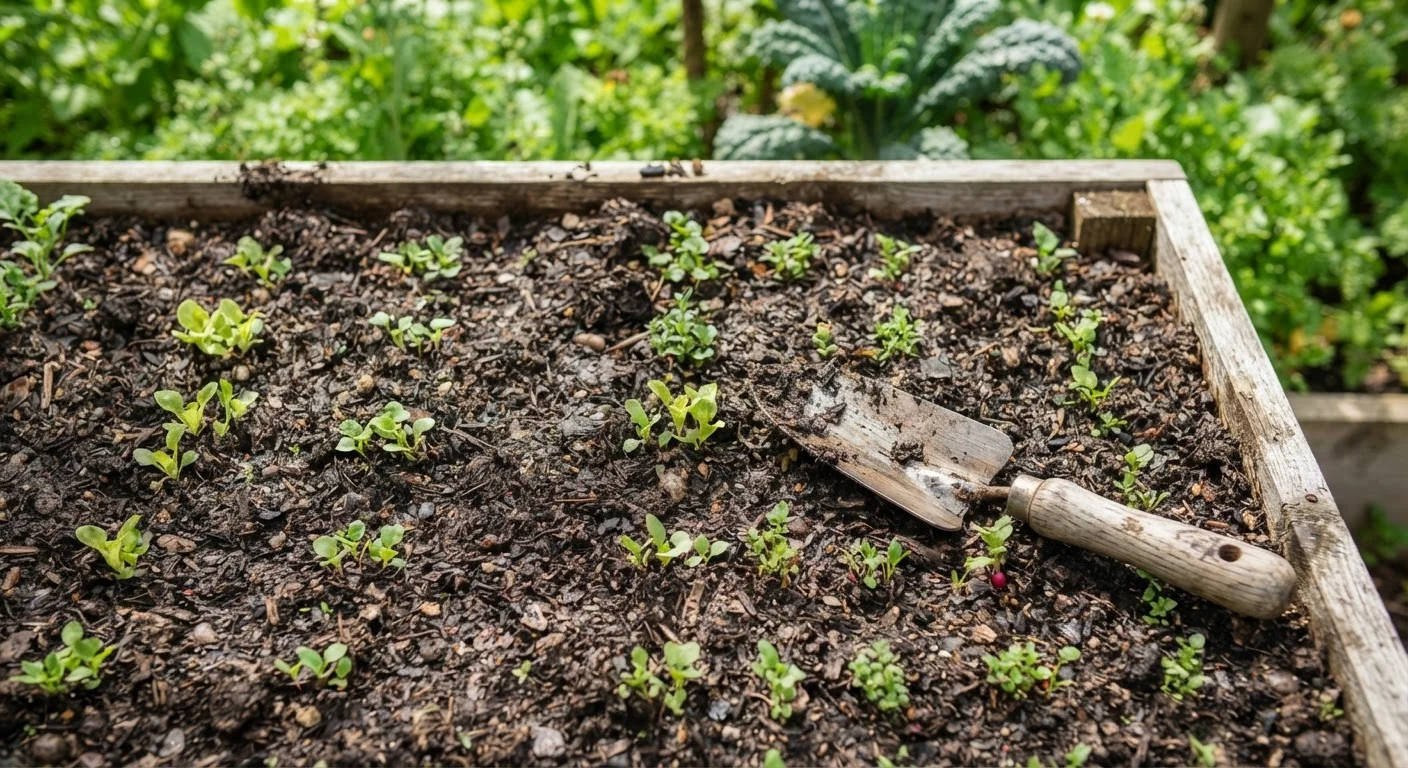
Photo credit: Glowwwatch.com
In this article
Understand the components of healthy garden soil—texture, pH, and organic matter—and why they determine whether your plants thrive or struggle.
Key Takeaways
- Healthy soil contains four main components: minerals, organic matter, water, and air.
- Soil texture — the balance of sand, silt, and clay — controls drainage and root penetration.
- Soil pH affects whether plants can absorb nutrients already present in the ground.
- Organic matter is the single most impactful factor home gardeners can improve.
- A simple home soil test can reveal pH and nutrient levels before you plant anything.
- Most garden problems blamed on plants are actually rooted in poor soil conditions.
The Four Building Blocks of Soil
When you dig into a garden bed, you're looking at one of the most complex ecosystems on Earth compressed into a few inches of ground. Garden soil is made up of four essential components: mineral particles, organic matter, water, and air. Every plant problem you're likely to encounter — yellowing leaves, stunted growth, root rot — can often be traced back to an imbalance in one of these four elements.
Mineral particles form the physical skeleton of soil. They come in three sizes: sand (the largest), silt (medium), and clay (the finest). Sand drains quickly but holds few nutrients. Clay retains moisture and nutrients well but compacts easily and drains poorly. Silt falls in between. The ideal garden soil — called loam — contains a balanced ratio of all three, giving you the best of drainage, aeration, and nutrient retention.
Organic matter — decomposed plant and animal material — acts as the great equalizer. It improves drainage in clay soils and helps sandy soils retain moisture. It also feeds the microbes, fungi, and earthworms that keep soil biologically active. Even in small amounts, organic matter has an outsized effect on plant health.
Water and air fill the spaces between particles, called pore spaces. Roots need both: water carries dissolved nutrients, while oxygen supports root respiration. Compacted soil collapses these pore spaces, starving roots of air even when moisture is adequate. If you've wondered why some garden areas always seem to underperform, compaction is often the invisible culprit.
~45%
Mineral content in typical healthy soil
According to USDA soil science resources, roughly 45% of ideal garden soil is composed of mineral particles by volume.
5%
Organic matter in healthy garden soil
Soil scientists generally consider around 5% organic matter by volume a marker of good soil health, though many garden soils fall well below this.
1 billion+
Microorganisms per teaspoon of healthy soil
USDA estimates suggest a single teaspoon of productive soil can contain more than one billion bacteria and thousands of fungal species.
Soil Texture and Why It Shapes Your Garden
Texture is the term for the proportion of sand, silt, and clay in your soil, and it has downstream effects on almost everything — watering frequency, fertilizer needs, and which plants will naturally thrive. The good news is that a simple squeeze test at home gives you a reasonable starting point.
Take a moist handful of soil and squeeze it firmly. If it crumbles readily when you open your hand, it's likely sandy. If it holds a firm ribbon that feels slick, it's clay-dominant. Soil that forms a shape but breaks apart with gentle pressure is closer to a loamy balance — the sweet spot most gardeners aim for.
Understanding your soil's texture helps you make smarter decisions before you plant anything. Sandy soils will need more frequent watering and benefit from added organic matter to improve water retention. Clay soils may need amendment with compost to open up their structure. If you're weighing different growing setups, our guide on raised beds vs. in-ground planting walks through how each approach gives you different levels of control over soil texture from the start.
Do a Simple Soil Test Before You Plant
Before buying amendments or fertilizers, invest in a basic soil test. Many cooperative extension offices affiliated with land-grant universities offer low-cost testing that tells you pH and key nutrient levels. The results will show you exactly what your soil needs — and what it doesn't — so you avoid guesswork and unnecessary expense.
Soil pH: The Invisible Factor Behind Nutrient Availability
pH measures how acidic or alkaline your soil is on a scale from 0 to 14, with 7 being neutral. Most garden plants perform best in slightly acidic to neutral soil, roughly between 6.0 and 7.0. Outside that range, nutrients can become chemically locked in the soil — physically present but unavailable to plant roots. A fertilized plant in the wrong pH range may still struggle, because it simply can't access what's there.
Common signs of a pH problem include yellowing between leaf veins (a symptom called chlorosis), poor flowering, and slow growth despite adequate water and fertilizer. Before assuming your soil is nutrient-poor, test the pH first. Inexpensive test kits are widely available, or you can send a sample to your local cooperative extension office for a more detailed analysis.
If your soil is too acidic, ground limestone is a commonly used amendment to raise pH over time. If it's too alkaline, elemental sulfur is often recommended to bring it down. Both are gradual processes — pH correction typically takes a full growing season or more to fully take effect. It's worth starting with accurate data before making changes, as overcorrecting can create new problems. For gardeners building a new space, our pre-planting planning checklist includes soil assessment as one of the first steps.
Improving Your Soil: Where to Start
The most effective single thing most home gardeners can do is add compost. Finished compost — made from decomposed plant scraps, leaves, and other organic material — improves texture in nearly any soil type, raises organic matter content, and feeds beneficial soil life. A 1–2 inch layer worked into the top several inches of your garden bed each season makes a measurable difference over time.
Beyond compost, mulching your garden surface provides complementary benefits. A layer of organic mulch — wood chips, straw, or shredded leaves — slows evaporation, moderates soil temperature, and slowly breaks down to add more organic matter. Our article on mulching and its season-long benefits covers the right materials and depth for best results.
Avoid walking on garden beds when possible, as foot traffic compacts soil and collapses the air pockets roots depend on. If your garden beds are large, plan stepping stone paths or designated walking areas to protect the soil structure you're working to build. Soil improvement is a long game — the garden you tend this season will be easier to grow in next year if you make the soil your first priority. For a broader starting point, see our complete beginner's garden primer for guidance on the full picture of getting started.
Frequently Asked Questions

Author
Home & Garden Editorial Team
Home & Garden Editorial Team is the collective byline for our editorial team and contributor network. Articles published under this byline or an editorial pen name are researched, written, and reviewed according to our editorial standards for clarity, consistency, and independence before publication.
View all articles →