
Garden Myths That Keep New Growers Frustrated
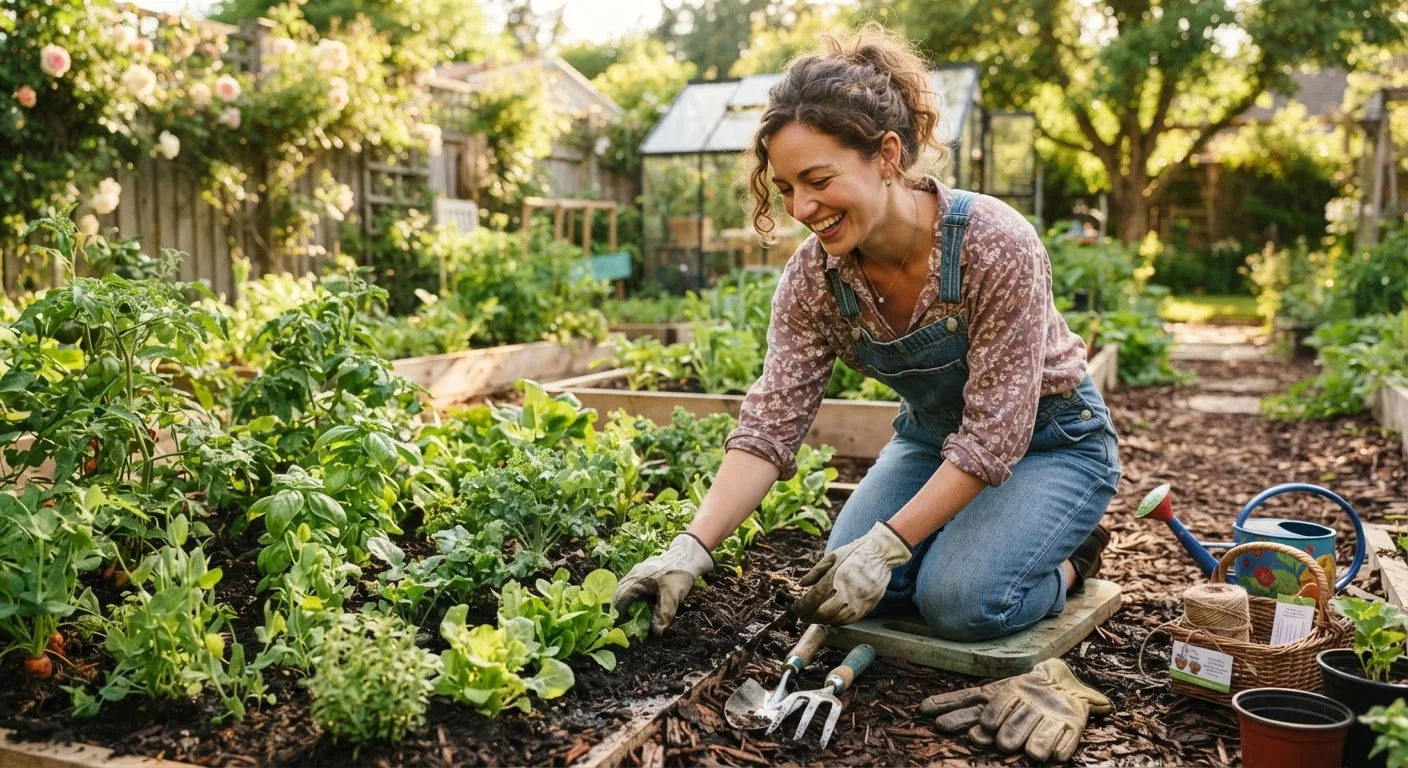
Photo credit: Glowwwatch.com
From coffee grounds to eggshells, many popular gardening tips aren't backed by evidence. Here's what the science and experience actually say.
Key Takeaways
- Coffee grounds and eggshells rarely deliver the soil benefits most growers expect.
- Overwatering kills far more plants than underwatering — less is often more.
- Organic fertilizers still require careful use; 'natural' does not mean risk-free.
- Sandy soil does not automatically mean better drainage in all situations.
- Full sun does not mean more sun is always better — plant labels matter.
Why Garden Myths Spread So Easily
Gardening advice travels fast — through social media, neighborhood conversations, and decades-old books that haven't been updated since. When a tip sounds logical or comes from someone with a flourishing yard, it's easy to accept it without question. The trouble is that gardening myths can quietly undermine your efforts, leaving you puzzled about why your plants aren't responding the way you expected.
If you're just getting started, our practical primer for complete beginners is a good foundation to build on before separating fact from fiction. Below, we tackle the most persistent myths new growers encounter — and explain what the evidence and hands-on experience actually support.
Myth
Adding coffee grounds directly to soil makes it more acidic and feeds acid-loving plants.
Fact
Used coffee grounds are close to pH-neutral and don't reliably acidify garden soil.
This myth likely started because coffee itself is acidic, but the brewing process removes most of that acidity. Research from extension horticulturists has found that used coffee grounds typically register between pH 6.5 and 6.8 — nearly neutral. Spreading them thickly can also mat together, creating a crust that repels water. Used in moderation as part of a compost pile, they do add organic matter, but they won't meaningfully shift your soil's pH. For plants that genuinely need acidic conditions, a soil test followed by targeted amendments is a more reliable approach. See how to compost kitchen scraps effectively for guidance on using grounds well.
Myth
Eggshells crushed into soil quickly supply calcium and prevent problems like blossom-end rot in tomatoes.
Fact
Eggshells decompose very slowly in garden soil and are unlikely to release meaningful calcium in a single growing season.
Eggshells are largely calcium carbonate — a real nutrient source in principle. The problem is breakdown rate. Studies have shown that whole or coarsely crushed eggshells can persist in soil for years without fully releasing their calcium. Blossom-end rot in tomatoes is often tied less to an absolute lack of calcium in the soil and more to inconsistent watering that prevents plants from absorbing available calcium. Addressing irrigation consistency is usually the more effective fix. If a soil test confirms genuine calcium deficiency, agricultural lime or gypsum are faster-acting and more predictable options.
Myth
More fertilizer means faster, healthier growth — so doubling the dose speeds things up.
Fact
Excess fertilizer, including organic types, can burn roots, disrupt soil biology, and create runoff that harms the surrounding environment.
Fertilizer overuse is one of the most common and costly beginner mistakes. Nitrogen excess in particular can push lush leafy growth at the expense of flowers and fruit, while high salt concentrations from synthetic fertilizers draw moisture out of roots — a condition called fertilizer burn. Even organic fertilizers aren't immune: blood meal, for example, can still over-apply nitrogen if used without following label guidance. The phrase 'more is better' simply doesn't apply here. Always start with a soil test to understand what's actually missing before adding anything.
Myth
Gravel or rocks at the bottom of a container improve drainage.
Fact
A gravel layer at the base of a pot actually raises the water table inside the container, keeping roots wetter — not drier.
This widely repeated tip runs counter to basic soil physics. Water moving through soil doesn't flow freely into coarser material below — it first saturates the finer growing medium above. A layer of gravel effectively creates a perched water table, meaning the bottom of your soil mix stays soggy longer. Research published by university extension programs consistently confirms this. The real fix for drainage is using a well-structured potting mix suited to your plants, ensuring the pot has adequate drainage holes, and not sitting containers in standing water. Our container gardening guide covers this in detail.
Myth
Plants in full sun always grow bigger and faster, so more direct sunlight is always better.
Fact
Light requirements vary widely by species; too much direct sun can scorch foliage, stress plants, and reduce yields in shade-preferring varieties.
'Full sun' on a plant label typically means at least six hours of direct light per day — it's a minimum threshold, not a directive to maximize exposure. Many vegetables and flowering plants perform well in partial shade and may actually struggle in intense afternoon sun during summer heat. Leafy greens like lettuce and spinach often bolt (flower prematurely) when exposed to too much heat and light. Matching a plant's stated light requirements to your actual garden conditions is one of the most reliable ways to set it up for success. For lower-maintenance options suited to varying light levels, see plants that are genuinely hard to kill.
Myth
Watering plants a little every day keeps them healthier than less frequent, deeper watering.
Fact
Frequent shallow watering encourages surface-level roots and can lead to overwatering, one of the leading causes of plant death for beginners.
Daily light watering rarely penetrates to the root zone where plants actually take up moisture. Instead, it keeps the top inch or two of soil damp, encouraging roots to stay near the surface where they're more vulnerable to heat and drought stress. Deeper, less frequent watering — allowing the top inch or two to dry between sessions — encourages roots to grow downward, improving both drought resilience and overall plant stability. The right frequency depends on your soil type, climate, and the specific plant, but the general principle holds across most garden situations.
Rethinking What 'Good Gardening' Really Means
A major source of new-grower frustration is the idea that gardening success depends on mastering a long list of clever tricks. In reality, plants need relatively few things done well: appropriate light, consistent but not excessive moisture, decent soil, and nutrients in the right amounts at the right time. Understanding why each element matters is far more useful than memorizing tips.
~90%
Of plant failures linked to watering errors
Horticulture educators commonly estimate that the vast majority of houseplant and garden plant failures are related to improper watering, most often overwatering rather than drought.
6.0–7.0
Ideal soil pH range for most vegetables
Most cooperative extension services recommend a soil pH between 6.0 and 7.0 for the widest range of vegetable crops, as nutrients become most available in this range.
Soil quality is where most beginner gardens either succeed or stall. If you'd like a deeper understanding of what's happening beneath the surface, Soil 101 walks through pH, texture, and organic matter in plain terms. And if watering habits have been a struggle, why watering more doesn't mean growing more explains exactly how overwatering damages roots before problems become visible above ground.
Letting go of unverified tips isn't about dismissing tradition — it's about making room for approaches that genuinely work. Start simple, observe your plants closely, and adjust based on what you actually see rather than what a myth promises.
Don't Skip the Soil Test
Adding amendments — whether lime, sulfur, fertilizer, or compost — without knowing your starting point can create imbalances that are harder to correct than the original problem. Basic soil test kits are available through many cooperative extension offices and garden centers. Testing before you amend is one of the most practical habits you can build as a new grower.

Author
Home & Garden Editorial Team
Home & Garden Editorial Team is the collective byline for our editorial team and contributor network. Articles published under this byline or an editorial pen name are researched, written, and reviewed according to our editorial standards for clarity, consistency, and independence before publication.
View all articles →