
Seeds vs. Transplants: Which Starting Method Actually Works Better?
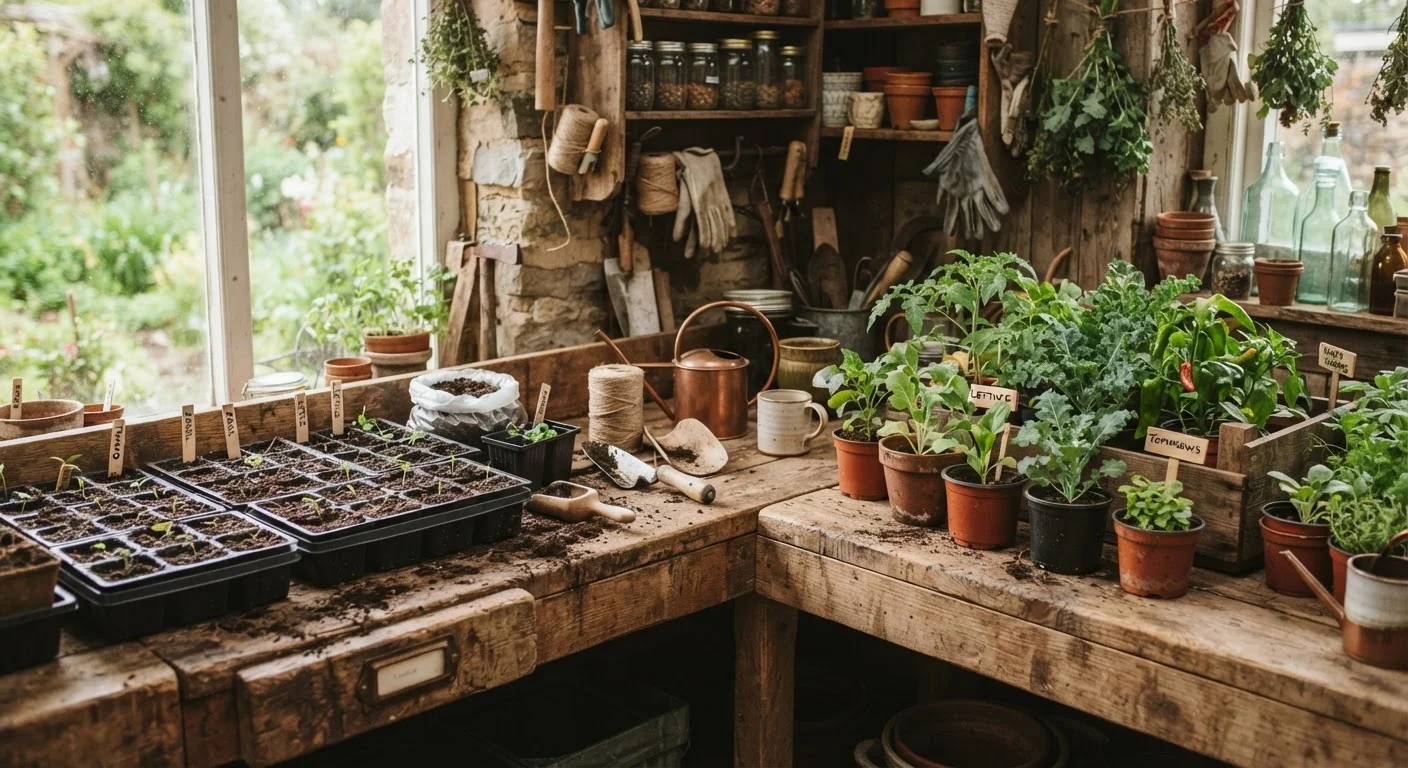
Photo credit: Glowwwatch.com
In this article
Weigh the trade-offs between starting plants from seed and buying transplants so you can choose the right approach for your garden and schedule.
Key Takeaways
- Seeds offer far more variety options and cost significantly less per plant than transplants.
- Transplants give beginners a head start, reducing the risk of early-season failure.
- Some vegetables — like carrots and beans — almost always perform better direct-sown from seed.
- Your available time, indoor light setup, and local frost dates should guide your choice.
- Many experienced gardeners use both methods depending on the crop and season.
Why Your Starting Method Matters More Than You Think
For new gardeners, the choice between seeds and transplants might feel like a minor detail. In practice, it shapes your timeline, your budget, your plant variety options, and frankly, how much frustration you experience in your first season. If you're planning your first garden, this decision is worth thinking through before you buy anything.
Neither method is universally superior. Each suits different crops, different gardeners, and different situations. Understanding the genuine trade-offs helps you match the right approach to each plant you want to grow — and avoid the common mistake of forcing the wrong method on a crop that won't respond well to it.
| Criterion | Starting from Seed | Buying Transplants |
|---|---|---|
| Cost per plant | Very low | Moderate to high |
| Variety selection | Extensive | Limited to local stock |
| Time investment | High (weeks of indoor care) | Low (plant-ready) |
| Equipment needed | Trays, grow lights, heat mats | None beyond basic tools |
| Best for beginners | Moderate learning curve | Easiest starting point |
| Root-sensitive crops | Direct-sow works well | Not suitable |
| Long-season crops | Requires early indoor setup | Convenient and reliable |
The Real Case for Starting from Seed
Seeds give you access to a level of plant diversity that transplant displays at garden centers simply can't match. Seed catalogs stock hundreds of tomato varieties alone — from compact paste types to sprawling heirlooms — compared to the handful of common cultivars typically sold as transplants in spring.
Cost is another meaningful factor. A packet of seeds producing 30–50 plants costs a fraction of buying those plants individually. For gardeners filling a large bed or growing staples like lettuce, kale, or cucumbers, the savings add up quickly.
That said, seed starting requires lead time and the right setup. Most warm-season vegetables need to be started indoors 6–10 weeks before the last expected frost in your area — and they need adequate light to avoid becoming leggy and weak. A bright south-facing window sometimes suffices, but supplemental grow lights are often necessary for sturdy seedlings.
6–10 weeks
Indoor head start needed for warm-season crops
Most tomatoes, peppers, and eggplant require this lead time before the last expected frost to be ready for outdoor planting.
Hundreds
Tomato varieties available by seed
Major seed catalogs routinely list 200–400 tomato varieties, compared to the small number typically stocked as transplants at local retailers.
30–50 plants
Typical yield from one seed packet
A single packet of vegetable seeds can germinate dozens of plants, making seed starting highly economical for larger garden plots.
Direct sowing — planting seeds straight into garden beds — is a different scenario. Crops like carrots, radishes, beets, peas, and beans strongly prefer this approach. Their roots are sensitive to disturbance, and transplanting them often results in forked roots, stunted growth, or plants that simply fail to establish. For these vegetables, direct sowing isn't just an option — it's the recommended approach.
When Buying Transplants Is the Smarter Move
Transplants — the young plants sold in plastic cell packs or small pots at nurseries and garden centers each spring — represent weeks of growth someone else has already managed for you. For crops that need a long indoor head start (tomatoes, peppers, and eggplant are classic examples), this matters enormously in short-season climates.
For beginners especially, transplants serve as a confidence bridge. Germination failure, damping off (a fungal condition that kills seedlings at the soil line), and insufficient light are common early stumbling blocks when starting from seed. Transplants skip past all of that, letting new gardeners focus on the more immediately visible skills: planting depth, watering, fertilizing, and observing how plants respond to their environment.
The trade-offs are real, though. Transplant selection is limited to what local suppliers choose to stock — typically the most popular varieties, not the most interesting ones. Per-plant cost is also higher, which becomes significant when you're filling a large space. And transplants from busy garden centers can sometimes be root-bound or stressed if they've sat in small containers too long, so it's worth inspecting them before purchase.
If you're weighing the broader economics of home gardening, our look at the costs and rewards of growing your own vegetables offers useful context for thinking through where your gardening time and money are best spent.
Check Transplant Root Health Before Buying
Gently tip a transplant out of its cell to inspect the roots before purchasing. White, firm roots with some growing room are a good sign. Tightly coiled brown roots filling every inch of the container indicate a root-bound plant that may struggle to establish. A slightly underdeveloped transplant with healthy roots will often outperform an overgrown, stressed one once it's in the ground.
How to Decide — And Why Most Gardeners Use Both
The most practical approach for most gardeners isn't choosing one method exclusively — it's matching the method to the crop. A workable rule of thumb: buy transplants for long-season crops that need a big head start (tomatoes, peppers, broccoli, cauliflower), and direct-sow fast-growing or root-sensitive crops (beans, carrots, squash, peas, lettuce).
Your local frost dates are a key reference point. Most cooperative extension services publish planting calendars by region that tell you exactly when to start seeds indoors and when it's safe to transplant or direct-sow outdoors. These resources are freely available and are far more reliable than generalized advice that ignores your specific climate.
It's also worth noting that several common gardening beliefs don't hold up to scrutiny — including the idea that transplants always outperform seeds or that seed starting is inherently difficult. With the right setup and realistic expectations, either method can produce excellent results. And if you're also thinking about where your plants will grow, comparing raised beds and in-ground planting is a natural next step in planning your garden layout.

Author
Home & Garden Editorial Team
Home & Garden Editorial Team is the collective byline for our editorial team and contributor network. Articles published under this byline or an editorial pen name are researched, written, and reviewed according to our editorial standards for clarity, consistency, and independence before publication.
View all articles →