
Before You Pull Out of the Driveway: A Pre-Trip Safety Checklist
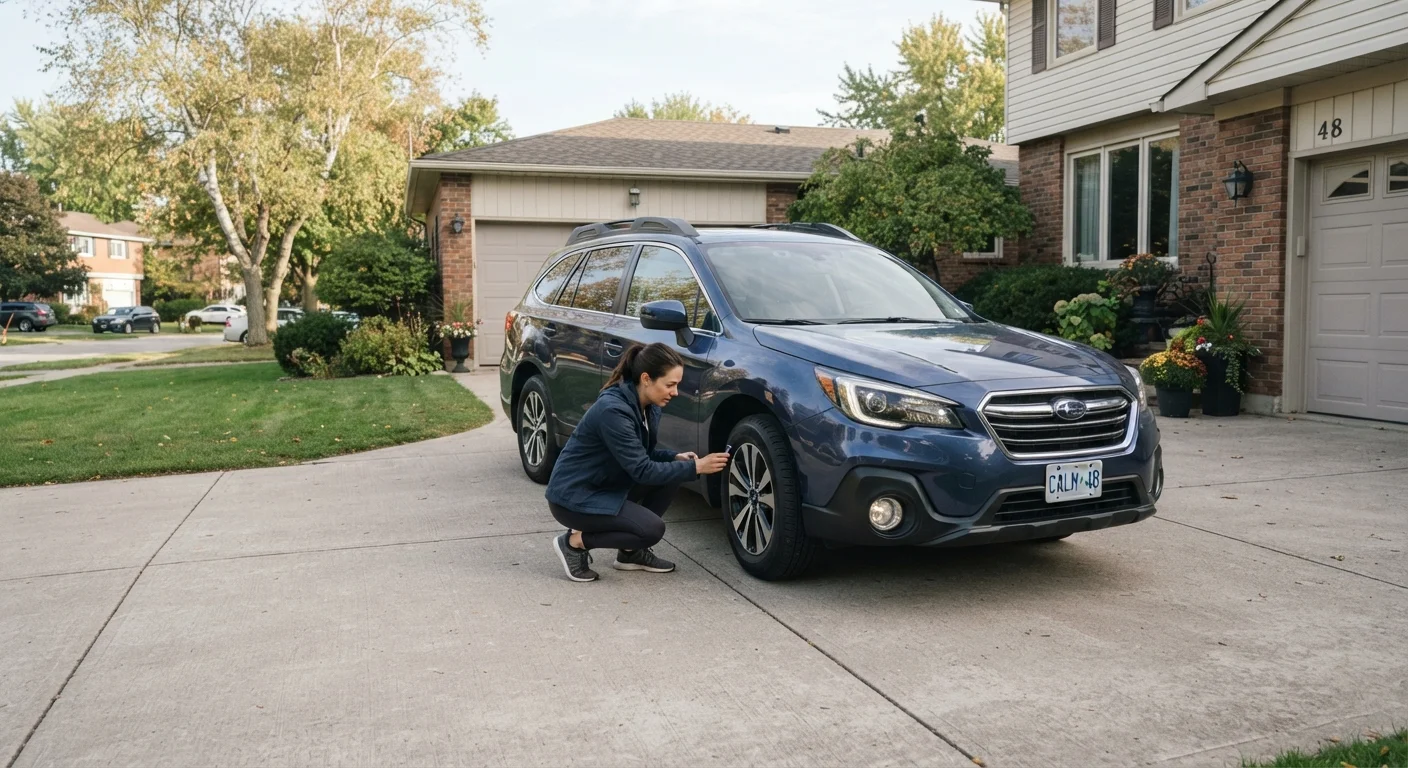
Photo credit: Glowwwatch.com
In this article
A practical checklist covering mirrors, tire pressure, lights, and visibility checks every driver should run before any journey.
Key Takeaways
- Most pre-trip checks take under five minutes and require no tools.
- Tire pressure and tread condition are among the most commonly overlooked safety factors.
- All lights — including brake and reverse lights — should be verified before any trip.
- Mirror adjustment and seatbelt checks should happen before the engine starts.
- Dashboard warning lights should never be ignored before pulling away.
- Visibility — windows, wipers, and mirrors — directly affects your ability to respond to hazards.
Why a Pre-Trip Check Is Worth Two Minutes of Your Time
Most vehicle incidents don't happen because drivers were reckless — they happen because something was slightly off and nobody noticed until it was too late. A tire slowly losing pressure, a cracked wiper blade, a blind spot not accounted for in the mirrors: these are the kinds of small failures that a quick pre-trip check catches before they become a roadside emergency.
This checklist is designed for everyday drivers, not mechanics. You don't need any tools for most of these items — just your eyes, your hands, and about five to ten minutes. Run through it before any trip, whether you're heading across town or across the state.
For a deeper look at what a more thorough vehicle inspection involves, see what a pre-trip vehicle check actually covers. And if you're planning a longer drive, preparing your car for a long road trip covers additional steps specific to extended travel.
Exterior Walk-Around
Visibility and Glass
Interior and Controls
Dashboard and Systems Check
What to Bring With You — Tools and Documents
You won't need much to run through this checklist, but a couple of items make it easier and more complete.
Tire pressure gauge
Used to measure actual PSI in each tire so you can compare it against the manufacturer's recommended pressure.
Penny (for tread check)
A quick, no-cost method for checking whether tire tread depth has worn past a safe threshold.
Microfiber cloth or window scraper
Useful for clearing condensation, frost, or debris from windows and mirrors before driving.
Flashlight or phone torch
Helpful when doing a pre-trip check in low light, such as early morning departures or in a dim garage.
While you're at it, make sure your glove box is in order. The documents every driver should keep in their glove box walks through exactly what should be there and why each one matters.
Never Drive With an Active Warning Light
If a warning light remains on after your engine starts — especially one related to oil pressure, engine temperature, or brakes — do not assume it's safe to drive and check it later. Some warning conditions can cause rapid mechanical failure or dangerous handling changes. Pull up your owner's manual or consult a qualified mechanic before proceeding.
Before You Start the Engine
Several of the most important checks happen before the car is even running. These take less than two minutes and address the factors most likely to catch a driver off guard once they're already moving.
Adjust all mirrors before you move the seat. Once you're seated in your normal driving position, check that your side mirrors eliminate as much blind spot as possible and that the rearview mirror gives you a full view of the rear window. If someone else drives your car regularly, never assume the mirrors are set for you.
Dashboard warning lights deserve a quick scan the moment you turn the ignition to the "on" position, before the engine fires. If a light stays on after startup, don't assume it will sort itself out. Warning lights on your dashboard and what they're telling you explains what the most common indicators mean and when you need to act quickly.
Also take stock of how you're feeling. Drowsy driving is a genuine hazard — one that even experienced drivers underestimate. If you're tired, driver fatigue warning signs is worth a read before you put the car in gear.
Tire Pressure Is the Most Commonly Ignored Safety Check
Underinflated tires handle poorly, wear unevenly, reduce fuel efficiency, and are significantly more likely to fail at highway speeds. Tire pressure drops naturally over time and with temperature changes — a tire can lose roughly one PSI for every 10°F drop in outside temperature. Check pressure when tires are cold (the car has been parked for at least three hours) for the most accurate reading.
Building the Habit Over Time
The goal isn't to turn every departure into a production — it's to build a routine that becomes second nature. After a week or two of deliberate checks, most drivers find that they naturally start noticing things like tire appearance and wiper condition as part of getting into the car.
New drivers in particular benefit from starting with structured habits early. Road safety from day one offers a broader foundation for safe driving habits, including the mindset that makes checklists like this one stick. And once you're on the road, safe driving on the road covers defensive techniques, traffic laws, and how to handle challenging conditions.
Consistent pre-trip checks are also one of the better arguments for staying on top of routine car maintenance. When your vehicle is properly maintained, the daily walk-around tends to go smoothly — and any changes you spot are much easier to put in context.

Author
Autos Editorial Team
Autos Editorial Team is the collective byline for our editorial team and contributor network. Articles published under this byline or an editorial pen name are researched, written, and reviewed according to our editorial standards for clarity, consistency, and independence before publication.
View all articles →