
Routine Car Maintenance: What Gets Checked and Why It Matters
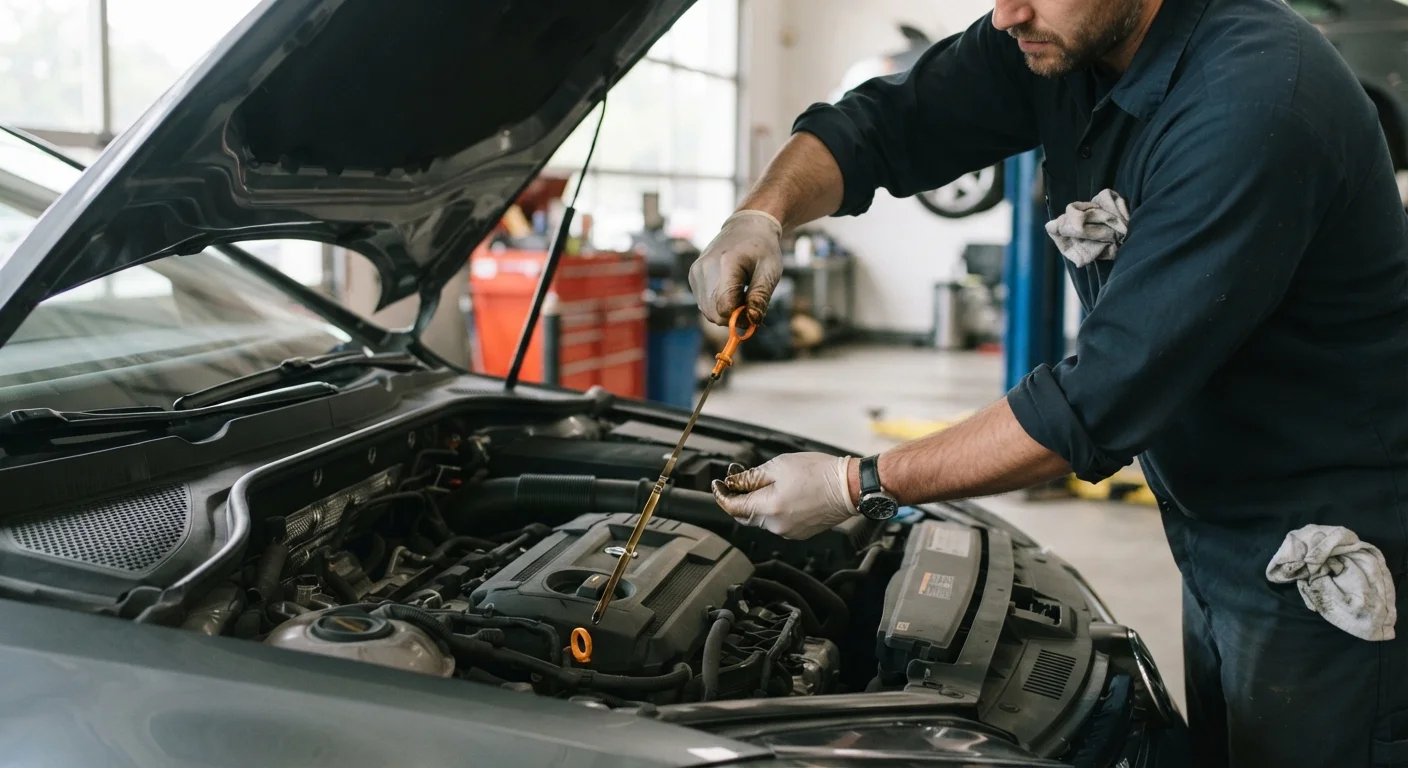
Photo credit: Glowwwatch.com
In this article
Oil changes, tire rotations, brake inspections—learn what routine maintenance tasks involve and how neglecting them affects your vehicle.
Key Takeaways
- Regular oil changes protect the engine from wear and heat damage over time.
- Tire rotations and pressure checks extend tire life and improve road safety.
- Brake inspections catch pad and rotor wear before it becomes a safety hazard.
- Fluid levels — coolant, brake fluid, transmission — each serve a critical system.
- Following your vehicle's maintenance schedule prevents small issues from becoming costly repairs.
Why Routine Maintenance Is Worth Your Attention
A car is one of the most mechanically complex things most people own — and one of the most neglected when it comes to upkeep. Routine maintenance isn't just about keeping things running smoothly today; it's about avoiding breakdowns, safety failures, and repair bills that dwarf what a scheduled service visit would have cost.
Think of it this way: a modern vehicle has hundreds of moving parts that create friction, heat, and wear every time you drive. Maintenance is how you manage that wear before it compounds into something serious. Whether you're new to car ownership or just want a clearer picture of what actually gets done at a service appointment, this guide walks through the core tasks and explains what each one protects.
For a broader look at keeping your vehicle in shape for the long term, see our guide to long-haul vehicle care.
Core Maintenance Tasks and What They Actually Do
Every routine service visit involves a set of checks and replacements that address the systems your car depends on most. Here's what each one covers:
Not sure how often each of these tasks should happen for your specific vehicle? Our article explaining maintenance schedules breaks down mileage intervals and service codes in plain terms.
Quick Actions You Can Take Right Now
You don't need a mechanic to do a meaningful check on your vehicle today. A few simple observations can tell you a lot about where things stand.
What Happens When You Skip Service
Deferred maintenance has a way of compounding. An oil change skipped once is a minor risk; skipped repeatedly, it means engine sludge builds up, metal surfaces wear faster, and eventually internal engine damage that runs into thousands of dollars.
The same principle applies across every system. Worn brake pads that aren't replaced chew into rotors — turning a pad replacement into a rotor replacement that costs significantly more. Low coolant levels that go unchecked can cause overheating and head gasket failure. These aren't worst-case scenarios; they're predictable outcomes of ignored upkeep.
For a deeper look at how neglect escalates, see why skipping maintenance costs more in the long run and why skipping small repairs often leads to bigger problems.
Knowing When to DIY and When to Call a Mechanic
Some maintenance tasks — checking tire pressure, topping off washer fluid, visually inspecting wiper blades — require no tools and take minutes. Others, like bleeding brake lines, flushing transmission fluid, or inspecting suspension components, involve safety-critical systems where an error can have serious consequences. For those jobs, a licensed mechanic is the right call.
Our article on DIY car maintenance vs. taking it to a shop gives a practical breakdown of which tasks are reasonable to handle at home and which are better left to a professional. If you've just purchased your first vehicle, car ownership maintenance from day one is a useful starting point that covers the full picture in plain terms.
Staying consistent with your vehicle's maintenance schedule is one of the simplest and most effective things you can do for overall car maintenance. It keeps small problems visible and manageable before they become expensive ones.

Author
Autos Editorial Team
Autos Editorial Team is the collective byline for our editorial team and contributor network. Articles published under this byline or an editorial pen name are researched, written, and reviewed according to our editorial standards for clarity, consistency, and independence before publication.
View all articles →