
Warning Lights on Your Dashboard and What They're Telling You
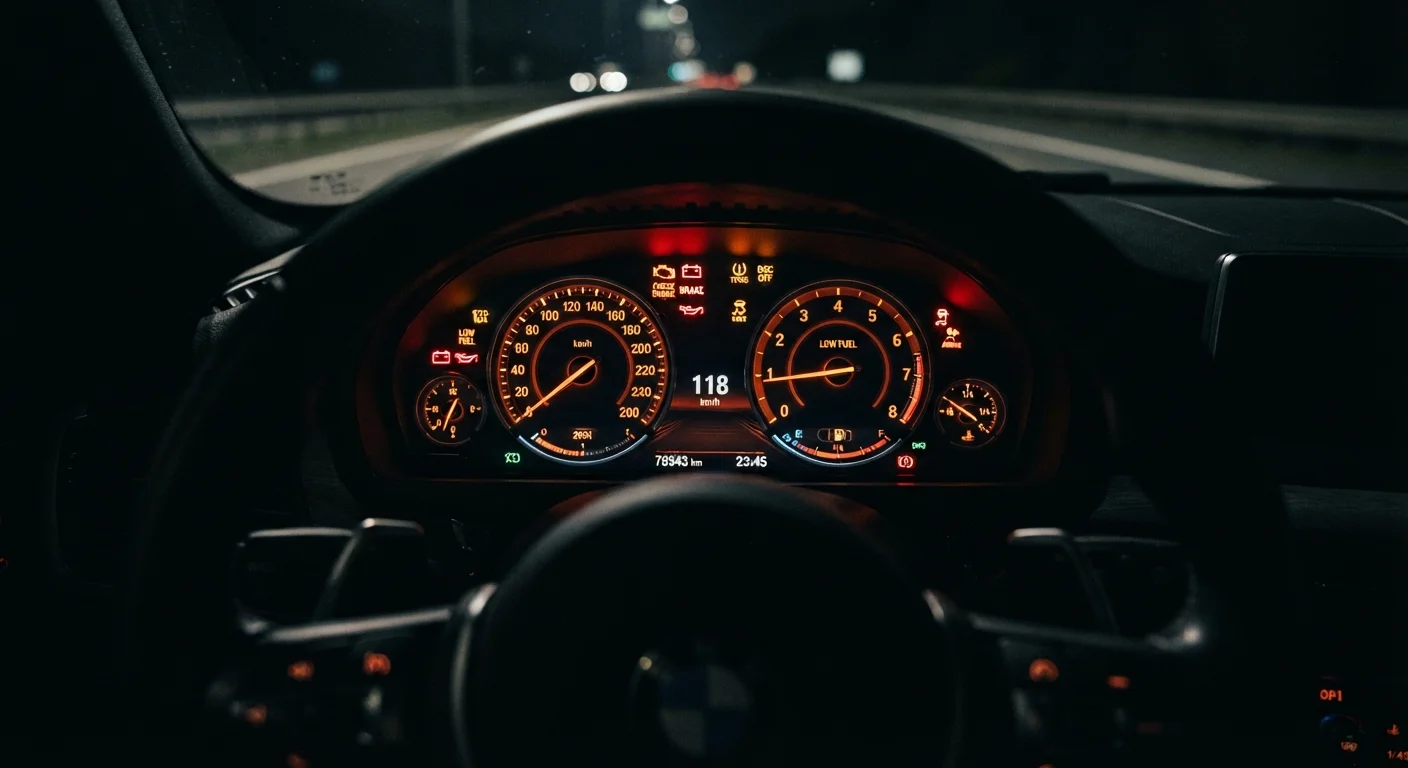
Photo credit: Glowwwatch.com
In this article
A plain-language reference to the most common dashboard warning lights, what triggers them, and when to act fast.
How Dashboard Warning Lights Work
Modern vehicles are packed with sensors that constantly monitor everything from engine temperature to tire pressure. When something falls outside a normal range, the car's onboard computer triggers a warning light on your instrument cluster. Think of it as your car sending you a text message — the symbol is the message, and how you respond determines what happens next.
Warning lights generally fall into three urgency tiers. Red lights signal an immediate problem that could damage your vehicle or create a safety risk — pull over safely when it's appropriate to do so. Yellow or amber lights mean something needs attention soon but usually isn't an emergency right this moment. Green or blue lights are informational, simply telling you that a system (like high beams or cruise control) is active.
Before diving into specific symbols, one important note: always consult your owner's manual. Symbol designs can vary slightly between manufacturers, and your manual is the definitive reference for your specific vehicle.
Common Warning Lights Decoded
Here are the warning lights drivers encounter most often, along with what typically triggers them and how urgently you should respond.
Check Engine (Amber Engine Icon)
This is the most misunderstood light on any dashboard. It doesn't mean your engine is about to explode — it means the engine management system has logged a fault code. Causes range from a loose gas cap to a failing catalytic converter. If the light is steady, schedule a diagnostic scan soon. If it's flashing, that signals an active misfire that can damage the catalytic converter — reduce speed and get to a mechanic promptly.
Oil Pressure Warning (Red Oil Can Icon)
This one is serious. Low oil pressure can destroy an engine in minutes. If it comes on while driving, safely pull off the road, shut the engine off, and check the oil level. Do not continue driving until the cause is identified. This is different from your oil life monitor, which is a maintenance reminder.
Battery / Charging System (Red Battery Icon)
This light typically means the charging system isn't keeping the battery topped up — often a failing alternator or a loose belt. Your car may keep running on battery reserve for a short time, but electrical systems will begin failing. Head to a shop soon; don't make long trips with this light on.
Coolant Temperature (Red Thermometer Icon)
Your engine is overheating. Pull over safely, turn off the engine, and let it cool before opening the hood. Driving an overheated engine can cause serious, expensive damage. Check coolant levels only when the engine is fully cool. See our maintenance schedule guide for coolant service intervals.
Brake Warning (Red Exclamation in Circle)
This light can mean your parking brake is engaged, your brake fluid is low, or there's a fault in the brake system itself. If the parking brake is off and the light stays on, treat it as urgent — brakes are your car's most critical safety system. Our brake maintenance overview explains what to watch for.
Tire Pressure (TPMS — Yellow Horseshoe with Exclamation)
One or more tires is significantly under- or over-inflated. Check pressure at a gas station and inflate to the specification on your door jamb sticker — not the number on the tire sidewall. Cold weather commonly triggers this light because air contracts in lower temperatures.
Traction Control / Stability Control (Yellow Car with Squiggly Lines)
If this flashes briefly, the system is actively working to prevent a skid — normal on slippery roads. If it stays on solid, the system may be disabled or malfunctioning. Check your owner's manual to see if you inadvertently turned it off.
OBD-II (Onboard Diagnostics)
A standardized system used in most vehicles since 1996 that monitors engine and emissions performance. When a problem is detected, it stores a fault code that a scan tool can read.
MIL (Malfunction Indicator Lamp)
The technical name for the Check Engine light. It illuminates when the vehicle's computer detects a fault outside normal operating parameters.
TPMS (Tire Pressure Monitoring System)
A sensor system that tracks air pressure in each tire and alerts the driver when pressure drops significantly below the recommended level.
Alternator
A generator driven by the engine that recharges the battery and powers the vehicle's electrical systems while the engine is running.
Coolant (Antifreeze)
A fluid that circulates through the engine to regulate temperature, preventing both overheating in summer and freezing in winter.
What to Do When a Light Comes On
Don't panic, but don't ignore it either. A few practical steps:
- Note the color and whether it's flashing. Red or flashing demands faster action than steady amber.
- Check for obvious symptoms. Does the car feel or sound different? Is there a smell? These clues help narrow down the cause.
- Consult your owner's manual. Look up the symbol before assuming the worst — or the best.
- Get a diagnostic scan. Many auto parts retailers will read fault codes for free, giving you a starting point before visiting a mechanic.
- Don't delay on red lights. Continuing to drive with a red warning active risks turning a manageable repair into a much larger one.
Staying on top of scheduled maintenance reduces the odds of surprise warning lights significantly. Our pre-trip safety checklist is a good habit to build before longer drives — catching issues before they escalate.
This article is for general informational purposes only. Always consult a qualified mechanic for diagnosis and repair of any vehicle warning or safety concern.

Author
Autos Editorial Team
Autos Editorial Team is the collective byline for our editorial team and contributor network. Articles published under this byline or an editorial pen name are researched, written, and reviewed according to our editorial standards for clarity, consistency, and independence before publication.
View all articles →