
Safe Driving on the Road: Everything Everyday Drivers Need to Know
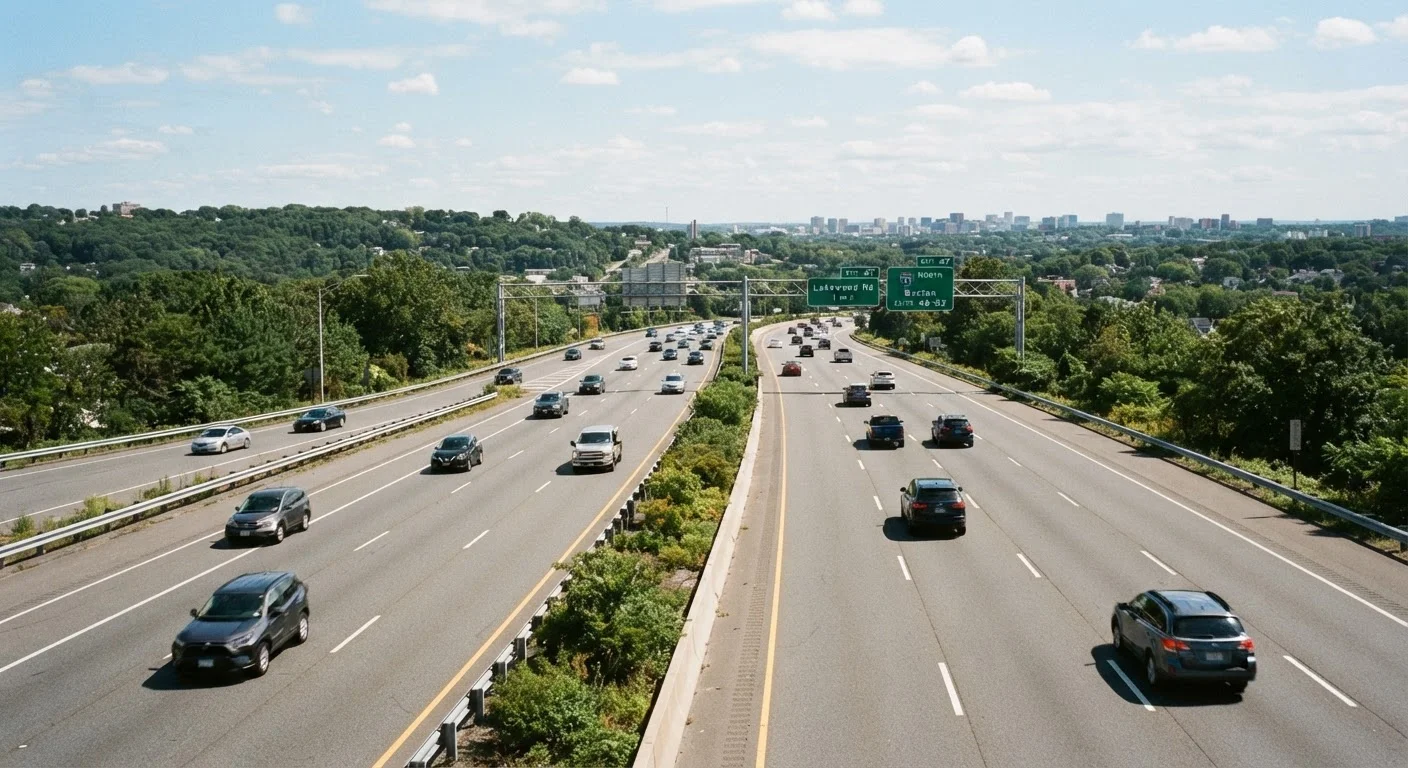
Photo credit: Glowwwatch.com
In this article
From defensive techniques and traffic laws to weather driving and fatigue—a comprehensive resource covering safe driving from every angle.
Key Takeaways
- Defensive driving means anticipating hazards before they become emergencies.
- Drowsy driving impairs reaction time similarly to alcohol intoxication.
- Rain, snow, and ice require significantly reduced speeds beyond posted limits.
- A poorly maintained vehicle is a safety risk, not just a mechanical one.
- Many traffic violations that cause crashes are things drivers do without thinking.
What Defensive Driving Actually Means
Defensive driving is often misunderstood as simply driving slowly or cautiously. In practice, it means actively scanning your environment, anticipating what other drivers and road conditions might do, and giving yourself enough time and space to respond before a problem becomes a crash.
The core habits of defensive driving include:
- Maintaining a following distance of at least three seconds behind the vehicle ahead — more in rain, snow, or heavy traffic.
- Scanning 10–15 seconds ahead rather than fixating on the bumper in front of you.
- Checking mirrors every five to eight seconds to stay aware of what's alongside and behind you.
- Expecting the unexpected — a car running a red light, a pedestrian stepping off a curb, a tire blowout.
Defensive driving does not mean being timid or creating confusion. It means staying predictable yourself while staying prepared for others not to be.
Build a habit of scanning not just ahead, but to the sides of intersections before you enter — even on a green light. Cross-traffic violations are one of the leading causes of serious intersection crashes.
A green light gives you the right of way, but it doesn't guarantee the intersection is clear. A quick side-scan takes less than a second and can prevent a T-bone collision.
Adjust your following distance upward any time you notice you're on a road with debris, construction, or frequent lane changes around you — not just in bad weather.
Hazards that require sudden braking aren't limited to weather. More time and space gives you more options when the unexpected happens.
Key Traffic Laws Drivers Often Overlook
Most drivers know they shouldn't run red lights or drive drunk. But there's a category of laws that people routinely break — often without realizing it — that contribute meaningfully to crashes and injuries.
Right-of-Way at Intersections
Drivers frequently misapply right-of-way rules, especially at four-way stops and uncontrolled intersections. The general rule: the driver who arrives first goes first. When two vehicles arrive simultaneously, yield to the driver on your right. These rules vary by state, so it's worth reviewing your state's driver handbook.
Yielding to Pedestrians
In most states, drivers must yield to pedestrians in marked and unmarked crosswalks. Rolling through a crosswalk while a pedestrian is present — even if they haven't stepped out yet — is illegal in many jurisdictions and dangerous regardless.
Move Over Laws
Every U.S. state has some form of move-over law requiring drivers to slow down or change lanes when passing emergency vehicles, tow trucks, and roadside workers. Enforcement varies, but the safety rationale is clear.
Hands-Free and Phone Laws
Many states now restrict or prohibit handheld phone use while driving. Even where it isn't illegal, using a phone while driving meaningfully slows reaction time. Check your state's current rules — they've been updated frequently in recent years.
Driving in Bad Weather
Posted speed limits represent the maximum safe speed under ideal conditions. In rain, fog, snow, or ice, those limits no longer apply in a practical sense. Your job is to drive at a speed that gives you enough stopping distance for the conditions, not the sign.
Don't Trust Posted Speed Limits in Bad Weather
Speed limit signs reflect ideal, dry-road conditions. In rain, snow, or ice, driving at the posted limit may be genuinely unsafe. Always adjust your speed based on actual road conditions — not just what the sign says. Drivers can still be cited for driving too fast for conditions even if they're at or below the posted limit.
Rain
Rain reduces tire grip and visibility. Slow down, increase your following distance, and watch for standing water — driving through it fast can cause hydroplaning, where your tires lose contact with the road surface. If you hydroplane, ease off the gas and steer gently in the direction you want to go. Do not brake hard.
Snow and Ice
Snow and ice dramatically increase stopping distances. A car traveling 30 mph on ice may take three to ten times longer to stop than on dry pavement, depending on tires and conditions. Accelerate and brake gradually. Avoid cruise control. If you lose traction, steer into the direction of the skid and ease off the accelerator.
Fog
Use low-beam headlights — not high beams — in fog. High beams reflect off fog and reduce visibility. Slow down, signal well ahead of turns, and do not stop on the roadway if you can avoid it.
Fatigue and Distraction Behind the Wheel
Driver fatigue is one of the most underreported contributors to serious crashes. Research from the National Highway Traffic Safety Administration (NHTSA) has consistently found that drowsy driving shares many of the same impairments as drunk driving — slower reaction time, reduced awareness, and impaired decision-making.
~100,000
Drowsy driving crashes per year (estimated)
The NHTSA estimates drowsy driving is involved in roughly 100,000 police-reported crashes annually in the United States.
3 seconds
Minimum safe following distance in normal conditions
Traffic safety organizations broadly recommend a three-second following distance as a baseline, increasing to five or more in poor conditions.
Warning signs of dangerous fatigue include: difficulty keeping your eyes open, frequent yawning, drifting out of your lane, and missing exits or signs you should have noticed. If you're experiencing these, pull off safely and rest. Caffeine can help temporarily, but it is not a reliable substitute for sleep.
Distracted Driving
Distraction comes in three forms: visual (taking your eyes off the road), manual (taking your hands off the wheel), and cognitive (taking your mind off driving). Texting involves all three simultaneously, which is why it's particularly dangerous. But distraction also includes eating, adjusting the radio, loud conversations, and anything else that pulls your attention away from the road even briefly.
Vehicle Readiness and Safe Driving
A car that isn't properly maintained is a safety liability. Worn tires, low brake fluid, or a burned-out headlight can turn an ordinary situation into a dangerous one. Regular maintenance isn't just about avoiding repair bills — it's about keeping your vehicle capable of doing what you need it to do in an emergency.
A few areas worth attention:
- Tires: Check pressure monthly (including the spare) and inspect tread depth. Worn tires can't grip the road effectively, especially in wet conditions.
- Brakes: If you hear grinding, feel vibration when braking, or notice the car pulling to one side, have the brakes inspected by a qualified mechanic.
- Lights: Walk around your car periodically and confirm all headlights, taillights, brake lights, and turn signals are working.
- Fluids: Low coolant, brake fluid, or power steering fluid can all affect safety. See our guide to car fluids for what to check and why it matters.
For a broader look at routine upkeep, the car maintenance hub covers what every driver should be doing to keep their vehicle reliable and road-ready.
Common Situations Where Crashes Happen
Even experienced, attentive drivers get tripped up by specific situations. Intersections account for a large share of crashes, particularly left turns across oncoming traffic. Merging lanes, backing out of driveways, and navigating roundabouts are other common trouble spots.
The pattern in most of these situations is similar: a driver either misjudges speed and distance, fails to yield when they should, or acts on an assumption about what another driver will do. Our article on avoidable errors even careful drivers make goes deeper on where these mistakes cluster and what to do differently.
A few general principles help across most of these scenarios:
- When in doubt, yield. The few seconds you lose are not worth the risk.
- Make your intentions clear — signal early, brake gradually, and avoid sudden moves.
- Assume other drivers may not see you, especially in blind spots and at night.
Safe driving is ultimately about consistency. You don't have to be a perfect driver to dramatically reduce your crash risk — you just have to build good habits and practice them every time you drive.
It also helps to keep your documentation in order. Knowing you have the right documents in your glove box means one less thing to worry about if something does go wrong.

Author
Autos Editorial Team
Autos Editorial Team is the collective byline for our editorial team and contributor network. Articles published under this byline or an editorial pen name are researched, written, and reviewed according to our editorial standards for clarity, consistency, and independence before publication.
View all articles →