
Home Maintenance Tasks That Are Worth Doing Yourself — and Ones That Aren't
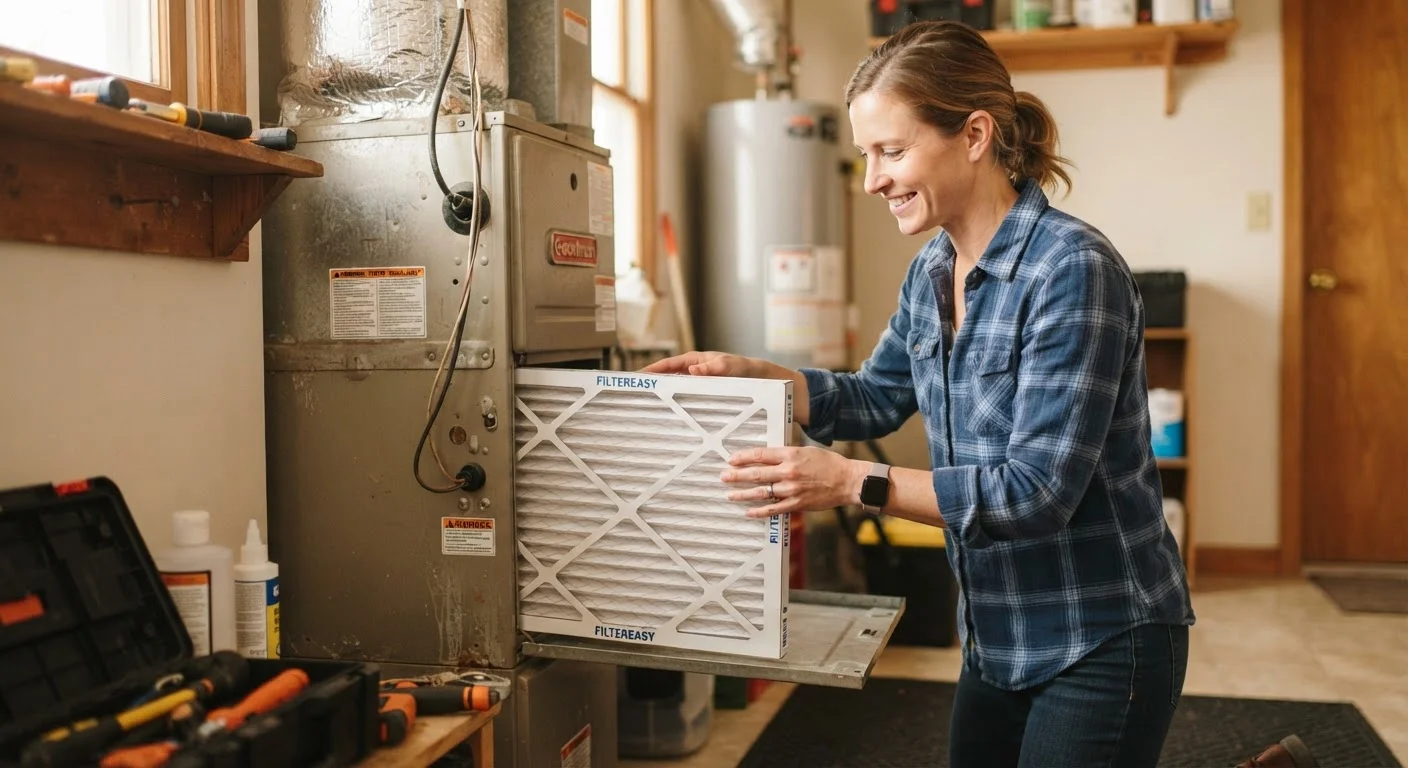
Photo credit: Glowwwatch.com
In this article
Some upkeep is straightforward for any homeowner. Others carry real safety or legal risk. Here's how to tell the difference before you pick up a tool.
Key Takeaways
- Many routine maintenance tasks — like replacing filters and caulking — are safe and cost-effective for homeowners to handle themselves.
- Electrical, structural, and gas-related work typically requires licensed professionals and local permits.
- Attempting unpermitted work on regulated systems can void insurance coverage and complicate future home sales.
- When in doubt, consult a licensed contractor before starting any project involving safety systems.
- Keeping a maintenance log helps you track what's been done and by whom — critical for warranty and resale purposes.
How to Think About the DIY vs. Pro Decision
Owning a home means accepting a long list of maintenance responsibilities. Some of those tasks are genuinely manageable for an average person with basic tools and an afternoon to spare. Others carry real risks — to your safety, your home's structural integrity, or your legal standing as a property owner.
The key factors to weigh before tackling any job yourself are: physical safety, permit requirements, skill level needed, and consequences of error. A botched caulk job around a tub is easy to redo. A botched electrical connection can start a fire or void your homeowner's insurance policy.
For a broader view of what to prioritize in early homeownership, see what to inspect, fix, and track in your first year. And if you want to understand permit and code requirements before starting any project, this overview of permits and inspections is a useful starting point.
Tasks That Are Generally Safe to Do Yourself
These are maintenance jobs that carry low risk when done carefully, require no permits in most jurisdictions, and don't involve regulated systems:
- Replacing HVAC filters: One of the highest-value tasks a homeowner can do. Filters should typically be replaced every 1–3 months depending on type and household conditions. No tools required beyond reading the filter size printed on the existing unit.
- Caulking around tubs, sinks, and windows: Old or cracked caulk allows moisture intrusion. Removing old caulk with a utility knife and applying new caulk is a straightforward skill with low risk of error.
- Cleaning gutters: Clogged gutters contribute to water damage and foundation issues. Cleaning them seasonally is manageable from a stable ladder — though working safely at height always requires caution.
- Testing smoke and carbon monoxide detectors: Press the test button monthly and replace batteries annually, or as the manufacturer recommends.
- Painting interior walls: Surface preparation matters, but interior painting carries no safety risk and no permit requirement in virtually any jurisdiction.
- Sealing gaps around doors and windows with weatherstripping: Reduces drafts and energy loss. Most weatherstripping products use adhesive or simple fasteners.
| Task | DIY-Friendly? | Permit Typically Required? | Risk if Done Wrong | |
|---|---|---|---|---|
| HVAC filter replacement | Yes | No | Reduced air quality, higher energy bills | |
| Caulking tubs and windows | Yes | No | Minor moisture intrusion if done poorly | |
| Gutter cleaning | Yes, with caution | No | Fall injury if ladder safety ignored | |
| Interior painting | Yes | No | Cosmetic only — easily redone | |
| Electrical panel or wiring work | No | Yes in most jurisdictions | Fire, electrocution, insurance denial | |
| Gas line connections | No | Yes in most jurisdictions | Gas leak, explosion, carbon monoxide | |
| Structural wall removal | No | Yes | Structural collapse, major repair costs | |
| Roof replacement | Not recommended | Often yes | Fall injury, voided warranty, leaks |
Keeping records of these tasks helps protect warranty coverage and builds a maintenance history that future buyers value. Building a home maintenance log doesn't have to be complicated.
Tasks That Require a Licensed Professional
The following categories involve regulated systems, permit requirements, or safety risks that make professional involvement strongly advisable in most cases:
Unpermitted Work Can Backfire Seriously
In most U.S. jurisdictions, electrical, plumbing, structural, and HVAC work above a certain scope legally requires a permit and inspection. Completing this work without one can void your homeowner's insurance for related claims, create liability if someone is injured, and trigger expensive remediation requirements when you sell. Always check with your local building department before starting work on regulated systems.
- Electrical panel work: Adding circuits, replacing a breaker panel, or rewiring rooms requires a licensed electrician in virtually every U.S. jurisdiction and a permit inspection. Improper electrical work is a leading cause of residential fires. For a detailed breakdown, see the truth about DIY electrical work.
- Gas line repairs or connections: Any work on gas supply lines — including connecting new appliances — should be done by a licensed plumber or gas fitter. Gas leaks are not a recoverable mistake.
- Structural modifications: Removing or altering walls, especially load-bearing ones, requires engineering knowledge. Understanding what a load-bearing wall is before you pick up a sledgehammer could prevent catastrophic damage.
- Roof replacement or major repairs: Working at roof height carries significant fall risk. Beyond safety, improper repairs can void manufacturer warranties and create undetected leak pathways. What homeowners should know about roof maintenance covers when professional inspection is warranted.
- Asbestos or lead paint remediation: Older homes may contain hazardous materials that require certified contractors for safe removal. Disturbing these materials improperly creates serious health risks and legal liability.
To go deeper on where the DIY line falls across job types, this guide on DIY vs. licensed contractor decisions provides additional context.
The Hidden Costs of Getting It Wrong
Choosing DIY to save money is rational — but the calculus changes when unpermitted or unsafe work enters the picture. Homeowner's insurance policies often exclude damage caused by unpermitted work. If a fire or flood is traced to work that should have been inspected, your claim may be denied.
Unpermitted work can also surface during a home sale. Buyers' inspectors routinely flag additions, upgraded electrical panels, and structural changes that lack permit records. Resolving those issues at closing — or losing a sale over them — typically costs far more than the original professional fee would have.
Skipping maintenance altogether is its own financial risk. The hidden costs of deferred home maintenance explains how neglected upkeep compounds over time into much larger repair bills.
Finally, know your home's critical systems before any emergency arises. Locating your water shutoff, breaker panel, and gas valve is foundational knowledge every homeowner needs.
This article provides general home maintenance information for educational purposes. Always verify local permit requirements and consult licensed professionals for any work involving regulated or hazardous systems in your home.

Author
Real Estate Editorial Team
Real Estate Editorial Team is the collective byline for our editorial team and contributor network. Articles published under this byline or an editorial pen name are researched, written, and reviewed according to our editorial standards for clarity, consistency, and independence before publication.
View all articles →