
The Hidden Costs of Deferred Home Maintenance
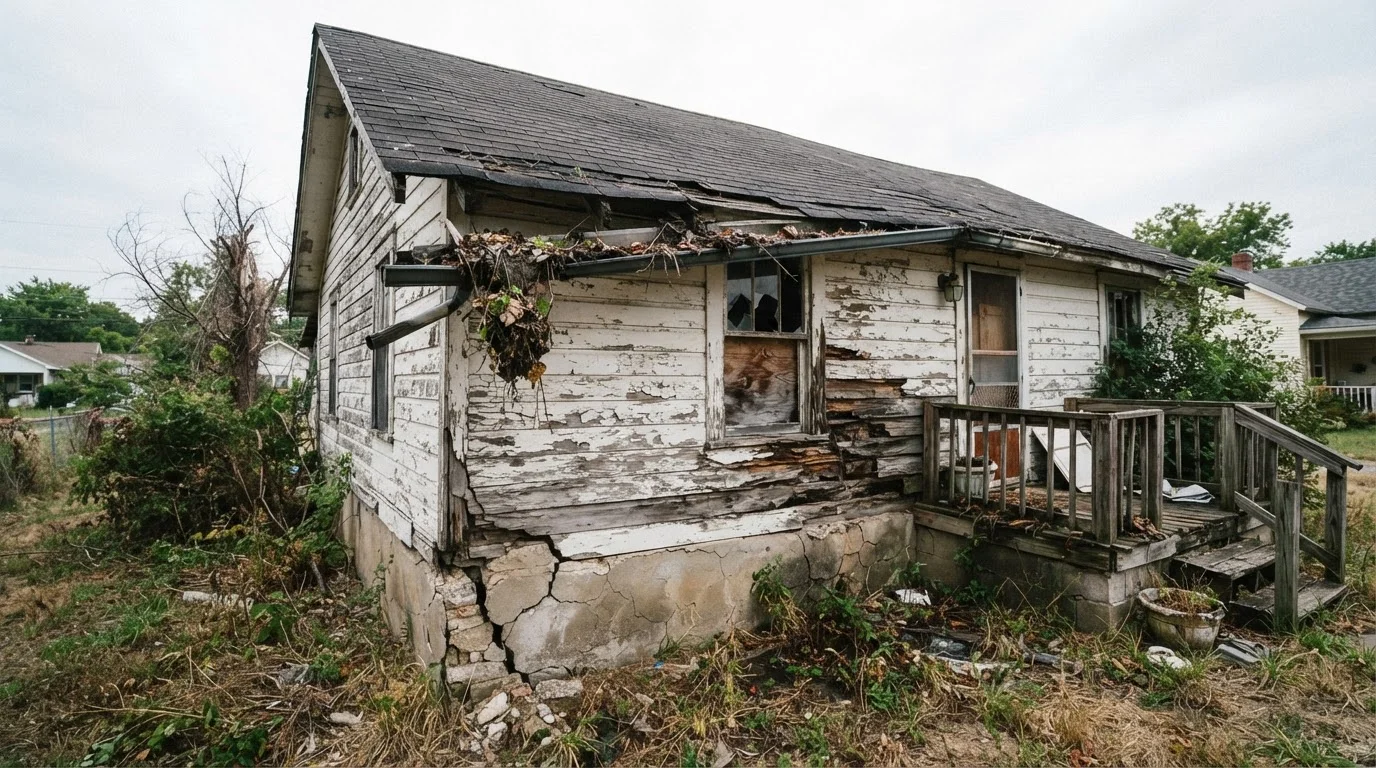
Photo credit: Glowwwatch.com
In this article
Skipping routine upkeep rarely saves money. Understand how neglected maintenance compounds into costly repairs and what it means for home value.
Key Takeaways
- Postponed repairs almost always cost more to fix later than they would have originally.
- Water intrusion and moisture damage are among the fastest-escalating deferred maintenance problems.
- Neglected maintenance can directly lower your home's appraised and resale value.
- A basic annual maintenance routine catches problems before they compound.
- Some deferred maintenance creates safety or code compliance risks beyond just financial impact.
Why Skipping Maintenance Rarely Saves Money
Many homeowners delay routine upkeep with straightforward logic: if something isn't visibly broken, fixing it can wait. The problem is that most home systems deteriorate gradually and quietly. By the time a problem becomes obvious, it has usually grown well beyond its original scope — and original cost.
A small roof leak, for example, may cost a few hundred dollars to patch when first noticed. Left unaddressed, that same leak can saturate insulation, rot structural sheathing, promote mold growth, and damage interior finishes — turning a minor repair into a project that can run into the thousands. The math of deferral almost always favors acting sooner.
This pattern holds across nearly every home system. Clogged gutters back water up under roofing materials. Ignored HVAC filter changes reduce efficiency and shorten equipment life. A cracked driveway that lets water pool near the foundation can eventually compromise the slab itself. For a deeper look at how this compounding effect works system by system, see why deferred maintenance costs so much more in the long run.
1%–2%
Of home value recommended for annual maintenance
A widely cited guideline among home finance and real estate professionals suggests budgeting 1–2% of a home's purchase price annually for upkeep and repairs.
Up to 10x
Cost multiplier of delayed versus prompt repairs
Home inspectors and contractors commonly observe that water-related damage in particular can escalate to costs many times higher than early intervention would have required.
~$5,000
Average price reduction buyers negotiate for deferred maintenance
Real estate professionals frequently report that inspectors' findings related to deferred maintenance result in renegotiated sale prices, often outpacing the original repair cost.
The Real Impact on Home Value
Deferred maintenance doesn't just affect repair bills — it directly affects what your home is worth. When an appraiser evaluates a property, visible deterioration is factored into the assessed value. When a buyer's inspector walks through, every flagged item becomes a potential negotiating point, usually in the buyer's favor.
Sellers who have deferred maintenance often face one of two outcomes: accepting a lower sale price, or spending more to address the issues under deadline pressure — when contractor availability and pricing are not in their favor. Neither outcome is ideal, and both were avoidable.
It's also worth distinguishing deferred maintenance from renovations. Updating a kitchen or adding a deck may or may not add value, but catching up on overdue repairs is almost always money well-spent before a sale. If you're thinking about preparing to sell, preparing your home for sale without over-improving it offers practical guidance on where to focus your effort and budget.
High-Risk Systems to Watch
Not all deferred maintenance carries the same risk. Certain systems, when neglected, escalate far faster and more expensively than others. Understanding which areas deserve priority attention helps homeowners make smarter decisions about where to focus limited time and budget.
- Roof and gutters: Water intrusion is one of the most destructive forces a home can experience. Damaged shingles, failed flashing, and blocked gutters should be addressed promptly.
- HVAC systems: Filters, coils, and drain lines require regular attention. Neglected systems work harder, fail sooner, and can create indoor air quality issues.
- Plumbing: Slow drips and minor leaks seem harmless but can rot subfloor material and promote mold over time.
- Foundation and drainage: Grading that directs water toward the house, or cracks that allow moisture in, can lead to structural problems that are among the most expensive repairs a homeowner can face.
- Exterior envelope: Caulking around windows and doors, siding condition, and paint on wood surfaces all protect against moisture infiltration.
Schedule a Seasonal Walkthrough
Set a recurring calendar reminder each spring and fall to walk your home's exterior and interior systematically. Check for water stains, caulking gaps, gutter debris, and HVAC filter condition. Catching issues during these scheduled checks costs nothing and consistently prevents the compounding effect that makes deferred maintenance so expensive.
If you're evaluating which tasks you can handle yourself versus which require a professional, home maintenance tasks worth doing yourself — and ones that aren't provides a clear framework for making that call safely.
Building a Maintenance Habit That Protects Your Investment
The most effective way to avoid the hidden costs of deferred maintenance is to treat upkeep as a recurring, scheduled responsibility rather than a reactive one. A simple seasonal checklist — inspecting the roof and gutters each fall, servicing the HVAC before summer, checking caulking and weatherstripping in spring — catches most problems while they're still minor.
Budgeting is equally important. A commonly cited rule of thumb suggests setting aside roughly 1% of a home's value annually for maintenance, though older homes or those with aging systems may require more. This isn't a guarantee of covering every expense, but it creates a financial buffer that makes acting promptly on small issues much easier.
It's also worth being skeptical of conventional wisdom that sometimes leads homeowners in the wrong direction. Common home maintenance myths can be just as costly as neglect — doing the wrong thing confidently is still a problem.
Protecting a home's value over time isn't about perfection — it's about consistency. Regular attention to the systems that keep a home dry, safe, and functional is the most reliable way to avoid the compounding costs that deferred maintenance creates.
Frequently Asked Questions

Author
Home & Garden Editorial Team
Home & Garden Editorial Team is the collective byline for our editorial team and contributor network. Articles published under this byline or an editorial pen name are researched, written, and reviewed according to our editorial standards for clarity, consistency, and independence before publication.
View all articles →