
The Truth About DIY Electrical Work at Home
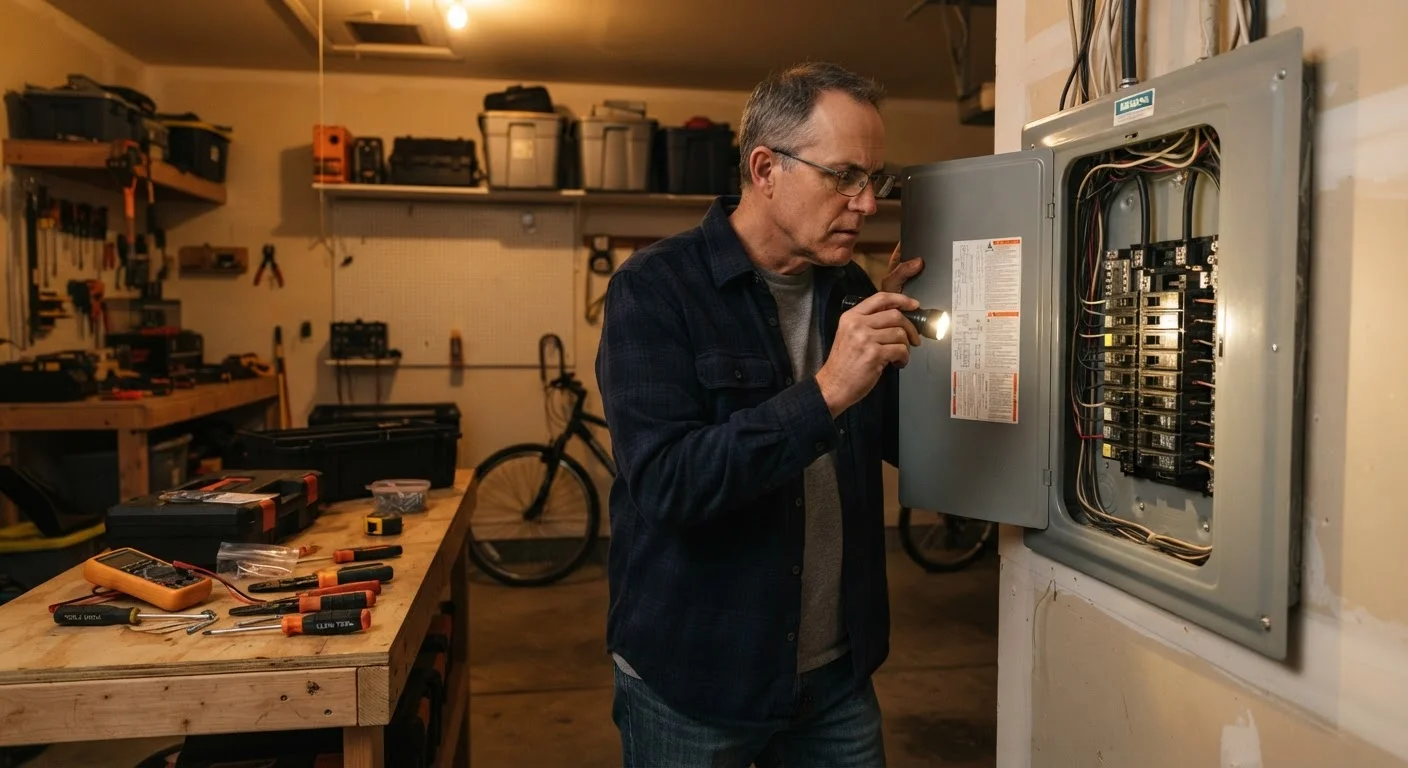
Photo credit: Glowwwatch.com
In this article
Separate fact from fiction on what homeowners can legally and safely handle themselves versus what requires a licensed electrician.
Key Takeaways
- Most electrical work inside walls, panels, or service entries legally requires a licensed electrician in the US.
- Turning off a breaker does not make all wiring safe to touch — other hazards remain.
- Permits and inspections exist to protect homeowners, not just contractors or municipalities.
- Simple tasks like replacing a light switch or outlet cover are often genuinely DIY-friendly.
- Unpermitted electrical work can void homeowner's insurance and complicate future home sales.
Why Electrical Myths Are Especially Costly
Of all the home improvement topics surrounded by confident-but-wrong advice, electrical work ranks near the top. The stakes are high: electrical faults are a leading cause of residential fires in the United States, according to the U.S. Fire Administration. Yet the internet is full of tutorials that blur the line between genuinely safe DIY tasks and work that is regulated, permitted, and restricted for good reason.
Understanding which myths are in play before you pick up a screwdriver is the most useful thing you can do. Our guide to DIY vs. licensed contractor work covers the broader picture; this article focuses specifically on the electrical misconceptions that trip up well-meaning homeowners most often.
Myth
As long as I flip the breaker off, I'm safe to work on any wiring in my home.
Fact
Turning off a breaker de-energizes that circuit, but other live wires may still be present in the same junction box or panel. The service entry to your panel is never de-energized by your breaker.
A standard breaker controls only the circuit it's assigned to. Inside a junction box, wires from multiple circuits sometimes share a space. The wires connecting your home to the utility — the service entrance cables at the top of your main panel — remain live at all times regardless of any switch you flip. Touching those cables is potentially fatal. Always use a non-contact voltage tester on every wire before touching it, even after turning off the breaker.
Myth
Electrical permits are just a way for the city to collect fees — they don't actually protect me.
Fact
Permits trigger inspections that catch wiring errors before they become fire or shock hazards. They also protect your legal standing with insurers and future buyers.
Unpermitted electrical work is one of the most common red flags uncovered during home sales inspections. If a fire or injury is traced to unpermitted work, your homeowner's insurance provider may deny the claim. The inspection process that comes with a permit is specifically designed to catch mistakes — wrong wire gauges, missing ground fault circuit interrupter (GFCI) protection, overloaded circuits — before they cause harm.
Myth
If I can find a YouTube tutorial for it, it's safe and legal for me to DIY.
Fact
Online tutorials reflect neither your local electrical code nor your home's specific wiring condition. What's legal varies significantly by jurisdiction.
A tutorial filmed in one state may describe work that requires a licensed electrician in your county. Video creators also cannot account for older wiring (such as aluminum branch-circuit wiring or knob-and-tube), non-standard panel configurations, or whether your home's existing circuits are already near capacity. Treat tutorials as educational background, not a green light to proceed.
Myth
Adding a new outlet is a simple DIY job anyone can do.
Fact
Adding a new outlet typically means running a new circuit or extending an existing one — work that usually requires a permit and, in most jurisdictions, a licensed electrician.
Replacing an existing outlet with a new one of the same type is a different task from adding an outlet where none existed. The latter requires determining whether the existing circuit has capacity, running cable through walls, making connections at the panel, and ensuring GFCI or arc-fault circuit interrupter (AFCI) protection where required by code. This is the category of work that most state laws restrict to licensed contractors.
Myth
A higher-amp fuse or breaker will fix a tripping circuit.
Fact
Upsizing a breaker beyond what the wiring is rated for is a serious fire hazard. The breaker's job is to protect the wire, not the appliance.
Breakers and fuses trip because the circuit is drawing more current than the wire can safely carry. The solution is to find and eliminate the overload — not to install a larger breaker. A 20-amp breaker on 15-amp wire means the wire can overheat and ignite insulation long before the breaker trips. This is one of the most dangerous DIY mistakes in residential electrical work.
Myth
My home is newer, so its wiring is definitely up to current code.
Fact
Electrical codes are updated regularly. A home built even 10–15 years ago may lack AFCI protection, tamper-resistant outlets, or other features now required by the NEC.
The National Electrical Code is revised roughly every three years, and states adopt updates on their own schedules. Requirements for arc-fault protection, GFCI placement, and outdoor wiring have all expanded in recent editions. A home that passed inspection when it was built may not meet today's code — which matters most when you're doing renovation work that triggers a new inspection.
What Homeowners Can Reasonably Handle
Even with all the cautions above, a meaningful set of electrical tasks genuinely falls within reach for a careful, informed homeowner. Replacing a like-for-like light fixture, swapping a standard outlet or switch (after confirming power is off at the breaker and verified with a non-contact voltage tester), or installing a ceiling fan where wiring already exists are examples many jurisdictions permit homeowners to perform on their own property without a license — though a permit may still be required.
The key phrase is like-for-like. Replacing an existing device with an identical one is very different from adding a new circuit, upgrading panel capacity, or moving wiring inside walls. Before starting any task, look up your local jurisdiction's specific rules; the National Electrical Code (NEC) sets a baseline, but states and municipalities adopt their own versions and amendments.
Always Verify Power Is Off — Don't Assume
Flipping a breaker is only the first step. Before touching any wire, use a non-contact voltage tester to confirm no live current is present. Testers are inexpensive and widely available at hardware stores. Skipping this step — even once — can be fatal.
For a broader look at how permits and inspections factor into home projects, see our plain-language breakdown: what homeowners need to know about permits and inspections.
Making the Right Call for Your Home
The goal isn't to discourage homeowners from being hands-on — it's to help you make better-informed decisions. A good rule of thumb: if the task requires opening the electrical panel, running new wire through walls, or involves your home's service entry, hire a licensed electrician. If it's a surface-level replacement of an existing device and your local rules allow it, proceed carefully with the right tools and knowledge.
It's also worth knowing where your electrical panel is located and what it controls before any issue arises. Our article on locating your home's critical systems is a practical starting point. And if you've absorbed any myths from broader home maintenance advice, common home maintenance myths that cost homeowners money is worth a read too.
When to Call a Licensed Electrician
Any work involving your main electrical panel, service entrance, new circuits, or wiring inside walls should be performed by a licensed electrician in virtually all US jurisdictions. This is not a matter of skill level — it is a legal and safety requirement. If you are unsure whether your planned task falls into a restricted category, contact your local building department before starting.
This article is for general informational purposes only. Electrical codes and homeowner rules vary by state and municipality. Always verify local requirements and consult a licensed electrician before undertaking any electrical work beyond your confirmed legal scope.

Author
Home & Garden Editorial Team
Home & Garden Editorial Team is the collective byline for our editorial team and contributor network. Articles published under this byline or an editorial pen name are researched, written, and reviewed according to our editorial standards for clarity, consistency, and independence before publication.
View all articles →