
How to Build a Home Maintenance Log That Actually Gets Used
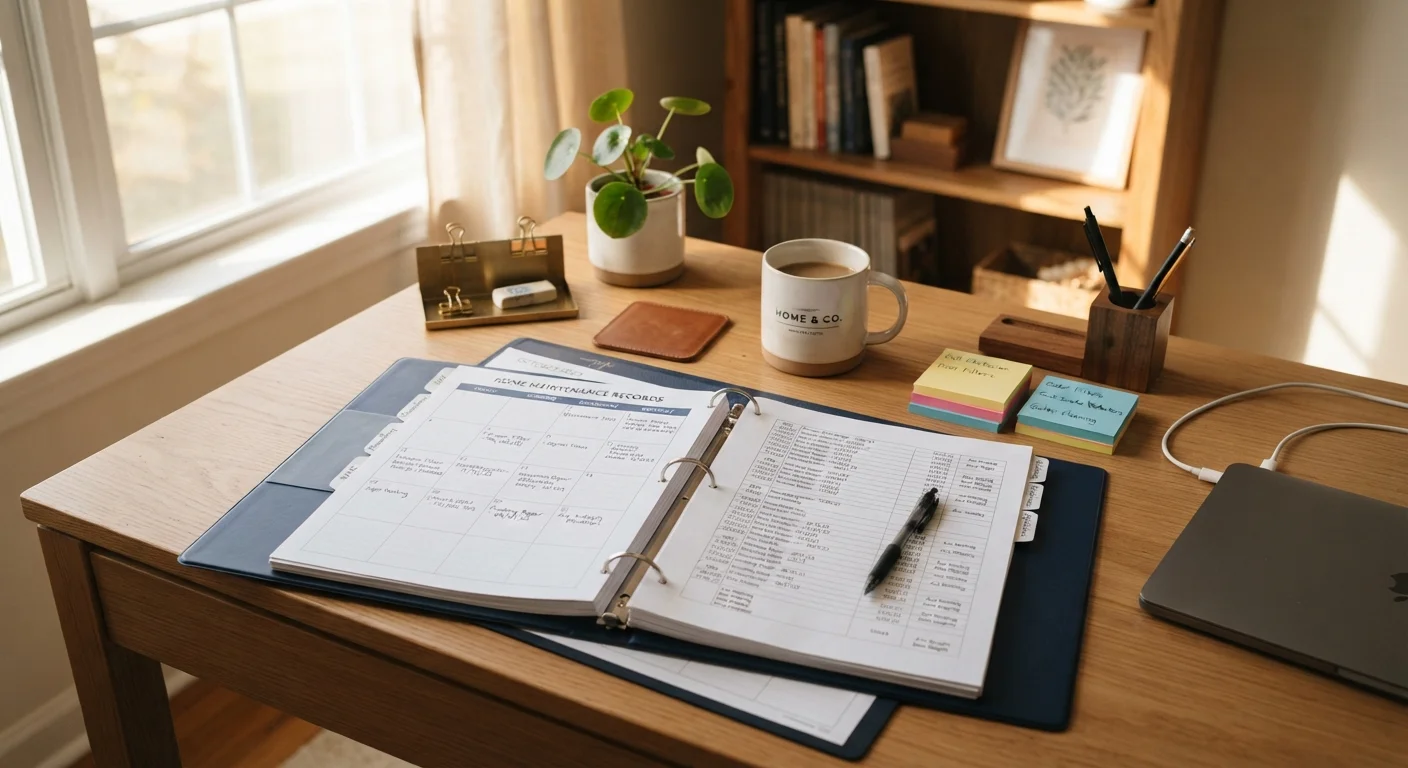
Photo credit: Glowwwatch.com
In this article
A simple maintenance record protects your warranty coverage and helps future buyers trust your home. Learn what to track and how to organize it.
Key Takeaways
- A maintenance log protects warranty coverage and boosts buyer confidence when you sell.
- You only need five core data fields per entry to make a log genuinely useful.
- Digital and paper formats both work — consistency matters more than the medium.
- Linking your log to a seasonal checklist makes it easier to stay current.
- Even a partial record started today is far more valuable than a perfect system started never.
Why a Maintenance Log Is Worth the Setup Time
A home maintenance log is, at its core, a paper trail — and paper trails have real financial value. When an appliance warranty is disputed, insurers and manufacturers routinely ask for proof of regular servicing. When you sell, a documented history of upkeep signals to buyers that the home has been cared for, which can support your asking price and reduce the friction of inspection negotiations.
There's also a planning benefit. Knowing when the water heater was last flushed or when the roof was inspected helps you anticipate what's likely to need attention next, rather than responding to surprises. If you're new to homeownership, our guide on what to inspect, fix, and track in your first year pairs well with the log-building process below.
What you will need
What to Track and How to Get Started
Before you build the structure, gather your tools. You don't need anything expensive — the goal is a format you'll actually use consistently.
Three-ring binder with dividers
Organizes paper receipts, inspection reports, and warranty cards by home system.
Spreadsheet software (e.g., any free cloud-based option)
Creates a searchable, shareable digital log with sortable columns for date, cost, and contractor.
Home maintenance tracking app
Sends reminders for recurring tasks and stores photos alongside each record entry.
Phone camera or scanner app
Digitizes paper receipts and warranties so they're backed up and easy to search.
Choose a format you'll realistically stick with
The best log is the one you'll actually open. A simple paper binder works if you prefer tangible records. A spreadsheet suits people who like filtering by date or cost. A dedicated app adds photo storage and automatic reminders. Pick one format and commit — switching later is easy once the habit is formed.
Define your five core fields for every entry
Every record you create should capture: date of the task, system or area of the home affected (e.g., HVAC, roof, plumbing), what was done (a one-sentence description), who did it (yourself or contractor name and license number), and cost. Optional but valuable: attach a photo or scan of the invoice.
Organize records by home system, not by date
Group entries under categories such as: Roofing, HVAC, Plumbing, Electrical, Appliances, Interior, Exterior/Landscaping. This structure makes it fast to pull the full history of a system — which is what a home inspector or buyer will want, and what you'll need when a warranty claim arises.
Backfill what you already have
Dig out past invoices, emails from contractors, and appliance registration cards. Enter whatever you can find — even an incomplete record is useful. Note the source of each entry ("from contractor invoice" vs. "from memory") so the log's reliability is clear at a glance.
Attach a recurring reminder to update the log
Schedule a recurring calendar alert — quarterly works well for most households. Tie it to a task you already do, such as changing HVAC filters. Each time the reminder fires, log anything completed since the last entry. A seasonal maintenance calendar can serve as your prompt for what to inspect and record each quarter.
Store it somewhere both accessible and backed up
A paper binder should live in a consistent spot — a filing cabinet, kitchen drawer, or home-office shelf. A digital log needs at least one cloud backup so it survives a lost laptop. If you use a smartphone app, confirm that data syncs to the cloud automatically before you rely on it.
Keeping the Log Current Without Burning Out
The biggest reason maintenance logs get abandoned is that homeowners try to update them after every small task. A better approach is batching: review and update your log each time you complete a seasonal walkthrough. Our room-by-room quarterly checklist gives you a structured prompt for what to inspect — and by extension, what to record — across every major system.
For tasks you're unsure about tackling yourself, see our breakdown of which home maintenance tasks are DIY-friendly and which aren't. Knowing the distinction helps you log entries accurately: noting whether work was self-performed or professionally completed is information that genuinely matters for warranty and insurance purposes.
Share a Read-Only Copy With Your Real Estate Agent
If you ever list your home for sale, a well-organized maintenance log can be exported or printed and shared as a disclosure supplement. Buyers and their agents increasingly appreciate documented upkeep history. Keep a clean, shareable version ready — it costs you nothing and may reduce negotiation friction at closing.
Roof-related records deserve extra attention given how costly and consequential roofing problems can be. Keep a dedicated section for roof inspections, gutter cleaning, and any repairs — and review our guide to roof maintenance essentials to understand what a thorough inspection should capture.

Author
Home & Garden Editorial Team
Home & Garden Editorial Team is the collective byline for our editorial team and contributor network. Articles published under this byline or an editorial pen name are researched, written, and reviewed according to our editorial standards for clarity, consistency, and independence before publication.
View all articles →