
Plants That Are Genuinely Hard to Kill for First-Time Gardeners
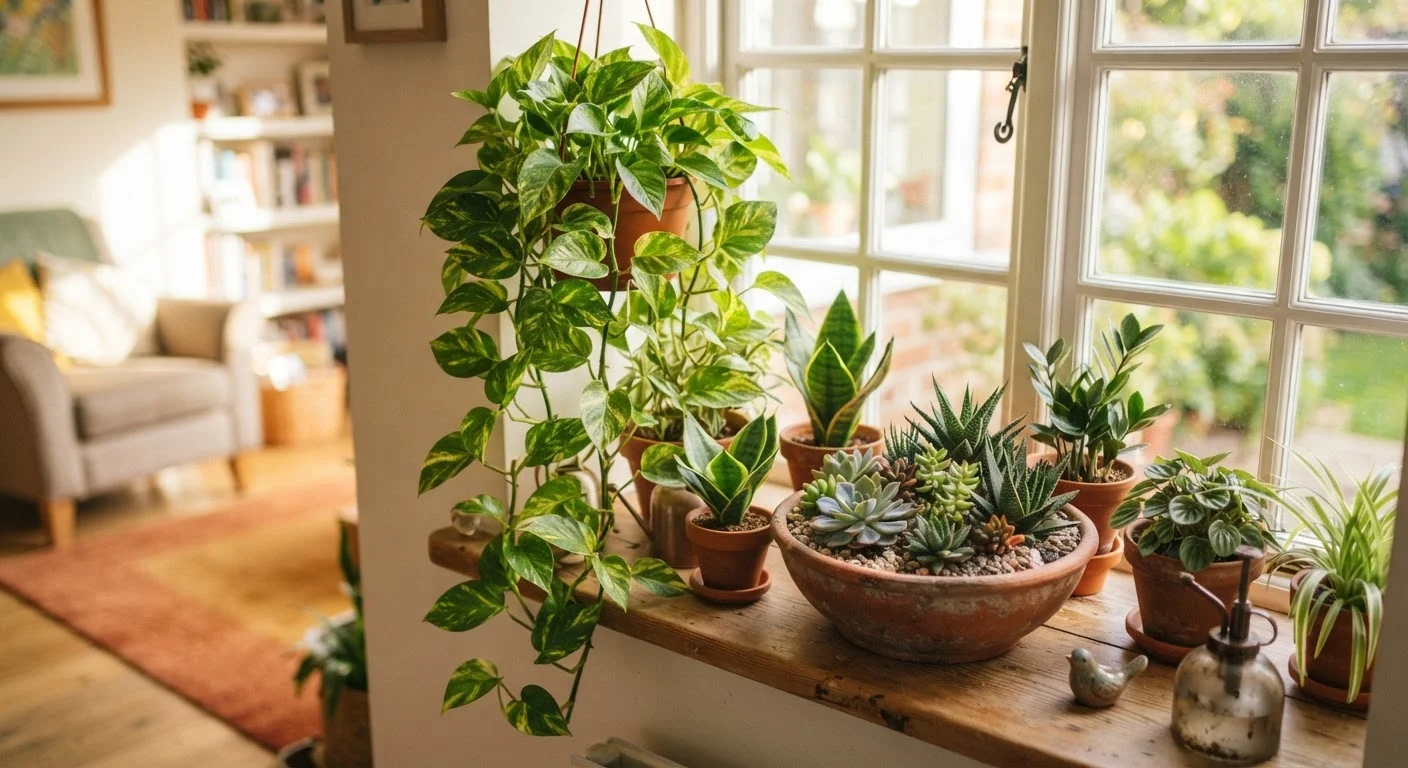
Photo credit: Glowwwatch.com
In this article
A curated list of forgiving, resilient plants—indoors and out—with context on what makes each one a solid starting point for new gardeners.
Key Takeaways
- Most beginner failures come from overwatering, not underwatering — forgiving plants tolerate neglect better.
- Both indoor and outdoor options exist for new gardeners regardless of available space.
- Understanding why a plant is resilient helps you give it the right minimal care it actually needs.
- Starting with one or two plants and expanding gradually is a more sustainable approach than going all-in at once.
- Even hard-to-kill plants have a few key needs — learning those basics builds transferable gardening skills.
Why Plant Choice Matters More Than Skill at the Start
Every experienced gardener has a graveyard of plants they accidentally killed early on. The honest truth is that beginner struggles rarely come down to lack of talent — they usually come down to starting with the wrong plants. Choosing species that naturally tolerate irregular watering, variable light, or imperfect soil gives you room to learn without constant setbacks.
If you're just getting started, check out our practical primer for complete beginners before you buy a single seed or seedling. And if you're planning an outdoor garden, our garden planning checklist can help you assess light, soil, and spacing first.
The plants below — both indoor and outdoor — share a common trait: they're genuinely forgiving. Each entry explains why the plant is resilient, not just that it is, so you understand what conditions it actually needs rather than just hoping for the best.
Pothos (Epipremnum aureum)
Pothos is arguably the most forgiving houseplant available to US gardeners. It tolerates low light, irregular watering, and a wide range of indoor temperatures. Its trailing vines grow vigorously even when conditions are far from ideal, and it will visibly droop when thirsty — giving you a clear, recoverable signal before any lasting damage is done.
Pothos thrives in indirect light but handles dim corners better than most plants. Water when the top inch of soil feels dry, and you'll rarely have problems. It's also one of the easiest plants to propagate: snip a stem just below a node, place it in water, and roots appear within weeks.
Pothos droops visibly when thirsty — giving beginners a clear, forgiving warning signal.
Snake Plant (Dracaena trifasciata)
Formerly classified as Sansevieria, the snake plant is almost comically resilient. It stores water in its thick, upright leaves, making it highly tolerant of drought. Overwatering is its primary enemy — if you water it once every two to four weeks and give it any level of indirect light, it will largely take care of itself.
Snake plants are also among the most adaptable to low-light conditions, making them suitable for rooms without direct sun. They grow slowly, so don't expect rapid changes — but they're extremely unlikely to die on a beginner's watch if watering is kept infrequent.
Overwatering kills more snake plants than neglect — less water is almost always the right call.
Zucchini (Cucurbita pepo)
For beginners wanting to grow food outdoors, zucchini offers fast, visible results with relatively low complexity. Seeds germinate quickly in warm soil, plants grow rapidly, and fruit appears within about two months of planting. This quick feedback loop is motivating for new gardeners.
Zucchini needs full sun and consistent moisture, but it tolerates a range of soil types and rewards fairly minimal care with an abundant harvest. The main challenge is too much fruit if plants are left unchecked — a good problem for a first-time grower to have.
Zucchini delivers fast, visible results that keep beginner outdoor gardeners engaged and motivated.
Marigolds (Tagetes spp.)
Marigolds are one of the most reliably easy annual flowers for outdoor spaces. They grow well from seed or transplant, tolerate heat and drought once established, and are largely resistant to pests. They also have the practical benefit of deterring some common garden insects, making them useful companions in vegetable beds.
Plant marigolds in full sun, water moderately, and deadhead spent blooms (remove faded flowers) to encourage continuous flowering through summer and into fall. They're a good choice for containers, borders, or first-time garden beds.
Marigolds tolerate heat, resist pests, and bloom continuously with minimal intervention from the gardener.
Spider Plant (Chlorophytum comosum)
Spider plants are nearly impossible to kill through casual neglect. They thrive in a wide range of light conditions — from bright indirect light to moderate low-light — and are tolerant of irregular watering. When happy, they produce offshoots called "spiderettes" that dangle on thin runners, which can be potted up into new plants.
They prefer to dry out slightly between waterings and do well in standard potting mix. Brown leaf tips can appear if tap water contains high fluoride — switching to filtered or distilled water usually resolves this cosmetic issue without affecting overall plant health.
Spider plants produce ready-to-propagate offshoots, making them a naturally self-multiplying beginner choice.
Lavender (Lavandula spp.)
English lavender varieties are among the most drought-tolerant perennial plants available to US gardeners in temperate climates. Once established in well-draining soil and full sun, lavender requires very little supplemental watering and minimal fertilizer. It's particularly well suited to dry, sunny spots where other plants might struggle.
The key to success with lavender is drainage — it dislikes sitting in wet soil. Plant it in a raised bed or sandy, amended soil, and avoid overwatering during establishment. In return, it delivers reliable fragrance, attractive flowers, and a long lifespan with little ongoing maintenance.
Lavender thrives on neglect in sunny spots — poor, dry soil suits it better than rich, wet conditions.
Aloe Vera (Aloe barbadensis miller)
Aloe vera is a succulent that stores water in its fleshy leaves, making it extremely tolerant of infrequent watering. It does best in bright, indirect light or a sunny windowsill and requires very well-draining soil — a cactus or succulent mix works well. Like the snake plant, overwatering is the primary risk.
Water deeply but infrequently, allowing the soil to dry out completely between sessions. Aloe is a practical plant for beginners not only because it's hard to kill, but because its gel has a long history of being used topically for minor skin irritations — though it's worth consulting a healthcare provider before using any plant product medicinally.
Aloe vera's biggest threat is too much water — dry soil between waterings keeps it thriving effortlessly.
Building Confidence One Plant at a Time
Starting small is underrated. Picking two or three plants from this list — rather than attempting an entire garden at once — gives you time to observe how each one responds to your space, your watering habits, and your local conditions. That feedback loop is where real gardening knowledge is built.
Start With Just Two or Three Plants
Resist the urge to fill every pot and bed at once. Choosing two or three plants from this list lets you observe how each one responds to your specific space and watering routine without becoming overwhelmed. Gardening knowledge compounds — what you learn from your first plants directly improves how you care for every plant that follows.
Once you're comfortable keeping a few plants healthy, you'll have a much better instinct for what other species might need. From there, expanding your garden becomes genuinely enjoyable rather than stressful. For those interested in growing edibles, our balanced look at growing your own vegetables can help set realistic expectations. And if outdoor space is limited, container gardening opens up options almost anywhere.
Be wary of well-meaning advice that sounds definitive but isn't always backed by evidence — our piece on common garden myths is worth a read before you adopt any firm rules.

Author
Home & Garden Editorial Team
Home & Garden Editorial Team is the collective byline for our editorial team and contributor network. Articles published under this byline or an editorial pen name are researched, written, and reviewed according to our editorial standards for clarity, consistency, and independence before publication.
View all articles →