
Driving in Rain, Snow, and Fog: How Road Conditions Change Everything
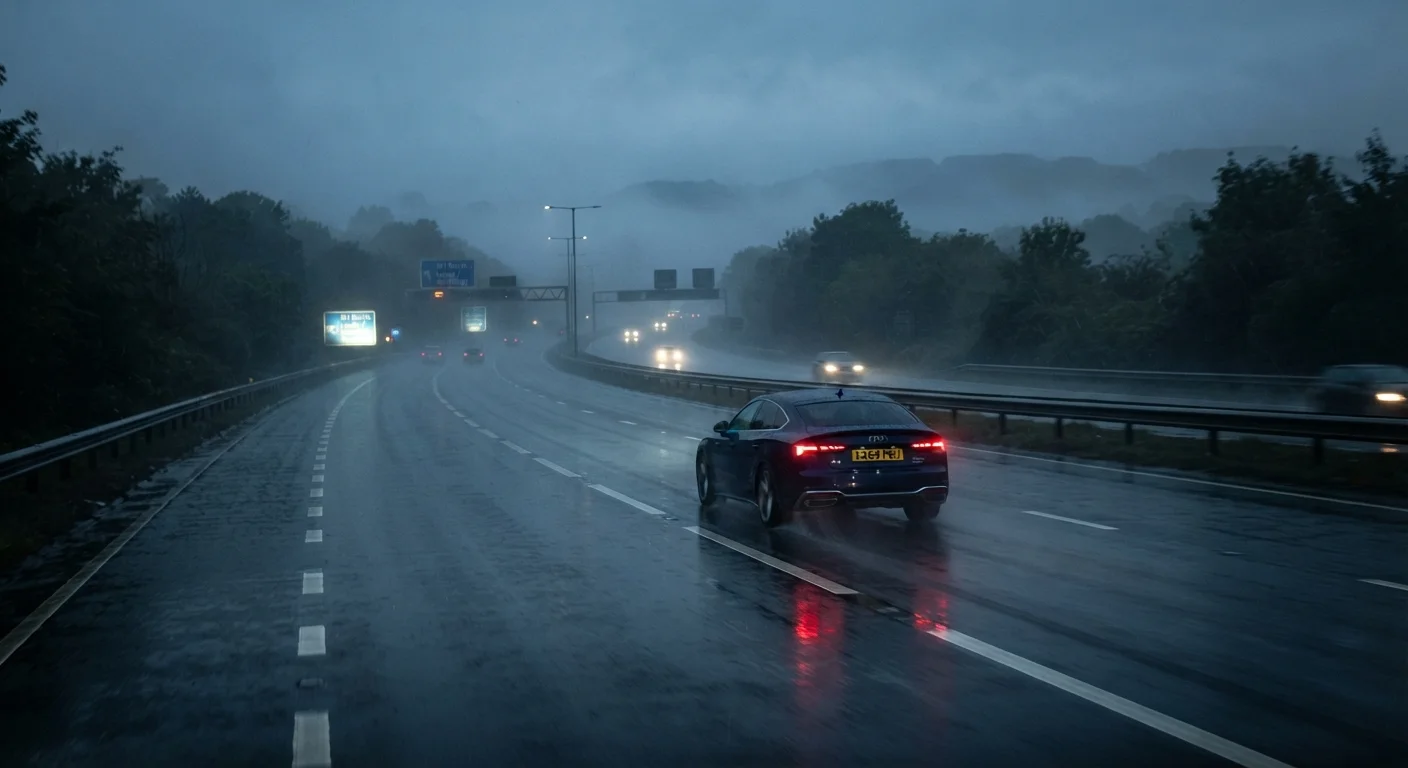
Photo credit: Glowwwatch.com
In this article
Wet roads, icy surfaces, and low visibility each demand different adjustments. This guide explains how to adapt your driving for each condition.
Key Takeaways
- Wet, icy, and foggy conditions each require distinct driving adjustments — one approach fits all.
- Slowing down and increasing following distance are the most effective actions in nearly every adverse condition.
- Hydroplaning, black ice, and fog-induced speed blindness are three hazards drivers commonly underestimate.
- Tire condition, headlight use, and windshield clarity matter more in bad weather than at any other time.
- If conditions become genuinely dangerous, pulling over and waiting is always a valid choice.
Why Road Conditions Demand More Than Just Slowing Down
Most drivers know to ease off the gas when it rains. But simply going slower doesn't account for how fundamentally different each adverse condition actually is. Rain reduces tire grip and can cause hydroplaning. Snow compresses into ice under your tires. Fog distorts your sense of speed and distance in ways that feel subtle until something goes wrong.
This guide breaks each condition into what's actually happening physically and what you should do differently as a result. For a broader foundation on safe driving habits, see our introduction for new drivers — the principles there apply in all weather. Before any drive in poor conditions, it's also worth running through a pre-trip safety checklist to confirm your lights, wipers, and tires are ready.
What you will need
Driving in Rain
Rain creates a film of water between your tires and the road surface. At low speeds, tire tread channels that water away effectively. At higher speeds, or on worn tires, that drainage can't keep up — and your car begins to ride on water rather than pavement. This is hydroplaning, and when it happens you lose steering control almost entirely until your tires reconnect with the road.
What to do: Reduce speed gradually before entering wet sections, not during them. Keep both hands on the wheel. Avoid sudden braking or sharp steering inputs — smooth is the word that matters most in rain. Increase your following distance significantly; the two-second rule should extend to at least four seconds on wet roads. Turn on your headlights — in many states it's required by law when wipers are running, and it helps others see you. If you feel the car float or the steering go light, ease off the accelerator gently and hold the wheel steady until grip returns. Do not brake hard.
Good Tires Are Your First Line of Defense
In rain, everything depends on what's between your car and the road. Tires with worn tread cannot channel water effectively, dramatically increasing hydroplaning risk. Check tread depth regularly and replace tires before they become a safety issue — not after. Proper inflation also matters; underinflated tires reduce contact patch performance in wet conditions.
Driving in Snow and Ice
Snow and ice are not the same problem. Fresh snow offers some texture for tires to grip. Packed snow is more slippery. Black ice — a thin, nearly invisible glaze that forms when moisture freezes on pavement — is the most dangerous of all because it looks like a wet road until you're already on it. Bridges, overpasses, and shaded sections of road freeze first.
What to do: Drop your speed well below posted limits — not because the law requires it, but because stopping distances on ice can be ten times longer than on dry pavement. Accelerate and brake slowly. If your vehicle has antilock brakes (ABS), apply firm steady pressure and let the system pulse the brakes; don't pump them. If you begin to skid, steer in the direction you want the front of the car to go and avoid mashing the brakes. Give yourself extra time — rushing in icy conditions contributes directly to crashes. Ensure your tires have adequate tread depth; worn tires on snow are a serious hazard. For year-round vehicle readiness, the car maintenance hub covers tire checks and seasonal prep.
Black Ice Looks Like Wet Pavement
Black ice is nearly transparent and forms most commonly on bridges, overpasses, and shaded road sections — often before ice appears elsewhere. If the road looks wet but your car suddenly feels unusually quiet and light underneath, you may be on black ice. Ease off the gas, avoid braking, and steer as straight as possible until you're across it.
Driving in Fog
Fog is a visibility problem, but it also creates a less obvious one: speed blindness. When you can only see a short distance ahead, your brain adjusts its sense of how fast you're moving and often underestimates it. Drivers routinely enter fog going faster than they realize.
What to do: Use low-beam headlights — not high beams, which reflect off fog particles and reduce your visibility further. If your vehicle has rear fog lights, use them so drivers behind you can see you sooner. Slow down to a speed where you can stop within your visible distance ahead. Open your window slightly if needed to listen for traffic you can't see. Avoid stopping on the roadway if at all possible; if you must pull over, get completely off the pavement and turn on your hazard lights. Fog shares the visibility challenge of nighttime driving — the habits that reduce risk on dark roads apply here as well.
When to Pull Over and Wait
There are conditions where the safest decision is not to drive at all. Whiteout snow, dense fog that cuts visibility to a car length, or freezing rain that glazes roads faster than you can adapt — these aren't situations to push through unless you have no other option.
Find a safe place off the roadway entirely — a parking lot, rest area, or well-lit side street — and wait for conditions to improve. Staying in your vehicle is generally safer than standing outside near traffic. Keep your hazard lights running so approaching drivers can see you are stopped.
Understanding how conditions change across different road types matters too. The differences between highway and city driving become even more pronounced in bad weather, where highway speeds leave less margin for error and urban intersections create more friction points. For a full picture of how weather fits into overall safe driving, see our comprehensive safe driving resource.

Author
Autos Editorial Team
Autos Editorial Team is the collective byline for our editorial team and contributor network. Articles published under this byline or an editorial pen name are researched, written, and reviewed according to our editorial standards for clarity, consistency, and independence before publication.
View all articles →