
Highway Driving vs. City Driving: The Skills Each Demands
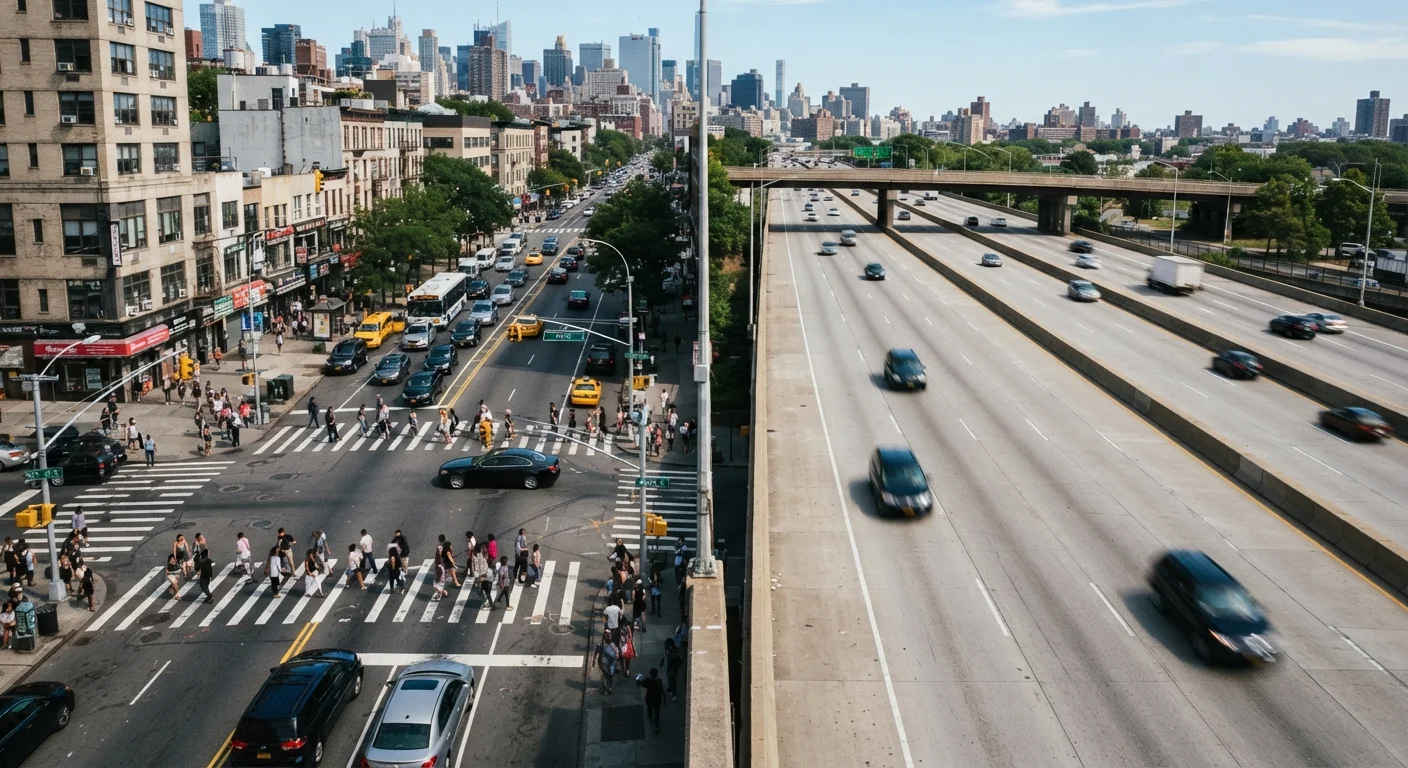
Photo credit: Glowwwatch.com
In this article
Merging at speed and navigating intersections require very different techniques. Here's how the demands of highway and urban driving compare.
Key Takeaways
- Highway driving demands sustained attention, smooth lane changes, and managing higher speeds safely.
- City driving requires constant vigilance at intersections, pedestrian awareness, and short reaction windows.
- Both environments benefit from defensive driving habits and scanning well ahead of your vehicle.
- Drivers who struggle in one environment often lack specific practice in its unique hazards.
- Fatigue is a greater risk on highways; distraction is a greater risk in urban settings.
Why the Two Environments Demand Different Thinking
It's tempting to treat driving as one single skill, but the reality is that a seasoned highway commuter can feel rattled on a narrow city street — and a confident urban driver can get anxious merging onto an interstate at 65 mph. That's not a character flaw; it reflects the fact that each environment genuinely rewards different habits.
Highways are about sustaining high-speed awareness over long stretches. Cities are about processing a high volume of fast-changing information in a compressed space. Both demand solid defensive driving technique, but the ways that technique shows up look quite different.
| Highway Driving | City Driving | |
|---|---|---|
| Typical speed range | 55–75 mph | 15–35 mph |
| Primary hazard | Driver fatigue, tailgating, high-speed merging | Intersections, pedestrians, cyclists |
| Key skill | Sustained focus, smooth lane changes | Active scanning, quick hazard recognition |
| Following distance needed | 3+ seconds at minimum | 2–3 seconds, more in stop-and-go |
| Decision-making pace | Fewer decisions, higher consequence | Frequent decisions, shorter windows |
| Distraction risk | Highway hypnosis, monotony | Information overload, frequent stimuli |
Highway Driving: Skills That Matter Most
The biggest adjustment on a highway is managing space at speed. At 65–70 mph, your vehicle travels roughly 100 feet per second. Following too closely removes any margin for error when traffic ahead brakes suddenly. A common guideline is the three-second rule: pick a fixed object ahead and make sure at least three seconds pass between when the car in front of you passes it and when you do. In poor weather, extend that cushion further — for more on that, see how road conditions change everything.
Merging is another highway-specific skill. Done well, it means matching the speed of traffic before entering the lane — not stopping at the end of the on-ramp and hoping someone lets you in. Shoulder checking, using mirrors effectively, and signaling early all contribute to a smooth, safe merge.
Driver fatigue is a highway-specific hazard that gets underestimated. Monotonous stretches can lull drivers into a kind of highway hypnosis, where attention drifts without the driver fully realizing it. Taking breaks every two hours on long drives is a widely recommended practice for staying alert.
Use the Three-Second Rule Consistently
Choose a stationary object — a sign or overpass — and count how long it takes your vehicle to reach it after the car ahead passes it. Three seconds is a reasonable minimum in good conditions; double it in rain or low visibility. This simple check helps you maintain a safe following distance without guessing.
City Driving: Skills That Matter Most
Urban environments compress decision-making. Intersections, crosswalks, cyclists, delivery vehicles, and unpredictable pedestrian behavior all compete for your attention within a few city blocks. The core skill here is active scanning — continuously checking mirrors, looking well ahead, and anticipating movement rather than just reacting to it.
Intersections deserve extra attention. A significant share of urban crashes occur at or near intersections, even when drivers have a green light. Treating a green as permission to proceed — rather than confirmation it's safe — is a mental shift that can prevent serious collisions. Looking left, right, and left again before entering an intersection is a simple habit worth keeping.
Parking lots and tight maneuvers in city traffic also trip up drivers more than expected. Merging, reversing, and navigating roundabouts are spots where even experienced drivers make avoidable mistakes. Slowing down earlier than feels necessary, and giving vulnerable road users — pedestrians, cyclists, scooters — generous space, are practical defaults in dense urban conditions.
Building Competence in Both Environments
If you feel less confident in one environment, deliberate practice is the straightforward fix. New drivers especially benefit from structured exposure to both settings before assuming their skills transfer automatically. Foundational road habits learned early apply in both environments, but there's no substitute for actual time behind the wheel in each one.
A few transferable habits work everywhere:
- Scan well ahead — the farther you look down the road, the more time you have to respond.
- Keep a buffer — space around your vehicle is your safety margin, whether at 65 mph or 25 mph.
- Minimize in-car distractions — phones, passengers, and navigation demands are a factor in crashes across all road types.
- Signal intentions early — other drivers and pedestrians can only react to what they can predict.
The full picture of safe driving goes beyond any single environment. Understanding what each road type demands helps you adapt your habits rather than rely on one-size-fits-all driving behavior.

Author
Autos Editorial Team
Autos Editorial Team is the collective byline for our editorial team and contributor network. Articles published under this byline or an editorial pen name are researched, written, and reviewed according to our editorial standards for clarity, consistency, and independence before publication.
View all articles →