
The Two-Second Rule and Other Following Distance Guidelines
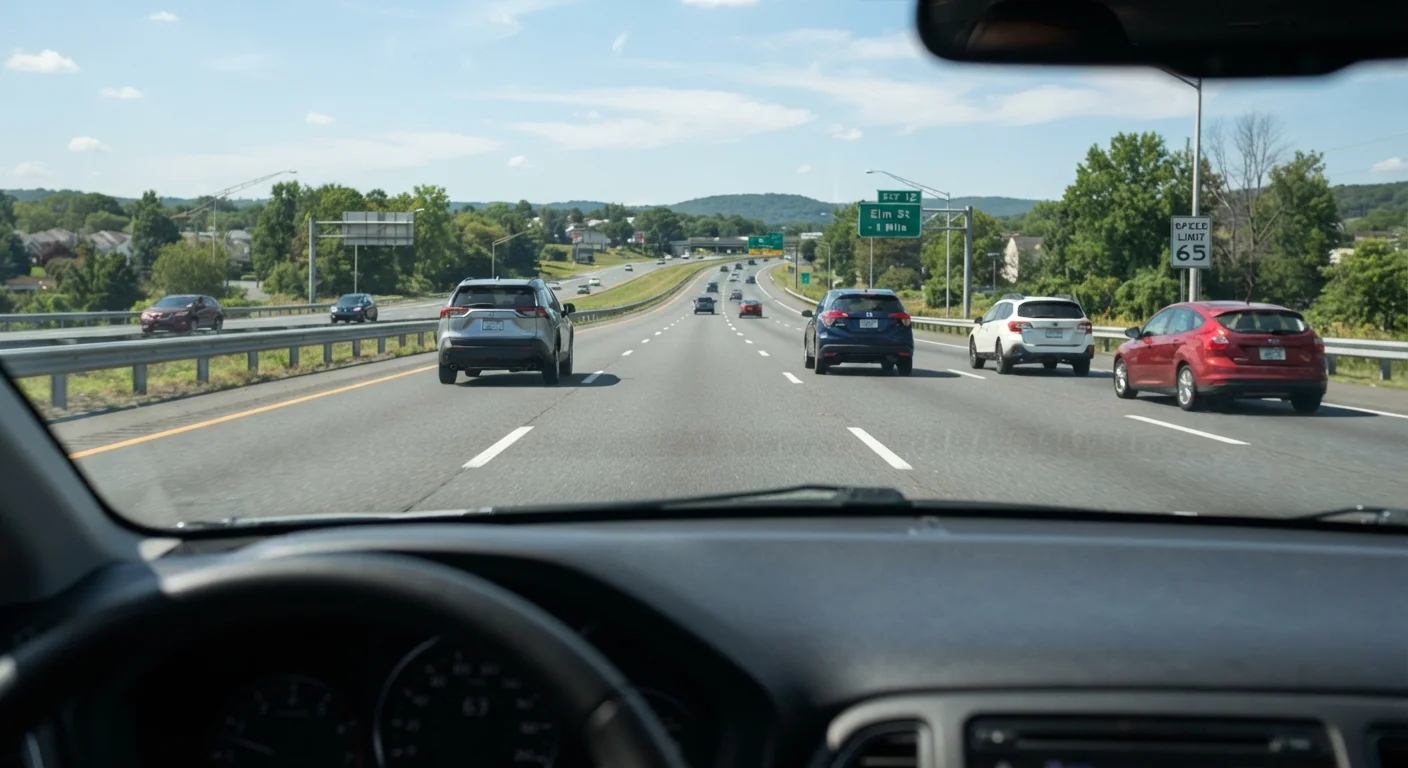
Photo credit: Glowwwatch.com
In this article
Learn how the two-second rule works, when to extend it, and how following distance changes with speed, weather, and vehicle type.
What the Two-Second Rule Actually Means
The two-second rule is a simple method for estimating a safe following distance behind the vehicle ahead of you. Here's how it works: pick a fixed point on the road — a sign, a bridge, a shadow — and watch when the car in front passes it. Then count off two seconds. If you reach that same point before you finish counting, you're following too closely.
The rule works at most everyday speeds because the gap it creates automatically scales with how fast you're traveling. At 30 mph you need less physical space than at 65 mph, and two seconds of time naturally accounts for that. It's easier to apply than memorizing feet-based distances, which is why driving instructors and safety organizations commonly recommend it.
That said, two seconds is a minimum baseline — not a safety guarantee. It assumes dry pavement, alert driving, and a vehicle in good mechanical condition. When any of those factors change, you need more distance.
| Baseline following distance | 2 seconds (minimum, dry roads) |
| Recommended gap in rain | 4 seconds or more |
| Recommended gap on ice/snow | 6+ seconds |
| Average driver reaction time | ~1.5 seconds (alert, unimpaired) |
| Approx. stopping distance at 60 mph | 300+ feet on dry pavement (General engineering estimates; varies by vehicle and conditions) |
| For large/heavy vehicles | Add extra buffer beyond standard guidelines |
When to Use Three, Four, or More Seconds
Several conditions call for extending your following gap well beyond two seconds:
- Wet or icy roads: Stopping distances can double or even triple on slick pavement. Bumping up to four seconds in rain and six or more on snow and ice is a reasonable starting point. See how to adapt your driving in rain, snow, and fog for more on adjusting for conditions.
- High speeds: At freeway speeds (65–75 mph), three seconds gives your brain and brakes adequate time to respond to a sudden stop ahead.
- Large or heavy vehicles: Trucks, RVs, and vehicles towing trailers take significantly longer to stop. If you're driving one of these — or following one — add extra buffer.
- Poor visibility: Fog, heavy rain, glare, and nighttime driving all reduce your reaction window. More space compensates for what you can't see as quickly.
- Distracted or fatigued driving: Your reaction time degrades when you're tired or mentally divided. Extra distance helps cover the difference.
- New or inexperienced drivers: Building a habit of four or more seconds early on creates a margin for error while skills develop. Teen drivers face elevated crash risk in their first two years — conservative following distance is one practical safeguard.
Two Seconds Is a Floor, Not a Target
Many drivers treat two seconds as the ideal and only extend it grudgingly. It's more useful to think of two seconds as the absolute minimum under ideal conditions. In everyday driving — mixed traffic, varying weather, aging tires — three to four seconds is a more practical default. A little extra space rarely costs you meaningful time on a trip, and it can make the difference in a close-call situation.
Following Distance, Reaction Time, and Stopping Distance
Understanding why these rules exist makes them easier to apply consistently. When something unexpected happens ahead of you — a car braking hard, a pedestrian stepping into the road — your response involves two phases:
- Reaction time: The time it takes your brain to register the hazard and move your foot to the brake. For an alert driver, this is typically around 1.5 seconds. Fatigue, distraction, or impairment can push it higher.
- Braking distance: The physical distance your vehicle needs to come to a complete stop once the brakes engage. This depends on your speed, tire condition, brake condition, and road surface.
Add those two together and you get total stopping distance. At 60 mph on dry pavement, a typical passenger car may need 300 feet or more to stop completely. Two seconds at 60 mph is about 176 feet — which is why conditions that extend stopping distance should push your following gap beyond the minimum.
Tailgating eliminates this buffer entirely, leaving no margin if anything goes wrong. For a broader foundation in safe driving habits, our complete introduction for new drivers covers following distance alongside other core skills.

Author
Autos Editorial Team
Autos Editorial Team is the collective byline for our editorial team and contributor network. Articles published under this byline or an editorial pen name are researched, written, and reviewed according to our editorial standards for clarity, consistency, and independence before publication.
View all articles →