
Night Driving Habits That Reduce Risk on Dark Roads
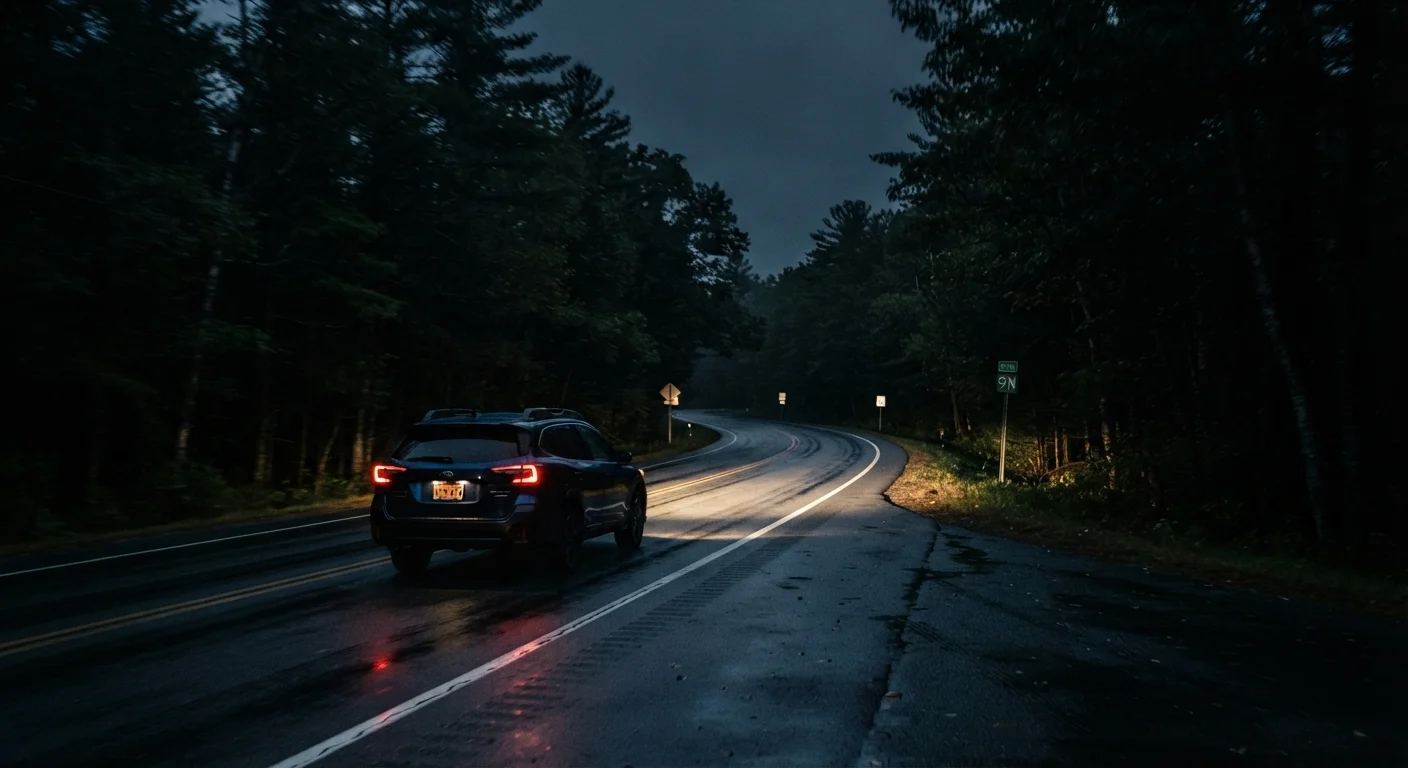
Photo credit: Glowwwatch.com
In this article
Reduced visibility and driver fatigue make nighttime driving riskier. These evidence-based habits help you stay alert and see more of the road.
Key Takeaways
- Fatal crash rates are significantly higher at night despite fewer vehicles on the road.
- Clean, properly aimed headlights can meaningfully extend how far you see ahead.
- Slowing down gives you more time to react to hazards your headlights haven't yet revealed.
- Fatigue and impairment are more common at night and compound visibility problems.
- Simple cabin adjustments — like dimming your dashboard — help preserve night vision.
Why Night Driving Is Genuinely More Dangerous
About 50% of traffic fatalities occur at night, according to the National Safety Council — even though nighttime accounts for a much smaller share of total miles driven. That gap isn't a coincidence. Low light reduces how far and how clearly you can see, slows your depth perception, and makes it harder to judge the speed of oncoming vehicles.
Add in the fact that fatigue peaks in the late evening and early morning hours, and you have conditions that demand more from a driver than a sunny afternoon commute ever would. Understanding what works against you after dark is the first step toward driving through it more safely. For a broader look at foundational safe driving habits, see our introduction for new drivers.
~50%
Of fatal crashes occur at night
According to the National Safety Council, roughly half of all traffic fatalities happen during nighttime hours despite lower traffic volumes.
160–200 ft
Typical low-beam headlight range
Standard low-beam headlights illuminate approximately 160 to 200 feet ahead — a distance that can be shorter than stopping distance at highway speeds.
3x
Higher fatality rate per mile at night
The National Safety Council estimates the traffic death rate per mile driven is roughly three times higher at night than during daylight hours.
Proven Habits That Make a Difference
The following practices are grounded in how human vision works at night and how vehicle lighting actually performs. None of them require special equipment or advanced skills — just deliberate adjustments to how you drive after dark.
Slow down to match your headlight range
Standard low-beam headlights illuminate roughly 160–200 feet ahead. At 60 mph, your stopping distance can exceed that, meaning you may not have enough road to stop for a hazard you can only just see. Reducing speed gives your reaction time a fighting chance.
Keep your headlights and windshield clean
Dirty headlight lenses scatter light instead of projecting it forward, cutting your effective range without you realizing it. A film on the inside of your windshield also creates significant glare from oncoming lights, reducing contrast and making it harder to spot pedestrians or cyclists.
Use high beams on unlit roads — and drop them for oncoming traffic
High beams can extend your forward visibility from around 160 feet to 350–400 feet on dark roads. Many drivers underuse them out of habit. The flip side is dropping back to low beams at the right distance from oncoming or leading vehicles to avoid blinding other drivers.
Dim your dashboard and interior lights
Bright interior lighting causes your pupils to constrict, which reduces how well your eyes adjust to the dark outside the vehicle. Most modern dashboards have a brightness control specifically for nighttime use.
Increase your following distance
At night, you have less time to read the road ahead and react to brake lights in front of you. A larger gap between you and the vehicle ahead gives you more room to respond — especially important when fatigue may already be slowing your reaction time.
Avoid looking directly at oncoming headlights
Staring into bright oncoming lights can temporarily impair your night vision and cause a "blinding" effect that takes several seconds to recover from. Shifting your gaze to the right edge of your lane helps maintain your visual orientation without losing road tracking.
Managing Fatigue and Impairment After Dark
Visibility isn't the only hazard at night. Drowsy driving is most common between midnight and 6 a.m., and even moderate fatigue measurably slows reaction time. If you notice heavy eyelids, drifting lane position, or trouble remembering the last few miles, treat those as hard stops — not suggestions to push through. Pull off safely, take a break, or switch drivers if possible.
Alcohol and certain medications also hit harder at night, when fatigue is already stacking up. Even a legal blood-alcohol level can interact with tiredness to significantly degrade judgment. To understand more about how impairment and distraction affect your driving in overlapping ways, see our piece on distracted and impaired driving. And for a closer look at what your body signals before drowsiness becomes dangerous, read our guide on driver fatigue warning signs.
“Drowsy driving is a serious public health issue that claims thousands of lives each year. The most effective countermeasure is simple: if you feel drowsy, pull off the road safely and sleep.”
— National Highway Traffic Safety Administration, U.S. federal road safety agency
Quick Actions You Can Take Tonight
You don't need to overhaul your routine to drive more safely after dark. A handful of small, consistent habits compound into meaningfully lower risk over time. Start with the most impactful ones below, then build from there.
Night driving in combination with rain or fog creates additional layered challenges. Our guide on driving in difficult weather conditions covers how to adapt when visibility degrades even further.

Author
Autos Editorial Team
Autos Editorial Team is the collective byline for our editorial team and contributor network. Articles published under this byline or an editorial pen name are researched, written, and reviewed according to our editorial standards for clarity, consistency, and independence before publication.
View all articles →