
Defensive Driving: What It Actually Means Behind the Wheel
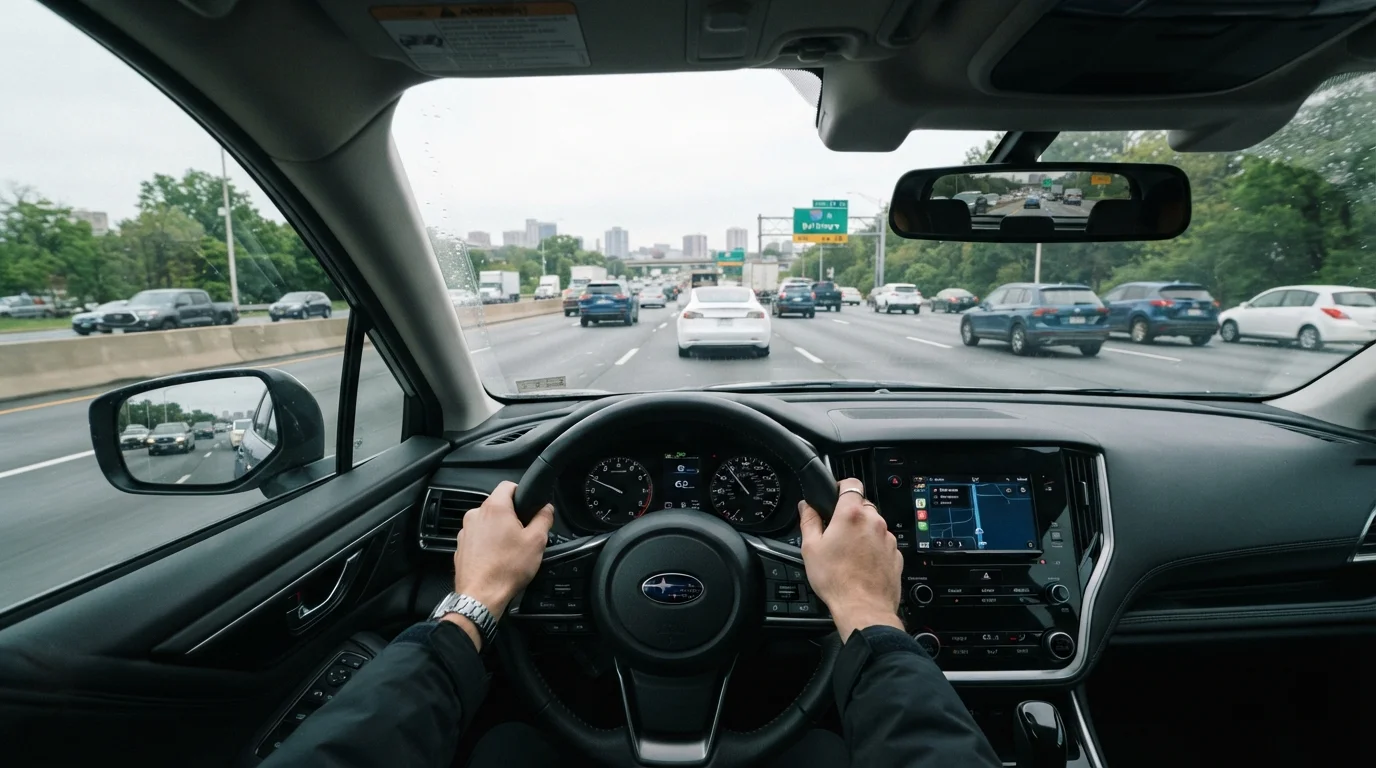
Photo credit: Glowwwatch.com
In this article
Defensive driving is more than cautious speed. Learn the core principles that help drivers anticipate hazards and reduce collision risk.
Key Takeaways
- Defensive driving is about anticipating hazards, not just driving slowly or carefully.
- Maintaining a safe following distance is one of the most impactful defensive habits you can build.
- Scanning well ahead — not just the car in front — gives you more time to react.
- Your mindset behind the wheel matters as much as your mechanical skill.
- Most collisions involve at least one preventable decision made seconds earlier.
More Than Just Driving Slowly
Ask most people what defensive driving means, and they'll say something like "going under the speed limit" or "being careful." That's only a fraction of it. True defensive driving is an active, alert approach to operating a vehicle — one that assumes other drivers, pedestrians, and road conditions will not always behave as expected.
The core idea is simple: give yourself time and space to respond to problems before they become crashes. That requires scanning further ahead, managing your position on the road, and treating every drive as an environment where unpredictable things can happen — because they can.
If you're new to driving or want a broader foundation, our introduction for new drivers covers the foundational habits that support everything discussed here.
94%
Crashes attributed to human choice or error
The National Highway Traffic Safety Administration (NHTSA) has estimated that human factors — including driver error, impairment, and distraction — are a critical reason in the vast majority of motor vehicle crashes.
3 sec
Minimum recommended following distance
The three-second rule is a standard guideline taught in driver education programs across the US to help drivers maintain adequate stopping distance.
~40,000
Annual US traffic fatalities
NHTSA data consistently shows roughly 38,000–43,000 traffic deaths per year in the United States, underscoring why proactive crash prevention matters.
The Core Principles of Defensive Driving
Defensive driving comes down to a handful of consistent habits applied every time you're behind the wheel.
Look further ahead than the car in front of you
Most drivers watch the vehicle immediately ahead. Defensive drivers scan 10–15 seconds down the road — enough distance to see brake lights clustering, a merging vehicle, or a stopped car in the lane ahead. This additional lead time is where most close calls get avoided.
Maintain a buffer of space in all directions
Following distance is the clearest measure of how much time you have to stop. The three-second rule is a reliable baseline: if the car ahead passes a fixed point, you should be able to count to three before you reach the same spot. Tailgating is more dangerous than most drivers realize — stopping distances are longer than instinct suggests, especially at highway speeds.
Assume other drivers will make mistakes
This isn't pessimism — it's practical. When you assume other drivers may run a red light, merge without signaling, or brake suddenly, you stay alert to those possibilities. You're not surprised; you're prepared.
Eliminate distractions deliberately
A phone, a heated conversation, or a distracted glance at the GPS breaks your hazard perception loop. Defensive driving requires consistent attention, which means actively managing anything that pulls it away.
Build the Scan Habit Before You Need It
Practice looking 10–15 seconds ahead on every drive, including calm, familiar routes. The habit needs to be automatic before it helps you in genuinely difficult situations. Treat low-stakes trips as training ground for high-stakes ones.
Control your emotional state
Frustration and impatience lead to rushed decisions. Aggressive driving is the opposite of defensive driving. If you're pressed for time or irritated by traffic, those pressures tend to compress your reaction window rather than expand it. Our related article on road rage and how to protect yourself covers this dynamic in detail.
Where Defensive Driving Gets Tested
Certain driving situations put these principles under real pressure. Intersections are where a large share of collisions occur — cross-traffic may not stop, and green lights don't guarantee a clear path. A brief check left and right before entering an intersection is a small habit with significant upside.
Merging and lane changes are another common friction point. Defensive drivers signal early, check mirrors and blind spots, and avoid lingering alongside other vehicles. Even experienced drivers make avoidable errors in these exact situations.
Highway driving introduces different demands — higher speeds, wider sight lines, and faster consequences. City driving trades speed for density and complexity. Both environments reward the same core skills: space management, early hazard recognition, and calm decision-making. See how these environments compare in our article on highway vs. city driving skills.
Putting It Into Practice
Defensive driving isn't a technique you switch on for difficult conditions and off on easy routes. It becomes useful precisely because it's applied consistently — on the familiar commute where your guard is down as much as in a storm on an unfamiliar road.
A good mental exercise: after every drive, briefly consider whether there were moments you could have anticipated a problem earlier. Over time, this kind of low-key self-review sharpens your hazard perception without requiring any special equipment or formal training.
For a comprehensive look at safe driving from every angle, including weather conditions, fatigue management, and traffic law, see our complete safe driving resource.
“The goal of defensive driving is to reduce risk by anticipating dangerous situations despite adverse conditions and the mistakes of others.”
— National Safety Council, US nonprofit focused on workplace and road safety education
Frequently Asked Questions

Author
Autos Editorial Team
Autos Editorial Team is the collective byline for our editorial team and contributor network. Articles published under this byline or an editorial pen name are researched, written, and reviewed according to our editorial standards for clarity, consistency, and independence before publication.
View all articles →