
Road Rage: What Triggers It and How to Protect Yourself
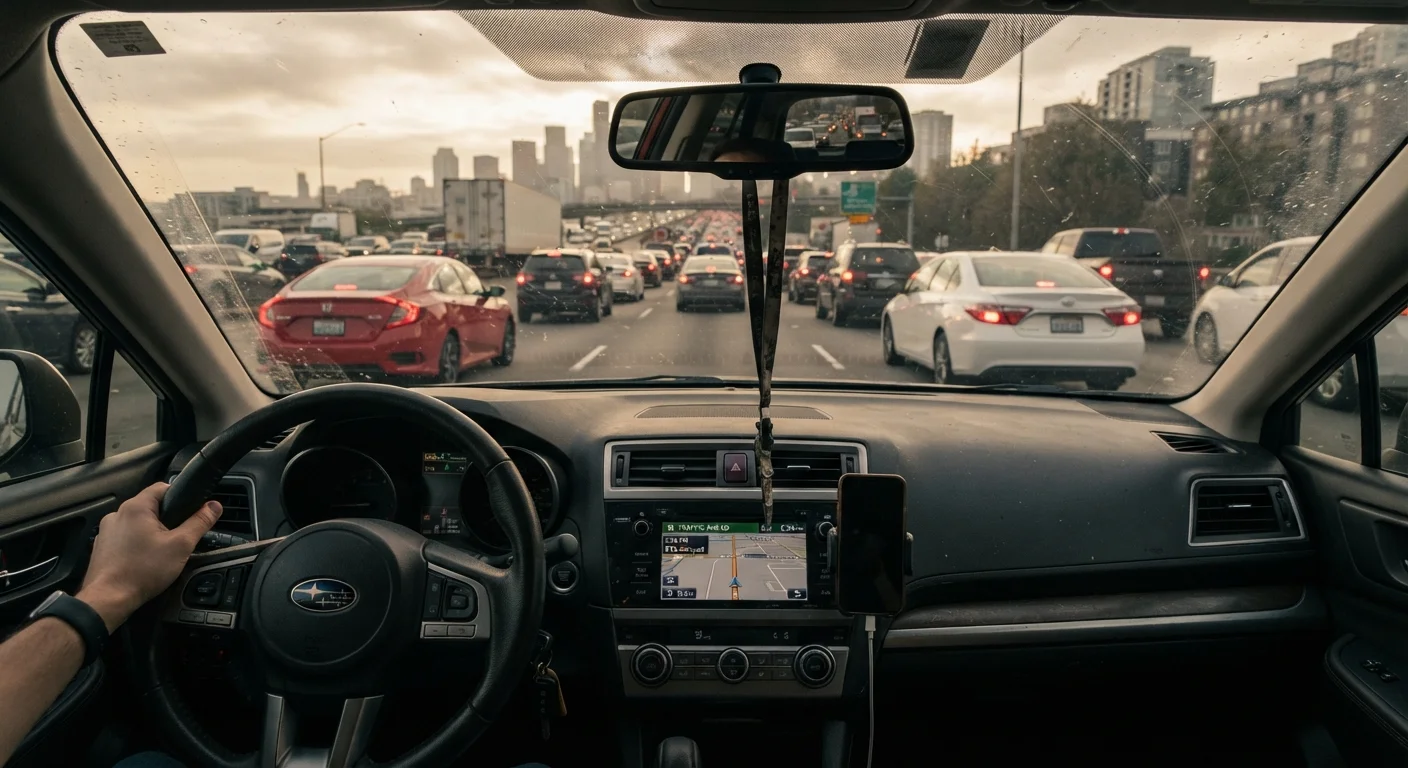
Photo credit: Glowwwatch.com
In this article
Road rage incidents are more common than many drivers expect. Learn what fuels aggressive driving and how to de-escalate tense situations safely.
Key Takeaways
- Road rage is deliberate aggressive behavior — not just frustration — and can have serious legal and safety consequences.
- Common triggers include traffic delays, being cut off, tailgating, and general stress carried into the car.
- De-escalation is almost always the safest response; do not engage with an aggressive driver.
- If you feel targeted, drive to a public place or police station — do not go home.
- Your own driving habits can reduce the chance of accidentally provoking a confrontation.
What Actually Causes Road Rage
Road rage rarely comes from nowhere. Most incidents trace back to a combination of environmental triggers and the internal state of the driver behind the wheel.
The most commonly reported external triggers include:
- Being cut off or merged into without warning
- Tailgating — both experiencing it and feeling pressured by it
- Slow drivers in the left (passing) lane blocking traffic flow
- Unexpected stops, sudden lane changes, or erratic behavior
- Traffic congestion and long delays, especially when running late
But external triggers are only part of the equation. Internal factors matter just as much. Drivers who are sleep-deprived, running late, dealing with personal stress, or simply uncomfortable (hot car, long commute) are measurably more reactive. The car can feel like a private space where normal social filters disappear — what psychologists sometimes call disinhibition — making it easier to act out in ways a person never would face-to-face.
80%
Drivers who reported road rage in the past year
According to AAA Foundation for Traffic Safety research, roughly 8 in 10 US drivers reported expressing significant anger, aggression, or road rage at least once in the previous year.
~50%
Aggressive driving crashes involving speeding
The NHTSA has consistently found that speeding — a common element of aggressive driving — is a contributing factor in roughly half of all US traffic fatalities.
7 in 10
Drivers who felt unsafe due to another driver
AAA Foundation surveys have found that a large majority of drivers reported at least one experience in the past year where another driver's aggressive behavior made them feel personally unsafe.
Understanding these triggers is the first step. The second is knowing what to do when tensions rise — whether it's another driver's anger or your own.
How to De-Escalate When Another Driver Is Aggressive
When another driver is behaving aggressively toward you, the safest path is almost always the same: disengage. This is easier said than done in the moment, but it works.
Do not respond in kind
Returning a gesture, leaning on your horn, or brake-checking an aggressive driver escalates the situation rapidly. Even if you're in the right, matching aggression gives the other driver more fuel. It also puts you at greater legal and physical risk.
Create distance
If someone is tailgating or following you aggressively, change lanes when it's safe, slow down gradually, or take an exit. Your goal is to separate yourself from the threat — not to prove a point about right-of-way.
Avoid eye contact
Direct eye contact can be interpreted as a challenge. Keep your gaze on the road ahead. If the driver pulls alongside you, do not look over.
If you feel followed, do not go home
Drive to a police station, fire station, or busy public place. Stay in your locked car and call 911 if you believe you're being followed or threatened. This is a situation where personal safety takes clear priority.
Your Safest Move: Drive Away
If an aggressive driver is targeting you, resisting the urge to respond is the single most effective thing you can do. Drive calmly to a public location, keep your doors locked, and contact law enforcement if you feel threatened. No argument on the road is worth a physical confrontation.
For a broader look at how aggressive driving fits into the bigger picture of traffic safety, see our comprehensive safe driving guide.
Managing Your Own Frustration Behind the Wheel
It's worth being honest: most drivers have felt road rage, even briefly. Recognizing it in yourself — before it leads to a bad decision — is genuinely useful.
A few practical strategies that can help:
- Give yourself extra time. Running late is one of the most reliable precursors to aggressive driving. Building a buffer into your commute reduces the stakes of every delay.
- Assume the best. The driver who cut you off was probably not targeting you personally — they may be distracted, confused, or dealing with an emergency. Charitable assumptions short-circuit the anger response.
- Use your breathing. When you feel your grip tighten on the wheel, a few slow, deliberate breaths can interrupt the physiological stress response before it becomes an action.
- Check in before you drive. If you're already agitated, give yourself a few minutes before putting the car in gear. Anger carried from home or work doesn't stay in the driveway.
Your habits as a driver also matter. Consistent use of turn signals, avoiding unnecessary horn use, and staying out of the passing lane when not overtaking all reduce the chances of you unintentionally triggering frustration in other drivers. See common driving errors that even careful drivers make for situations where good habits can slip.
Road rage incidents sometimes escalate into collisions. If that happens, knowing what to do after a fender-bender can help you respond calmly and correctly at the scene.
Frequently Asked Questions

Author
Autos Editorial Team
Autos Editorial Team is the collective byline for our editorial team and contributor network. Articles published under this byline or an editorial pen name are researched, written, and reviewed according to our editorial standards for clarity, consistency, and independence before publication.
View all articles →