
Understanding Sunlight: Full Sun, Part Shade, and Everything Between
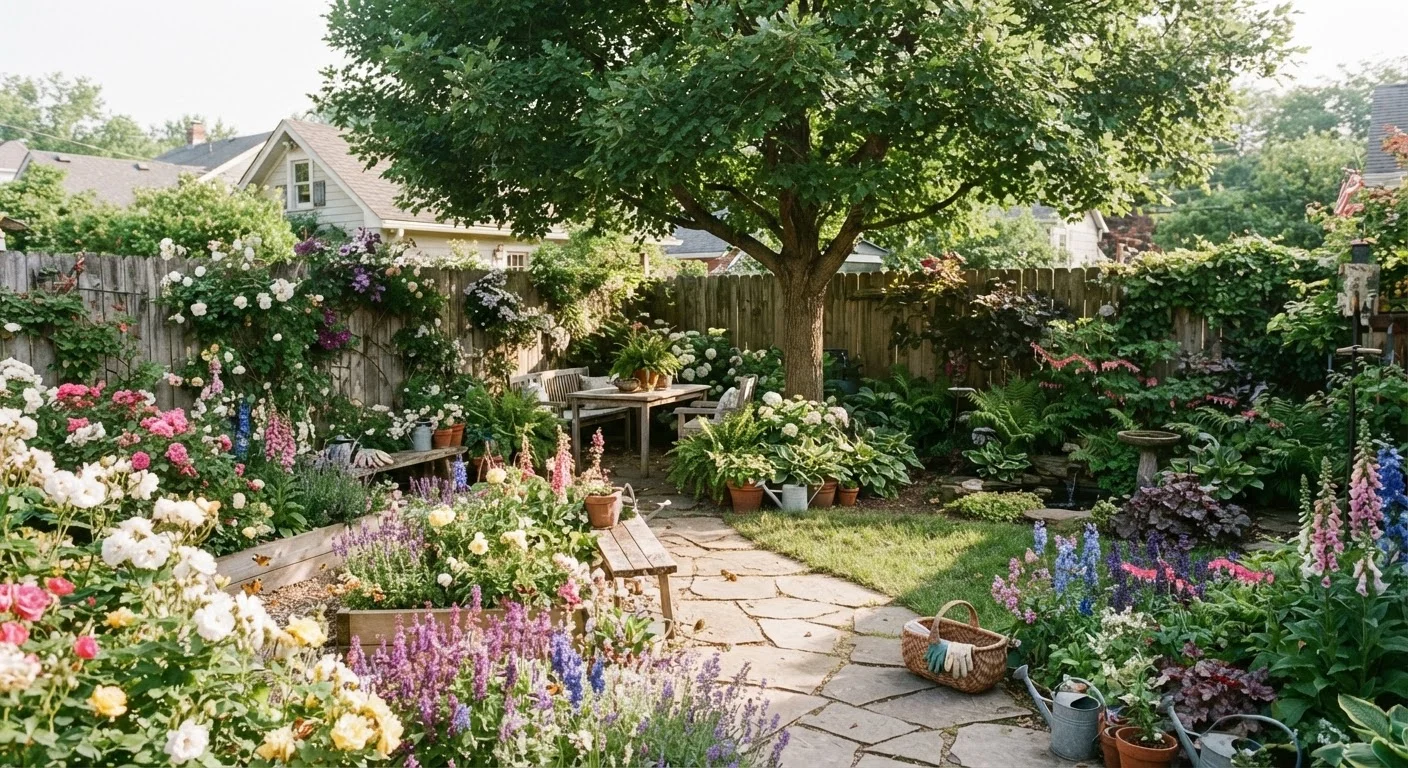
Photo credit: Glowwwatch.com
In this article
A clear reference explaining what sunlight labels on plant tags mean, how to measure light in your yard, and which plants suit each condition.
What Sunlight Labels Actually Mean
When you pick up a plant tag at the nursery, you'll almost always see a sunlight requirement listed — but terms like full sun, part shade, and full shade can feel vague without a concrete reference. These categories are based on the number of hours of direct sunlight a spot receives each day, not how bright a yard looks overall.
| Full Sun | 6+ hours of direct sun/day (Standard U.S. horticulture industry definition) |
| Part Sun / Part Shade | 3–6 hours of direct sun/day (Standard U.S. horticulture industry definition) |
| Full Shade | Fewer than 3 hours of direct sun/day (Standard U.S. horticulture industry definition) |
| Best time to assess light | Late spring or early summer, clear day (When deciduous trees are fully leafed out) |
| Observation frequency | Check every hour from 8 a.m. to 6 p.m. (Simple DIY light-mapping method) |
Here's how to read the most common labels:
- Full Sun: 6 or more hours of direct sunlight per day. Most vegetables, roses, and many flowering perennials fall here.
- Part Sun / Part Shade: 3–6 hours of direct sun per day. The two terms overlap but carry a nuance — part sun plants lean toward the higher end and often need afternoon sun, while part shade plants do better with morning light and protection from harsh afternoon rays.
- Full Shade: Fewer than 3 hours of direct sun per day. This does not mean zero light — it means indirect or filtered light dominates.
- Dappled Shade: Sunlight filtered through a tree canopy. The intensity and duration shift throughout the day as the sun moves.
These labels are standardized across the U.S. horticulture industry, so they are reliable starting points when used alongside your own yard observations. To learn more about decoding the full range of information on a plant tag, see Reading a Plant Tag.
How to Measure Light in Your Own Yard
The most common beginner mistake is guessing at light levels rather than observing them. A spot that feels sunny at 9 a.m. may be heavily shaded by noon once the sun shifts behind a roofline or tree. Accurate light assessment takes a single day but saves an entire growing season.
A simple method: On a clear day, check the same spot every hour between 8 a.m. and 6 p.m. Note whether it is in direct sun, open shade, or dappled light. Count the hours of direct sun. Do this in late spring or early summer when deciduous trees are fully leafed out, since bare winter branches give a very different picture than summer canopy.
South-Facing vs. North-Facing Matters
In the Northern Hemisphere, south-facing garden beds and walls receive significantly more sun than north-facing ones. A bed on the south side of your house may qualify as full sun even if your yard feels partially shaded. East-facing spots get gentle morning sun; west-facing spots get intense afternoon sun — an important distinction for heat-sensitive plants.
Keep in mind that light conditions also shift with the seasons. A bed that gets 7 hours of sun in June may receive only 4 in September as the sun's angle lowers. If you're planting perennials or shrubs that will live in that spot for years, it's worth observing across multiple seasons. Once you have your light data, cross-reference it with your garden planning checklist before choosing plants.
Matching Plants to Your Light Conditions
Once you know your light zones, plant selection becomes much more straightforward. Mismatching a plant to its light requirement is one of the leading causes of poor garden performance — a sun-lover planted in shade will stretch toward light and produce few flowers; a shade-lover placed in full sun may scorch and wilt even with adequate water.
Full Sun
A garden condition where a spot receives 6 or more hours of direct, unobstructed sunlight per day. Most fruiting vegetables and many flowering annuals require full sun to thrive.
Part Shade
A condition with 3–6 hours of direct sun daily, typically with protection from intense afternoon sun. Part shade plants often prefer the gentler light of morning hours.
Full Shade
Fewer than 3 hours of direct sunlight per day, with ambient or filtered light for the remainder. Full shade does not mean complete darkness — most shade plants still need some indirect light.
Dappled Shade
Light that is filtered through a tree canopy, creating shifting patterns of sun and shadow. The intensity changes as the sun moves, making it distinct from consistent open shade.
Direct Sun
Sunlight that falls on a surface without any obstruction from structures, fences, or foliage. It is more intense than reflected or ambient light and is what sunlight-hour calculations are based on.
Common plants by light category:
| Light Category | Example Plants |
|---|---|
| Full Sun | Tomatoes, lavender, coneflower (echinacea), black-eyed Susan, zinnias |
| Part Sun / Part Shade | Astilbe, coral bells (heuchera), impatiens, most hydrangeas, lettuce |
| Full Shade | Hostas, ferns, bleeding heart, lily of the valley, wild ginger |
This table is a general guide — regional climate, humidity, and soil conditions all play a role. A plant listed as full sun in the Pacific Northwest may need part shade in the deep South to avoid heat stress. For a fuller picture of how soil interacts with plant health, see our Soil 101 guide. And if you're just getting started with gardening overall, Starting a Garden From Zero walks through the full process from site selection to planting.

Author
Home & Garden Editorial Team
Home & Garden Editorial Team is the collective byline for our editorial team and contributor network. Articles published under this byline or an editorial pen name are researched, written, and reviewed according to our editorial standards for clarity, consistency, and independence before publication.
View all articles →