
Reading a Plant Tag: The Small Label That Holds a Lot of Information
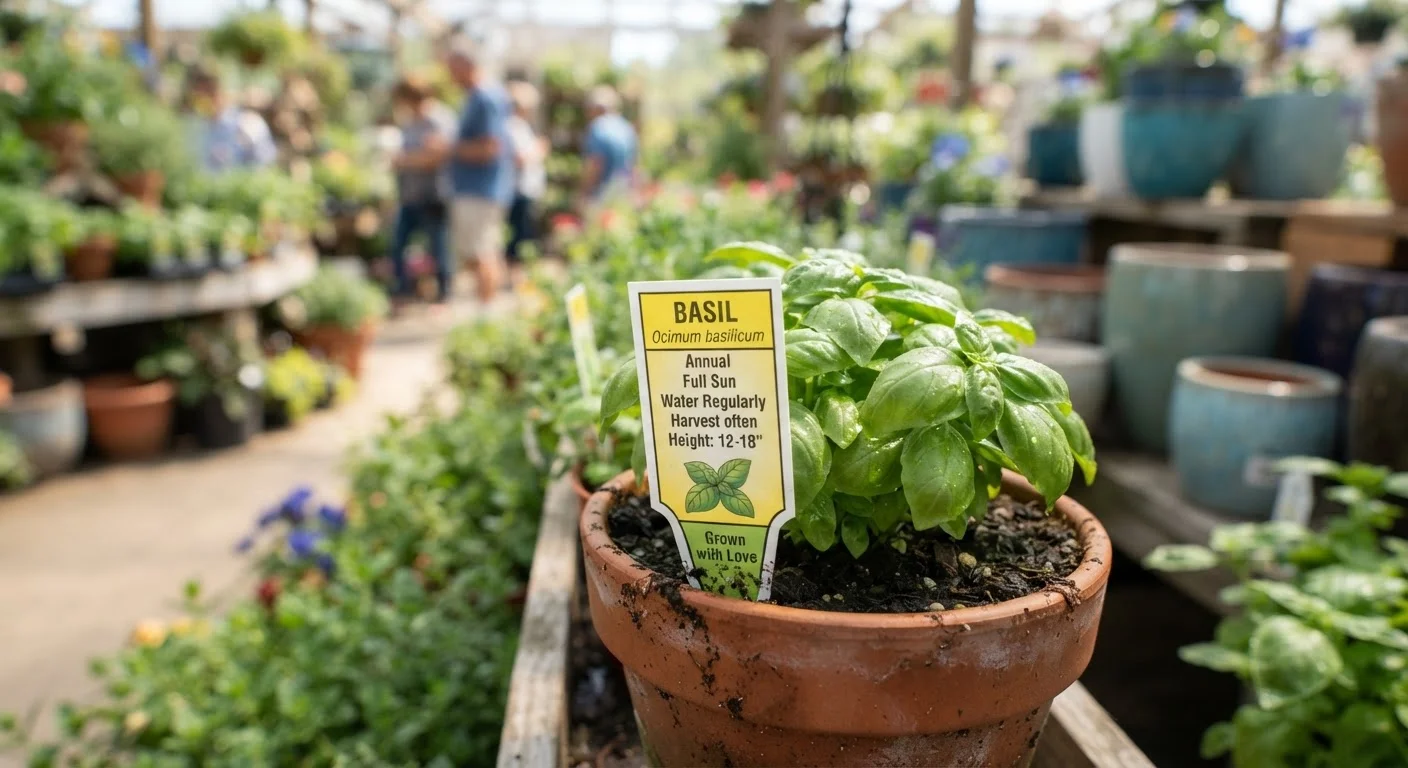
Photo credit: Glowwwatch.com
In this article
Plant tags contain spacing, light, water, and hardiness zone info. This reference breaks down each detail so you can shop and plant with confidence.
What a Plant Tag Actually Tells You
That small plastic tag tucked into a nursery pot is one of the most useful tools a beginning gardener has — and most people only glance at the name before tossing it aside. A plant tag typically contains six to eight distinct pieces of information, each communicating something specific about where and how a plant will thrive.
| Fields on a typical plant tag | 6–8 distinct data points |
| Full Sun definition | 6 or more hours of direct sun daily (Standard horticultural terminology) |
| USDA Hardiness Zones in the US | Zones 1–13 (1a through 13b) (USDA Plant Hardiness Zone Map) |
| Minimum spacing guide | Use the mature spread measurement |
| Tag storage tip | Photograph or box tags after planting for mid-season reference |
Understanding these details before you buy — rather than after something dies — is the single biggest shift that separates frustrated gardeners from confident ones. Just like decoding a food label (see our guide to reading a Nutrition Facts label), the key is knowing which numbers and symbols actually matter for your situation.
Breaking Down Each Field on the Tag
Common Name and Botanical Name
The large, prominent text is the common name — familiar but imprecise, since dozens of unrelated plants can share a nickname. Directly below or in smaller italic type you'll find the botanical (Latin) name, which is globally standardized. When purchasing specific cultivars or researching care instructions online, always use the botanical name to avoid confusion.
Light Requirements
Tags use three standard terms: Full Sun (6+ hours of direct sunlight daily), Part Sun/Part Shade (3–6 hours), and Full Shade (fewer than 3 hours). Observe your yard at different times of day before planting — a spot that looks bright in the morning may be heavily shaded by afternoon.
Watering Needs
Symbols or words like "drought tolerant," "moderate water," or "consistently moist" indicate how often a plant needs irrigation. These are general guidelines; your local climate, soil drainage, and seasonal rainfall all influence actual watering frequency. Pair tag guidance with an understanding of your soil — our Soil 101 guide explains how soil texture affects how quickly water drains away.
Mature Height and Spread
Listed as two measurements (e.g., "Height: 24 in. / Spread: 18 in."), these tell you how much space the plant will occupy at full size. Many beginners plant too closely, leading to overcrowding, poor airflow, and increased disease pressure. Use the spread number as your minimum spacing between plants.
USDA Hardiness Zone
This is the most critical field for perennial plants — those expected to survive winter and return the following year. The tag will list a range like "Zones 5–9." The USDA Plant Hardiness Zone Map divides the US into zones based on average annual minimum winter temperatures. If your zone falls outside the listed range, treat the plant as an annual or plan to bring it indoors.
Bloom Time and Color
For flowering plants, the tag notes the expected bloom season (spring, summer, fall) and flower color. Use this when planning a garden designed for continuous color throughout the growing season.
USDA Hardiness Zone
A geographic designation assigned by the US Department of Agriculture based on average annual minimum winter temperatures. It tells gardeners which perennial plants are likely to survive winter in their area.
Botanical Name
The internationally standardized Latin name for a plant species, typically written in italics. It is more precise than a common name and prevents confusion when researching care or purchasing specific varieties.
Cultivar
A plant variety that has been selectively bred for specific traits such as flower color, disease resistance, or compact size. Cultivar names appear in single quotes after the botanical name (e.g., Rosa 'Knock Out').
Mature Spread
The expected width of a plant once it reaches full size. Used to determine proper spacing between plants to allow adequate airflow and room to grow.
Annual vs. Perennial
Annuals complete their life cycle in one growing season and must be replanted each year. Perennials return for multiple years, provided winter temperatures stay within their hardiness zone range.
Part Sun / Part Shade
A light category indicating a plant thrives with 3 to 6 hours of direct sunlight per day. Part sun favors morning light; part shade tolerates more afternoon shadow.
Putting It All Together at the Nursery
Before you put any plant in your cart, run through a quick mental checklist: Does my yard have the right light? Is my USDA zone within range? Do I have enough space for the mature spread? Can I meet the watering needs without overextending myself?
If a tag is missing or faded, ask a nursery staff member rather than guessing. Most garden centers can look up care information by botanical name. Keep tags after planting — store them in a small box or photograph them — so you have a ready reference when questions come up mid-season.
Reading a plant tag takes about 30 seconds, but that small investment pays off over an entire growing season. A plant placed in the right conditions from the start requires far less intervention and is far more likely to reward you with healthy growth and flowers.

Author
Home & Garden Editorial Team
Home & Garden Editorial Team is the collective byline for our editorial team and contributor network. Articles published under this byline or an editorial pen name are researched, written, and reviewed according to our editorial standards for clarity, consistency, and independence before publication.
View all articles →