
Mulching: The Low-Effort Habit That Pays Off All Season
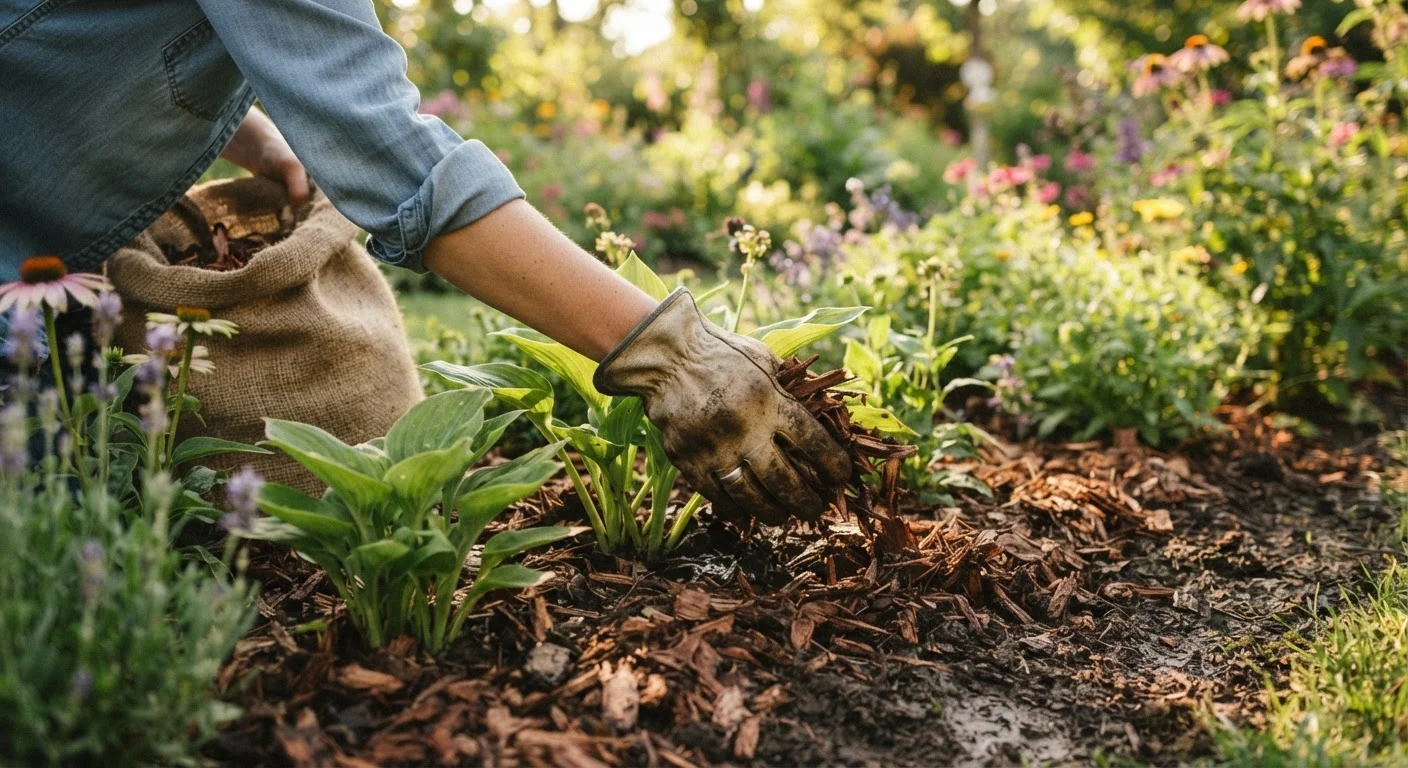
Photo credit: Glowwwatch.com
In this article
Mulch suppresses weeds, retains moisture, and improves soil—but only when applied correctly. Learn the right materials, depth, and timing.
Key Takeaways
- Apply 2–3 inches of mulch to suppress weeds, retain moisture, and regulate soil temperature effectively.
- Keep mulch at least 2–3 inches away from plant stems and tree trunks to prevent rot and disease.
- Organic mulches like shredded leaves and wood chips break down over time, improving soil structure and fertility.
- Timing matters: mulch after soil has warmed in spring, and refresh before winter to protect roots.
- Choosing the right mulch material for your plants and climate makes a measurable difference in results.
Why Mulching Is Worth the Effort
Mulching is one of the highest-return habits in home gardening. A single application can reduce how often you water, cut down on weeding sessions, and protect your plants through temperature swings — all with minimal ongoing effort. For beginners especially, it's the kind of foundational practice that quietly makes everything else easier.
At its core, mulch is any material layered over bare soil to cover and protect it. Organic options — shredded leaves, wood chips, straw, compost — gradually break down and feed the soil. Inorganic options like gravel or landscape fabric don't improve soil biology but still suppress weeds and retain some moisture.
Understanding what's already happening beneath your mulch layer matters too. For a deeper look at soil health, see our guide to garden soil — it explains how soil texture, pH, and organic matter all influence plant success.
“Covering bare soil is one of the most protective things a gardener can do. Exposed soil loses moisture, erodes, and invites weeds. Mulch mimics what nature does in forests and meadows — it keeps the ground covered and the soil ecosystem functioning.”
— Jeff Gillman, Horticulturist and author of books on evidence-based gardening
Best Practices for Applying Mulch
Even the right mulch material can underperform — or cause harm — if applied incorrectly. These practices help you get the most from every bag or pile you spread.
Apply mulch at a depth of 2–3 inches across your garden beds
This depth is deep enough to block sunlight from reaching weed seeds and to hold meaningful moisture in the soil, but not so thick that it suffocates plant roots or prevents rainfall from penetrating. Thinner layers lose effectiveness quickly; thicker layers can cause waterlogging and rot.
Keep mulch pulled back 2–3 inches from plant stems and tree trunks
Mulch piled against stems or bark — often called 'volcano mulching' around trees — traps moisture against living tissue and creates conditions where rot, fungal disease, and pest damage can develop. Maintaining a clear gap allows air circulation and protects the plant's crown.
Clear existing weeds before applying a fresh layer of mulch
Mulch is highly effective at suppressing new weed germination, but it won't kill established weeds already rooted in the soil. Skipping this step means persistent weeds continue growing underneath and often push through the mulch layer within weeks.
Match your mulch material to your plant type and garden goal
Different plants have different needs. Acid-loving plants like blueberries benefit from pine needle mulch, which lowers soil pH as it breaks down. Vegetable gardens often do best with light, organic mulches that decompose quickly. Using the wrong material can create the wrong soil environment over time.
Replenish organic mulch as it breaks down, typically once or twice a year
Organic mulches decompose — which is beneficial for soil health — but this also means the layer thins over time and loses its weed-blocking and moisture-retaining effectiveness. Regular, light top-ups maintain coverage without adding so much at once that the layer becomes too thick.
Timing, Maintenance, and Seasonal Refreshes
Mulch isn't a one-and-done task, but it's close. Most gardens benefit from two key moments: a spring application once the soil has had a chance to warm up (spreading too early traps cold and slows plant growth), and a late-fall top-up to insulate root systems through winter.
Check your mulch depth mid-season. Organic mulches decompose — that's actually a feature, not a flaw, since they improve the soil below — but it means the layer can thin out. A quick mid-summer check and light refresh keeps coverage effective. If you notice the soil drying out faster than usual or weeds starting to push through, those are your cues to top up.
For gardeners using raised beds, mulching principles are the same, though shallower root zones may benefit from slightly thinner layers. Our comparison of raised beds vs. in-ground planting covers how soil management differs between the two setups.
Choosing the Right Mulch Material
Not all mulches perform equally in every situation. Here's a practical breakdown of the most common options for home gardeners:
- Shredded leaves: Free, widely available in fall, and excellent for improving soil as they decompose. Best for flower beds and vegetable gardens.
- Wood chips: Long-lasting and good for pathways and around trees and shrubs. Avoid using them directly around vegetable stems, as fresh wood chips can temporarily tie up soil nitrogen.
- Straw: Lightweight and great for vegetable gardens, especially around strawberries. Make sure it's seed-free straw, not hay, to avoid introducing weeds.
- Compost: Doubles as a soil amendment and mulch. Thinner layers are typical (1–2 inches), but the fertility boost is significant. Pair it with home composting to produce your own supply.
- Gravel or stone: Works well around drought-tolerant plants and in low-maintenance landscaping. Does not improve soil biology.
If you've encountered conflicting advice about mulching materials online, you're not alone — the gardening world has plenty of myths. Our article on common garden myths helps separate evidence-backed advice from folklore.
This article provides general gardening guidance for informational purposes. Results may vary based on local climate, soil type, and plant species. Always verify local conditions before making significant changes to your garden.

Author
Home & Garden Editorial Team
Home & Garden Editorial Team is the collective byline for our editorial team and contributor network. Articles published under this byline or an editorial pen name are researched, written, and reviewed according to our editorial standards for clarity, consistency, and independence before publication.
View all articles →