
Annual vs. Perennial Plants: What the Labels on Plant Tags Actually Mean
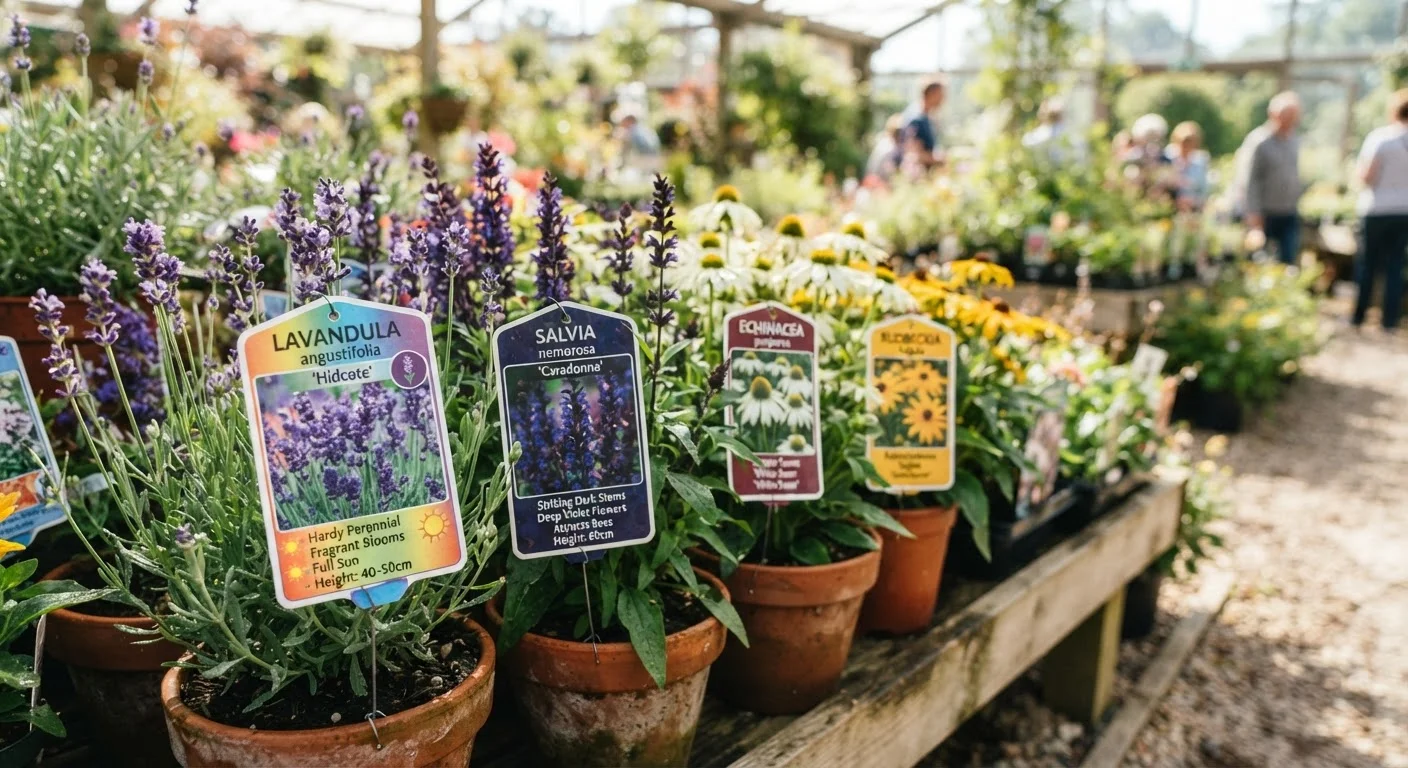
Photo credit: Glowwwatch.com
In this article
Decode common plant terminology. Understand the difference between annuals, perennials, and biennials so you can plan a garden that lasts.
Key Takeaways
- Annuals complete their life cycle in one season and must be replanted each year.
- Perennials return from their roots year after year, reducing replanting effort over time.
- Biennials take two years to complete their life cycle — a category many beginners overlook.
- A plant's classification can shift depending on your local climate and USDA hardiness zone.
- Mixing annuals and perennials gives your garden both reliable structure and seasonal color flexibility.
Why Plant Labels Use These Terms
Walking through a garden center, you'll notice nearly every pot or flat carries a small plastic tag packed with information. Among the most consequential words on that tag — right up there with sunlight and watering needs — is whether the plant is labeled annual, perennial, or occasionally biennial. These words tell you how long the plant is designed to live and, practically speaking, whether you'll need to buy it again next year.
Understanding these labels isn't about memorizing botanical definitions. It's about making smarter choices at the nursery so your time, money, and effort go exactly where you intend them to. For a broader look at everything else packed onto that small tag, see our guide to reading plant tags.
Check the Zone Range Before You Buy
Before purchasing any plant labeled 'perennial,' locate your USDA Plant Hardiness Zone — available on the USDA website using your zip code — and compare it to the zone range on the plant tag. If your zone is colder than the plant's minimum, it will likely behave as an annual in your garden, no matter what the label says.
Annuals: One Season, All the Color
Annuals germinate, grow, flower, produce seed, and die — all within a single growing season. Nature designed them this way: their entire survival strategy is to bloom prolifically, set as much seed as possible, and hand the future off to those seeds. This is why annuals tend to flower longer and more intensely than perennials. Marigolds, petunias, zinnias, and impatiens are classic examples.
The practical implication is that you'll clear them out at the end of the season and replant the following spring. That's a real cost in both money and effort, but it's also a feature: annuals let you completely reinvent your garden's look each year without long-term commitment. They're ideal for filling gaps between slower-maturing perennials or for containers and window boxes where you want bold, season-long color.
1 season
Typical lifespan of an annual plant
Annuals are genetically programmed to germinate, flower, set seed, and die within a single growing season, regardless of care conditions.
3+ years
Minimum lifespan of a true perennial
Many perennials live decades when planted in the correct hardiness zone with appropriate soil and light conditions.
13 zones
USDA Plant Hardiness Zones in the US
The USDA Plant Hardiness Zone Map divides North America into zones based on average annual extreme minimum temperatures, guiding perennial plant selection.
Perennials: The Long-Term Investment
Perennials live for three or more years — often many decades. They typically die back to ground level in autumn, then regrow from their root systems when temperatures warm in spring. Coneflowers, hostas, black-eyed Susans, and daylilies are familiar examples found in yards across the country.
Because a perennial spends its first year or two establishing a strong root system rather than flowering heavily, gardeners sometimes say perennials "sleep, creep, then leap." Expect modest growth and fewer blooms initially, with more dramatic performance in subsequent seasons. Over time, many perennials spread and can be divided to fill more space — effectively giving you free plants.
One important nuance: a plant's perennial status is tied to climate. A plant listed as a perennial in USDA Zone 9 may die in a Zone 5 winter, making it function as an annual for gardeners in colder regions. Always match the zone range on the tag to your local zone. Sunlight conditions also play a role in a perennial's longevity — understanding sunlight labels is a natural next step once you've sorted out lifespan categories.
Biennials and the 'Tender Perennial' Curveball
Two additional labels trip up many beginners. Biennials complete their life cycle over exactly two years: they produce leafy growth in year one, then flower, set seed, and die in year two. Foxglove, hollyhock, and sweet William are well-known biennials. If you plant a biennial and see no flowers the first season, that's normal — not a sign something is wrong.
Then there's the tender perennial, sometimes labeled simply as "perennial" with a warm-climate zone range. These plants are genetically perennial but cannot survive frost, so gardeners in cold climates treat them as annuals. Knowing this distinction helps you set realistic expectations rather than wondering why a "perennial" plant didn't come back in spring.
First-Year Blooming Biennials Exist
Some plant breeders have developed biennial varieties — particularly foxglove cultivars — that flower in their first year when started early indoors. These are often labeled 'first-year flowering' or similar. If waiting a full year for blooms doesn't fit your plan, look for these cultivars or purchase nursery plants already in their second year of growth.
Building a Garden That Uses Both
A well-planned garden typically blends annuals and perennials strategically. Perennials form the backbone — reliable plants that return year after year, anchoring beds with consistent structure. Annuals fill in around them, providing vivid seasonal color and the flexibility to try something different each year.
A common approach is to establish perennial plantings first, then use annuals to fill gaps while the perennials mature. As perennials spread over two or three seasons, you may find you need fewer annuals to fill the space. This approach also helps manage costs: once perennials are established, your annual plant budget naturally decreases.
Soil quality underpins the success of both plant types. Whether you're growing fast-living annuals or long-haul perennials, what's in your ground matters enormously — learn what makes healthy garden soil before you plant. If you're deciding where to plant, it's also worth exploring the differences between raised beds and in-ground planting.
Frequently Asked Questions

Author
Home & Garden Editorial Team
Home & Garden Editorial Team is the collective byline for our editorial team and contributor network. Articles published under this byline or an editorial pen name are researched, written, and reviewed according to our editorial standards for clarity, consistency, and independence before publication.
View all articles →