
The Science Behind Added Sugar vs. Naturally Occurring Sugar
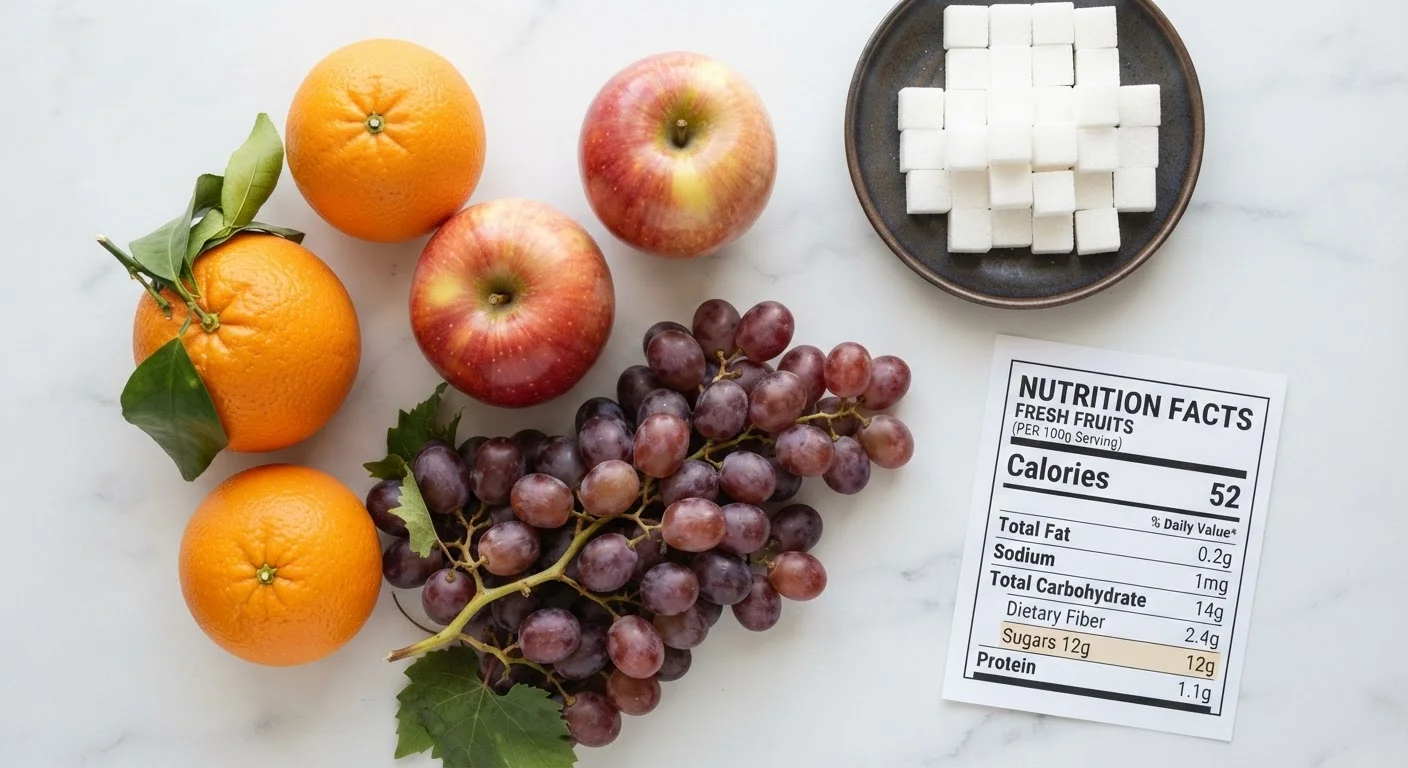
Photo credit: Glowwwatch.com
In this article
Not all sugar is created equal — but the difference is more nuanced than most headlines suggest. Here's what research actually says.
Key Takeaways
- Added sugars are incorporated during processing; naturally occurring sugars are intrinsic to whole foods.
- Your body metabolizes both forms of sugar similarly at the molecular level, but context matters enormously.
- Fiber, protein, and micronutrients in whole foods slow sugar absorption and provide nutritional value.
- Current US dietary guidelines recommend limiting added sugars to less than 10% of daily calories.
- Nutrition labels now distinguish added sugars from total sugars, making it easier to make informed choices.
- Reducing added sugar intake is broadly supported by research; naturally occurring sugars in whole foods are generally not a concern for healthy individuals.
What Separates Added Sugar from Naturally Occurring Sugar?
At first glance, glucose is glucose and fructose is fructose — the same molecules regardless of where they originate. So why does the source of sugar matter so much to nutrition scientists and dietitians? The answer lies not just in the molecules themselves, but in everything that comes along with them.
Added sugars are any sugars or caloric sweeteners — including high-fructose corn syrup, honey, cane sugar, and dozens of other names — that are introduced into food or beverages during processing or preparation. They contribute sweetness and calories but typically arrive without accompanying fiber, protein, or micronutrients. To learn how many aliases added sugar travels under, see the many names for added sugar on ingredient lists.
Naturally occurring sugars, by contrast, are inherent to whole foods. Lactose in milk, fructose in an apple, and sucrose in a beet are all native to those foods' cellular structures. They arrive bundled with fiber (in plants), protein (in dairy), vitamins, and minerals — a nutritional package that changes how the body processes and responds to the sugar itself.
| Criterion | Added Sugar | Naturally Occurring Sugar |
|---|---|---|
| Source | Added during processing or preparation | Intrinsic to whole foods |
| Examples | Cane sugar, HFCS, honey (added), agave syrup | Fructose in fruit, lactose in milk, sucrose in beets |
| Comes with fiber? | Rarely | Yes (in plant foods) |
| Comes with micronutrients? | Rarely | Yes (vitamins, minerals) |
| Speed of absorption | Often rapid (especially in beverages) | Moderated by fiber and food matrix |
| Listed separately on labels? | Yes — "Includes X g Added Sugars" | No separate line; included in total sugars |
| Dietary guideline limit? | Yes — under 10% of daily calories | No official limit for healthy adults |
How the Body Processes Each Type
Chemically, a fructose molecule from a mango and a fructose molecule from a soft drink are identical. Your digestive enzymes don't distinguish origin stories. What does differ is the rate and context of absorption.
When you eat a whole piece of fruit, the sugar arrives embedded in a matrix of dietary fiber. Fiber slows digestion, moderates the glucose spike in your bloodstream, and extends satiety. Your body receives the sugar gradually, giving the liver and pancreas time to respond without being overwhelmed.
A sweetened beverage or processed snack, on the other hand, delivers sugar rapidly and with little else to slow it down. Research consistently links high intake of added sugars — especially from liquids — to elevated triglycerides, increased risk of type 2 diabetes, and excess calorie consumption. The difference between natural and added sugar in drinks is a useful case study here: fruit juice and soda may have similar sugar counts, but their nutritional contexts are very different.
17 tsp
Average daily added sugar intake for US adults
According to CDC data, the average American consumes around 17 teaspoons of added sugar per day — well above the recommended maximum of about 6–9 teaspoons.
10%
Maximum recommended share of calories from added sugar
The Dietary Guidelines for Americans recommend that added sugars make up less than 10% of total daily caloric intake for individuals aged 2 and older.
~37%
Share of added sugar Americans get from beverages
Research published using NHANES data estimates that beverages — including sodas, energy drinks, and sweetened coffees — account for roughly 37% of added sugar consumption in the US.
This article provides general nutrition information and is not a substitute for advice from a qualified healthcare professional or registered dietitian.
What Nutrition Labels and Guidelines Actually Say
The US Food and Drug Administration updated the Nutrition Facts label to separately list added sugars beneath the total sugars line — a significant change that helps consumers distinguish between the two categories at a glance. Under current guidelines from the Dietary Guidelines for Americans, added sugars should account for less than 10% of total daily caloric intake for adults and children over age 2.
Naturally occurring sugars in whole foods are not subject to an official recommended limit for healthy individuals — a distinction that reflects the broader nutritional context they arrive in. That said, people managing conditions like diabetes should consult a healthcare provider about their individual carbohydrate and sugar needs, as general guidelines may not apply to their situation.
It's also worth noting that terms like "natural" on food packaging do not automatically mean a product is low in added sugar. Front-of-package health claims can be misleading — the ingredient list and Nutrition Facts panel are always more reliable guides. For a broader look at how some popular nutrition ideas hold up to scrutiny, see which nutrition claims science actually supports.
Practical Ways to Apply This Knowledge
Understanding the distinction is useful, but the goal is making it actionable at the grocery store and at the table.
- Check the Nutrition Facts label. Look specifically at the "Includes X g Added Sugars" line, not just total sugars. A yogurt might show 15g total sugar but only 5g added sugar — the rest is naturally occurring lactose.
- Prioritize whole-food sources of sweetness. Fresh fruit, plain dairy, and vegetables with natural sweetness (like sweet potatoes or beets) deliver sugar alongside valuable nutrients. See how processing levels affect nutritional quality for more context.
- Watch beverages closely. Liquid sugar — whether from soda, sweetened teas, or flavored coffees — tends to bypass satiety signals more easily than sugar in solid food, making it easier to overconsume.
- Read ingredient lists skeptically. Added sugar can appear under more than 60 different names. If several sweeteners appear in the top five ingredients, the product likely contains a significant amount of added sugar.
The science doesn't demand perfection — it supports a pattern of eating where naturally occurring sugars in whole foods form the foundation, and added sugars are consumed with some awareness of quantity and frequency.

Author
Food & Drinks Editorial Team
Food & Drinks Editorial Team is the collective byline for our editorial team and contributor network. Articles published under this byline or an editorial pen name are researched, written, and reviewed according to our editorial standards for clarity, consistency, and independence before publication.
View all articles →