
Reading Between the Lines on Health Claims Like 'Natural' and 'Low-Fat'
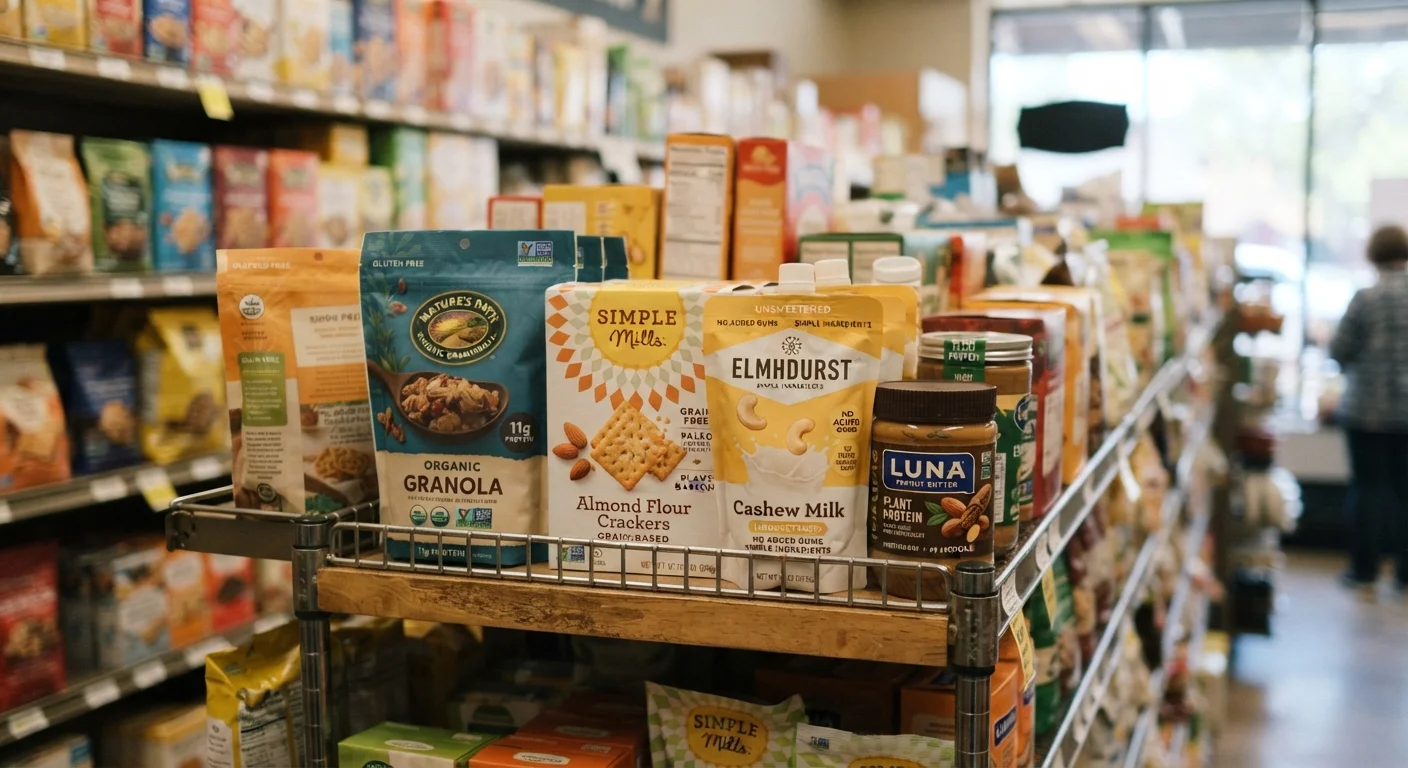
Photo credit: Glowwwatch.com
In this article
Front-of-package claims can mislead even careful shoppers. Learn what terms like 'natural,' 'multigrain,' and 'light' legally mean.
Key Takeaways
- Terms like 'natural' and 'multigrain' have little or no legal nutritional definition in the US.
- Low-fat foods often contain added sugar or sodium to compensate for flavor loss.
- The Nutrition Facts panel and ingredients list are more reliable than front-of-package claims.
- Regulatory oversight of front-of-package wording varies widely by term.
- Skeptical reading of health claims helps you make choices based on actual nutrients, not marketing.
Why Front-of-Package Claims Are Designed to Impress, Not Inform
Food packaging is prime real estate. Manufacturers know most shoppers spend only a few seconds deciding what goes in their cart, so the front of a package is crafted to trigger a positive impression — fast. Terms like "natural," "light," "multigrain," and "low-fat" do exactly that. They feel health-affirming, but they frequently tell you very little about what's actually inside.
The US Food and Drug Administration (FDA) defines some label terms precisely, others loosely, and some not at all. Understanding which category a term falls into is one of the most practical nutrition skills you can develop. For a deeper dive into what the back of the package actually shows, see our guide to reading a Nutrition Facts label.
Assuming 'natural' means minimally processed or nutritious.
Why it happens: The word evokes images of farms and fresh ingredients, and shoppers intuitively associate it with health. The FDA has not established a formal regulatory definition for 'natural,' meaning any manufacturer can use it with minimal restriction.
Treating 'low-fat' as equivalent to 'healthy' or 'low-calorie.'
Why it happens: Decades of public health messaging linked dietary fat to weight gain and heart disease, training consumers to see 'low-fat' as a positive marker. That association persists even as nutrition science has become more nuanced.
Confusing 'multigrain' with 'whole grain.'
Why it happens: 'Multigrain' simply means a product contains more than one type of grain — none of which need to be whole. Products can be multigrain and still be made primarily from refined flours, which are lower in fiber and certain nutrients.
Believing 'light' always means fewer calories.
Why it happens: Shoppers assume 'light' refers to calorie or fat content, and it sometimes does — but 'light' can also legally refer to color, texture, or taste. A 'light olive oil,' for example, describes flavor and color, not calorie content.
Taking 'a good source of' claims at face value without checking the amount.
Why it happens: These structure/function-style claims sound meaningful, but FDA rules allow a product to use 'good source of' for a nutrient if it provides 10–19% of the Daily Value per serving — a threshold that isn't always significant in context.
Assuming 'no added sugar' means a product is low in sugar overall.
Why it happens: The phrase sounds like a strong health claim, and it does have regulatory meaning — but it only tells you that no sugar was added during manufacturing. Foods like fruit juice, dried fruit, or certain dairy products can be high in naturally occurring sugars and still carry this label.
How These Mistakes Play Out at the Store
Once you know the patterns, they appear everywhere. A breakfast cereal labeled "multigrain" may list enriched white flour as its first ingredient. A "light" salad dressing may be lower in fat but higher in sodium than the original. A product marketed as "made with whole grain" could contain only a trace amount.
68%
Shoppers influenced by front-of-pack claims
A study published in the journal Appetite found that a large majority of consumers report that front-of-package health claims influence their food purchasing decisions.
0
FDA definitions for the word 'natural'
The FDA has not established a formal regulatory definition for the term 'natural' on food packaging, as acknowledged on the agency's own website.
Ingredients lists are always written in descending order by weight — the ingredient present in the largest amount appears first. If whole grain, fruit, or another ingredient you're prioritizing shows up near the end of a long list, it plays a minor role nutritionally. Pair this habit with the Nutrition Facts panel for a complete picture. Our article on what nutrition labels don't tell you explores the gaps that even careful label readers can miss.
Don't Let One Claim Drive the Whole Decision
Front-of-package labels highlight what manufacturers want you to notice — not necessarily what matters most for your health goals. A product can carry a technically accurate claim (like 'low in saturated fat') while being high in sodium, added sugars, or refined carbohydrates. No single claim captures the full nutritional picture. Make it a habit to consult the Nutrition Facts panel and the ingredients list before deciding.
For context on how processing affects nutrient content — which matters when evaluating claims like "natural" or "whole grain" — our overview of whole foods vs. processed foods explains the spectrum clearly. And if you want to understand the specific difference that grain refining makes, our piece on whole grains vs. refined grains breaks it down nutrient by nutrient.
This article is for general informational and educational purposes only and is not a substitute for professional nutrition or medical advice. Consult a qualified healthcare professional or registered dietitian for guidance specific to your health needs.

Author
Health & Wellness Editorial Team
Health & Wellness Editorial Team is the collective byline for our editorial team and contributor network. Articles published under this byline or an editorial pen name are researched, written, and reviewed according to our editorial standards for clarity, consistency, and independence before publication.
View all articles →