
Popular Nutrition Claims That Science Doesn't Fully Back Up
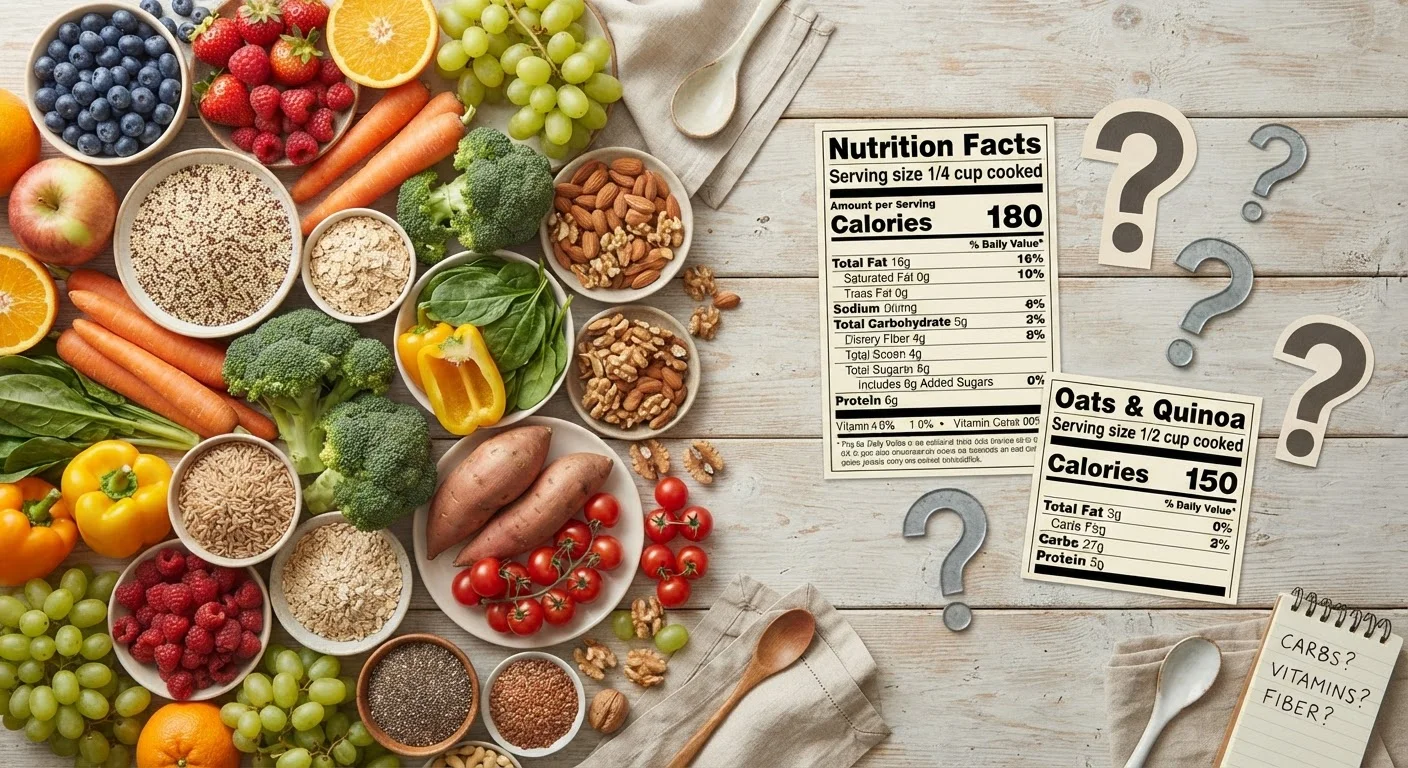
Photo credit: Glowwwatch.com
From 'detox diets' to 'carbs are bad,' we sort common nutrition beliefs into what's supported, what's oversimplified, and what's false.
Key Takeaways
- Many popular nutrition claims are oversimplified versions of more nuanced scientific findings.
- No food or nutrient is inherently 'bad' — context, quantity, and diet quality all matter.
- Your body has its own built-in detox system; no diet 'cleanses' it more effectively.
- Carbohydrates are a primary fuel source; quality and quantity matter far more than avoidance.
- Consulting a registered dietitian is the best step toward personalized, evidence-based nutrition guidance.
Why Nutrition Myths Spread So Easily
Nutrition science is genuinely complex — studies conflict, dietary patterns shift, and headlines often compress cautious findings into bold declarations. The result is a landscape full of half-truths that feel authoritative but don't fully reflect the evidence. This article unpacks some of the most widespread nutrition claims, separating what the science actually says from what gets repeated in gyms, social media feeds, and family dinners.
For a broader look at misconceptions that keep circulating despite the evidence, see our companion piece on nutrition myths that refuse to die. And if front-of-package language confuses you, our guide on reading between the lines on health claims explains what terms like 'natural' and 'low-fat' actually mean legally.
Myth
Detox diets and juice cleanses flush toxins from your body and reset your digestive system.
Fact
Your liver and kidneys continuously filter waste from your blood; no commercial cleanse enhances or accelerates this process.
The word 'detox' in a consumer product context is largely a marketing term. Your body's actual detoxification system — primarily the liver, kidneys, and lymphatic system — operates around the clock without any dietary intervention. There is no credible clinical evidence that short-term juice fasts or cleanse kits remove additional toxins, improve organ function, or 'reset' digestion beyond what a balanced diet already supports. Some cleanses are very low in protein and calories, which can leave you fatigued without delivering the promised benefit.
Myth
Carbohydrates are inherently fattening and should be cut from your diet to lose weight.
Fact
Carbohydrates are the body's primary energy source; overall calorie balance and carbohydrate quality matter far more than eliminating them.
Decades of research show that no single macronutrient causes weight gain in isolation — excess calories from any source can contribute to weight changes over time. Whole-food carbohydrate sources such as legumes, whole grains, fruits, and vegetables carry fiber, vitamins, and minerals that support long-term health. Low-carb diets can be effective for some individuals, but they are one approach among many, and the full picture of what drives body weight extends well beyond a single macronutrient. The US Dietary Guidelines continue to recommend that carbohydrates make up a substantial portion of total daily energy intake, with emphasis on quality and fiber content.
Myth
Eating fat makes you fat — a low-fat diet is always the healthier choice.
Fact
Dietary fat is essential for hormone production, nutrient absorption, and cell function; the type and overall diet context matters more than fat quantity alone.
The low-fat diet movement, prominent from the 1980s onward, led many consumers to replace fat with refined sugars and processed carbohydrates — a swap that research now suggests wasn't as beneficial as anticipated. Unsaturated fats found in foods like avocados, nuts, seeds, and fatty fish are associated with favorable cardiovascular markers in observational studies. Trans fats (now largely removed from the US food supply) and excessive saturated fat remain areas of active dietary guidance, but blanket fat avoidance is not what current evidence recommends.
Myth
Eating late at night automatically causes weight gain because your metabolism slows down while you sleep.
Fact
Total daily calorie intake, not meal timing alone, is the primary driver of energy balance; emerging research on timing is nuanced and not yet conclusive for general recommendations.
The body does shift metabolic processes during sleep, but it doesn't simply 'store everything as fat' after a certain hour. Controlled studies comparing the same total calorie intake at different times of day show mixed results. Where late-night eating does appear problematic is when it leads to consistently higher total intake — such as mindless snacking in front of screens on top of regular meals. Research into chrono-nutrition (the relationship between meal timing and circadian rhythms) is a genuinely interesting frontier, but it hasn't yet produced firm, broadly applicable guidelines for everyday eaters.
Myth
'Natural' foods are nutritionally superior and always safer than processed alternatives.
Fact
The term 'natural' has no strict regulatory definition from the FDA for most foods; it tells you little about nutritional value or safety.
A food labeled 'natural' may still contain high amounts of added sugar, sodium, or saturated fat. Conversely, some minimally processed foods — like pasteurized milk, canned tomatoes, or frozen vegetables — retain strong nutritional profiles and, in some cases, are more accessible and affordable than fresh alternatives. Processing itself exists on a wide spectrum. Our guide to health claims like 'natural' and 'low-fat' breaks down what these labels can and cannot legally promise.
Myth
You need to take multiple daily supplements to meet your nutritional needs.
Fact
Most healthy adults can meet nutrient needs through a varied, balanced diet; supplements are most beneficial when a specific deficiency or absorption issue exists.
Supplements are not a replacement for dietary variety, and in some cases high-dose supplementation of fat-soluble vitamins (A, D, E, K) can cause harm. Certain populations — including pregnant individuals, older adults, and those with diagnosed deficiencies — may genuinely benefit from specific supplements, but this determination should involve a healthcare provider. Whole foods also deliver fiber, phytonutrients, and compounds that isolated supplements cannot replicate. For a look at which nutrients Americans most commonly fall short on through diet alone, see our article on nutrients most Americans don't get enough of.
What the Evidence Actually Supports
Understanding where a claim falls on the spectrum — solid science, oversimplification, or outright myth — helps you make choices grounded in reality rather than trend cycles. The myth-and-fact pairs above cover the most common offenders, but a few broader principles are worth keeping in mind.
~80%
Americans taking dietary supplements
According to the Council for Responsible Nutrition's consumer survey data, roughly 80% of US adults report taking some form of dietary supplement, though most healthy adults can meet needs through food.
95%
Americans falling short on dietary fiber
The Dietary Guidelines Advisory Committee has consistently found that fiber is among the most underconsumed nutrients in the US, with only about 5% of Americans meeting recommended daily intake.
3 in 10
US adults attempting a 'cleanse' annually
Consumer surveys on diet trends suggest a substantial minority of American adults try some form of detox or cleanse each year, despite limited clinical evidence supporting their effectiveness.
Whole diet patterns consistently outperform single-nutrient thinking in the research literature. Rather than fixating on one 'bad' ingredient or one 'superfood,' nutritional science increasingly points to the overall quality and variety of what you eat over time. For a closer look at what most Americans are actually missing in their diets, our article on nutrients most Americans don't get enough of is a practical next step.
It's also worth noting that nutrition labels, while useful, don't tell the whole story about food quality — for guidance on bridging that gap, see where nutrition labels fall short.
This article is for general informational and educational purposes only and is not a substitute for personalized medical or dietary advice. Consult a qualified healthcare professional or registered dietitian for guidance specific to your health situation.

Author
Food & Drinks Editorial Team
Food & Drinks Editorial Team is the collective byline for our editorial team and contributor network. Articles published under this byline or an editorial pen name are researched, written, and reviewed according to our editorial standards for clarity, consistency, and independence before publication.
View all articles →