
Preparing Your Home for Sale Without Over-Improving It
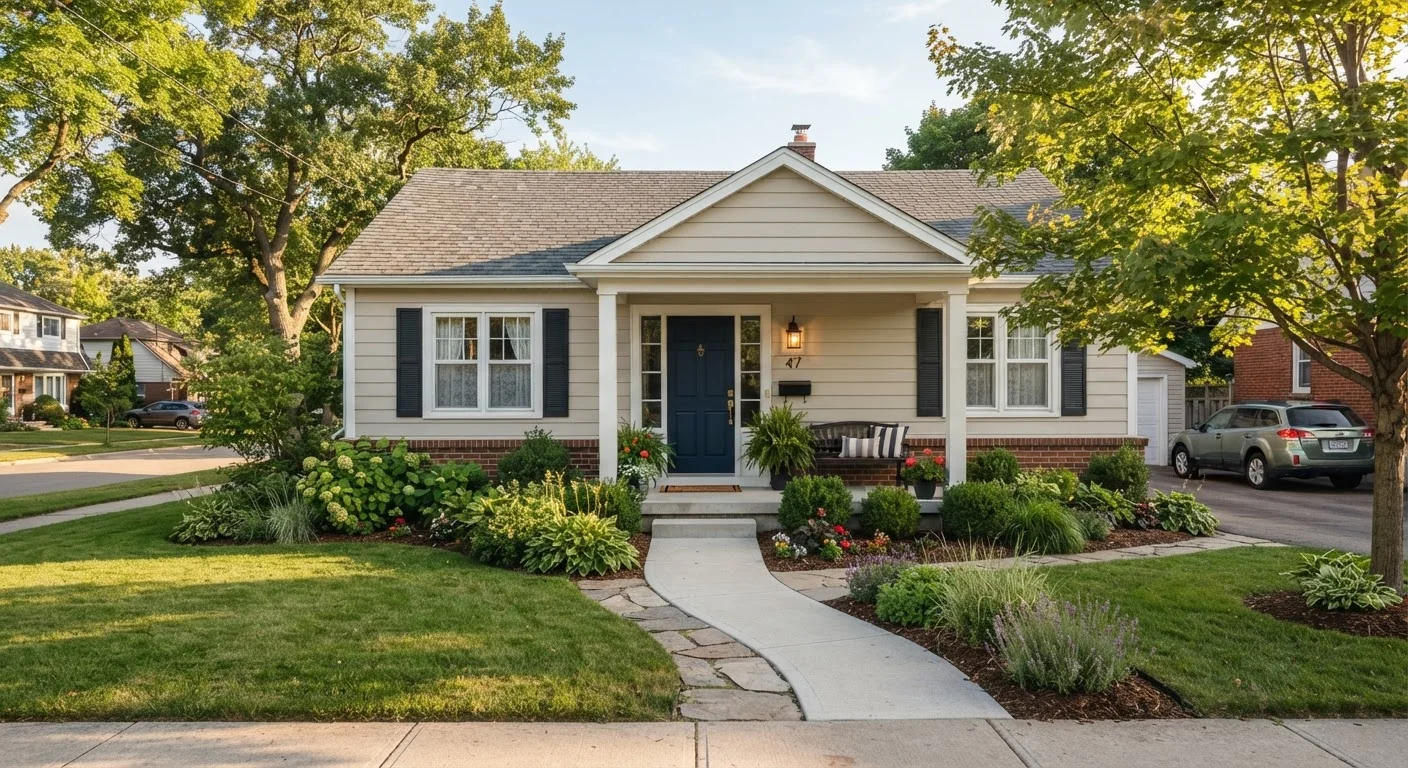
Photo credit: Glowwwatch.com
In this article
Not every renovation adds value before a sale. Here's how homeowners can make strategic, proportionate updates without spending more than they'll recoup.
Key Takeaways
- Over-improving a home before sale can cost more than sellers recoup at closing.
- Buyers pay for neighborhood comparables, not personal taste or premium finishes.
- Repairs, cleaning, and decluttering typically deliver stronger returns than major renovations.
- A listing agent or appraiser can identify which updates are worth making in your market.
- Cosmetic improvements like fresh paint and updated fixtures are low-cost, high-visibility wins.
Why More Spending Doesn't Always Mean More Value
When homeowners decide to sell, the instinct to renovate is understandable. A refreshed kitchen or spa-like bathroom feels like an obvious way to attract buyers and justify a higher asking price. But real estate markets don't reward effort — they reward comparable value. What a home is worth is anchored to what similar homes in the same neighborhood have recently sold for, regardless of how much an owner invested in upgrades.
Over-improving — spending significantly above what the local market will support — is one of the most common and costly pre-sale mistakes. A $60,000 kitchen remodel in a neighborhood where homes sell for $280,000 is unlikely to be reflected in the final sale price, because buyers have no reason to pay above market simply because finishes are premium. Understanding this dynamic is the starting point for making smarter pre-sale decisions.
For a deeper look at which renovation projects frequently disappoint at resale, see projects that often hurt resale value.
Start With What's Broken, Not What's Boring
Before considering any aesthetic update, address deferred maintenance and functional deficiencies. Buyers — and their home inspectors — will find leaky faucets, outdated electrical panels, worn roofing, and HVAC systems that haven't been serviced. These issues become negotiating leverage against sellers, often resulting in price reductions that exceed the cost of simply fixing them beforehand.
The principle is straightforward: repair what's broken before upgrading what's dated. A house with a fresh coat of paint but a failing water heater will lose buyer confidence quickly. Conversely, a home that's mechanically sound and well-maintained gives buyers confidence, even if the countertops aren't granite.
Fix all functional deficiencies before considering cosmetic upgrades
Home inspectors routinely flag mechanical, structural, and safety issues that give buyers grounds to negotiate price reductions or walk away entirely. Addressing these first protects the listing price. Buyers accept dated aesthetics far more readily than they accept unknown repair costs.
Price your improvements against neighborhood comparables, not your renovation costs
Local sale prices set the ceiling for what buyers will pay, regardless of what a seller has spent. Improvements that push a home's asking price above the neighborhood's ceiling often go unrecognized in the final sale price. Knowing your comp range keeps spending proportionate.
Declutter and deep-clean before investing in any physical updates
Clutter makes rooms appear smaller and distracts buyers from a home's actual features. Professional cleaning — including carpets, grout, and windows — costs relatively little and has an outsized effect on first impressions, both in person and in listing photography.
Choose neutral, broadly appealing finishes for any cosmetic updates
Personalized or trend-specific finishes appeal to a narrow subset of buyers and can make a home feel harder to imagine living in. Neutral paint colors, simple hardware, and clean lines give buyers a blank canvas, which tends to generate broader interest and faster sales.
Get a professional opinion before committing to any project over $1,000
Listing agents and appraisers have direct knowledge of what buyers in a given market expect and what they'll actually pay for. Their input helps sellers avoid spending on improvements that won't be recognized in the sale price — or that could even deter buyers with too-specific a taste.
Sellers who are unclear on how deferred upkeep compounds into larger problems can review the hidden costs of deferred home maintenance before setting a pre-sale budget.
High-Impact, Low-Cost Updates That Actually Move the Needle
Once functional issues are addressed, a targeted set of cosmetic improvements can meaningfully improve buyer perception without significant outlay. These updates work because they're visible, neutral, and broadly appealing — qualities that translate well in listing photos and at showings.
Note that cosmetic improvements work best when they're cohesive. Replacing cabinet hardware in the kitchen while leaving dated light fixtures creates an inconsistency that observant buyers notice. Aim for a consistent, neutral baseline across the home rather than isolated luxury touches.
When to Consult a Professional Before Committing to Anything
Before spending a dollar on pre-sale improvements, a conversation with a listing agent who knows your local market is one of the most valuable steps a seller can take. An experienced agent can tell you which updates buyers in your price range expect, which ones are irrelevant to them, and what comparable homes have sold for with and without certain features.
In some cases, a pre-listing appraisal can also provide an objective baseline of current value and help sellers evaluate whether a proposed improvement is likely to move the needle. This is particularly useful when considering anything beyond cosmetic updates — a mid-range bathroom refresh, for example, may or may not be warranted depending on how your home compares to nearby listings.
Permits Matter Even Before You Sell
Any improvement that requires a building permit — electrical work, structural changes, additions — should be fully permitted and inspected before listing. Unpermitted work can surface in title searches or buyer inspections and may need to be disclosed or remediated before closing. Check with your local building department to verify what work in your home has permits on file.
If you're considering any structural changes as part of a pre-sale refresh — such as opening up a wall to improve flow — review what to know about load-bearing walls before you renovate. Structural work requires permits, professional oversight, and time — factors that rarely align with a pre-sale timeline.
This article is for general informational purposes only and does not constitute financial, legal, or real estate advice. Consult a licensed real estate professional for guidance specific to your property and local market conditions.

Author
Real Estate Editorial Team
Real Estate Editorial Team is the collective byline for our editorial team and contributor network. Articles published under this byline or an editorial pen name are researched, written, and reviewed according to our editorial standards for clarity, consistency, and independence before publication.
View all articles →