
Why Deferred Maintenance Costs So Much More in the Long Run
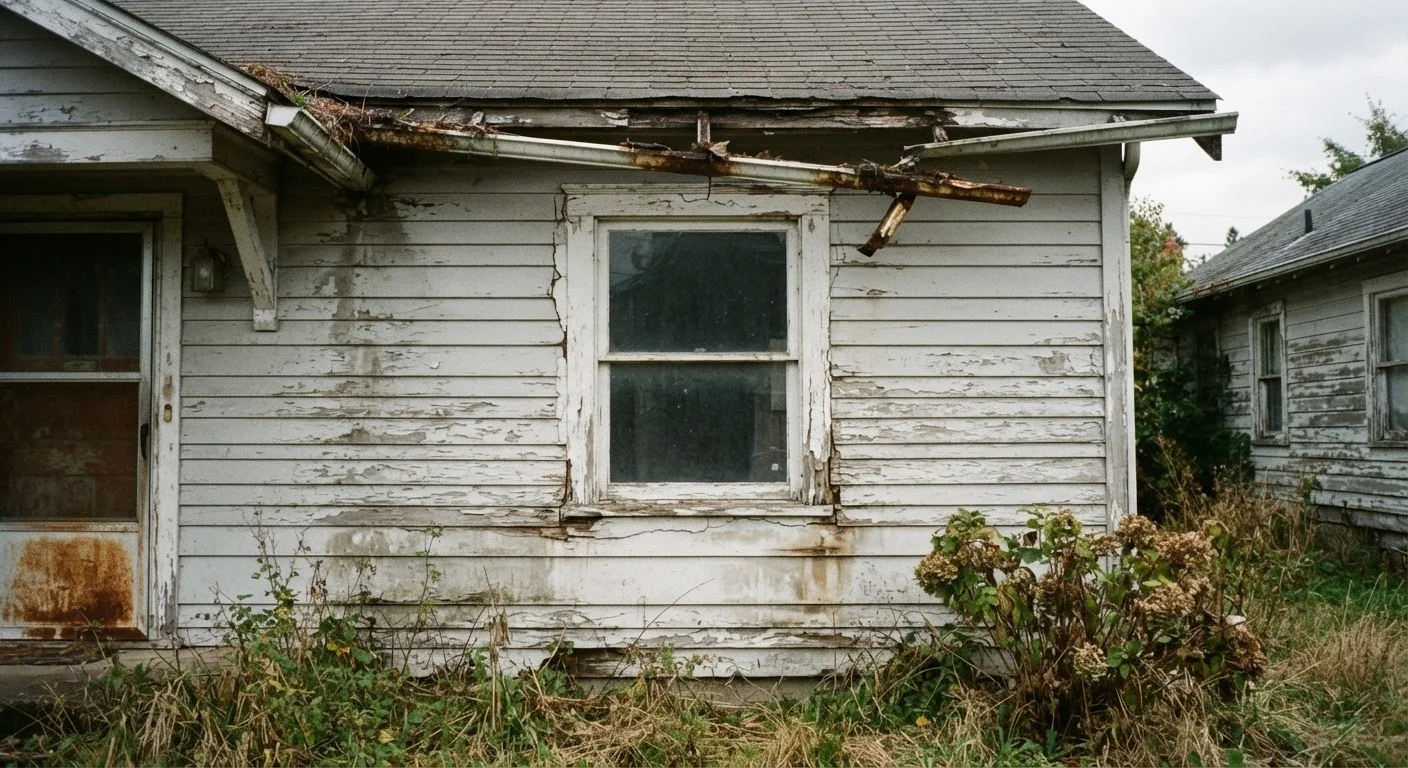
Photo credit: Glowwwatch.com
In this article
Skipping small repairs rarely saves money. This article explains how minor issues compound into major expenses — and which systems to prioritize.
Key Takeaways
- Minor home repairs ignored today routinely multiply into major expenses within months or years.
- Water, structural, and HVAC issues carry the highest compounding risk if deferred.
- Most homeowners underestimate repair costs because they don't account for secondary damage.
- A simple annual maintenance checklist can prevent the majority of costly deferred-maintenance scenarios.
- Home value and insurance coverage can both suffer when documented maintenance is skipped.
How Small Problems Become Expensive Emergencies
Deferred maintenance — the practice of postponing known repairs — rarely feels dangerous in the moment. A slow drip under the sink, a hairline crack in the driveway, a furnace filter that's overdue for replacement: none of these seem urgent. But home systems are interconnected, and a minor flaw in one area frequently accelerates damage in adjacent areas.
Water is the most common catalyst. A small roof leak that costs a few hundred dollars to patch can, if ignored through one wet season, saturate insulation, rot sheathing, and introduce mold — pushing the repair bill into the thousands. The same principle applies to plumbing, grading, and window seals. The longer moisture has an entry point, the deeper it travels.
The financial pattern mirrors the logic explored in our piece on the hidden costs of deferred home maintenance: neglect rarely stays contained. Understanding why this happens is the first step toward avoiding it.
1%–4%
Recommended annual maintenance budget as share of home value
Financial planning guidance commonly suggests homeowners set aside between 1% and 4% of their home's value annually for maintenance and repairs, with older homes typically requiring the higher end of that range.
3x–10x
Cost multiplier when water damage repairs are delayed
Industry estimates from home inspection and restoration professionals suggest that water-related damage addressed immediately costs a fraction of the same damage discovered after weeks or months of exposure.
The Most Costly Mistakes Homeowners Make
The following mistakes are among the most common — and most expensive — patterns seen when homeowners defer routine upkeep. Each one is correctable, especially when caught early.
Ignoring early signs of water intrusion, such as stained ceilings, soft spots near windows, or musty odors.
Why it happens: These signs are easy to rationalize as old stains or temporary dampness, especially in a recently purchased home where the history is unknown.
Skipping HVAC servicing because the system seems to be running fine.
Why it happens: Heating and cooling systems often fail gradually, so homeowners don't notice declining efficiency until the system stops working — usually during peak demand in summer or winter.
Allowing gutters and downspouts to remain clogged through multiple seasons.
Why it happens: Gutters are out of sight, so blockages aren't obvious until water is visibly overflowing or pooling against the foundation.
Deferring caulking and weather stripping replacement around doors and windows.
Why it happens: Deteriorated seals are a slow, invisible problem. Homeowners often don't connect drafts or elevated energy bills to failed caulking, and assume the cost isn't worth addressing.
Postponing minor plumbing repairs, including slow drains, dripping faucets, and running toilets.
Why it happens: These issues don't seem serious, and many homeowners intend to fix them "eventually" while other priorities compete for attention.
For a broader look at how overlooked expenses accumulate across all areas of personal finance, see our guide on budgeting for irregular expenses.
Deferred Maintenance Can Affect Home Insurance
Many homeowners' insurance policies exclude damage that results from neglected maintenance, classifying it as a preventable condition rather than a sudden loss. If an insurer determines that a roof, plumbing system, or HVAC unit failed due to documented long-term neglect, a claim may be denied or reduced. Keeping records of completed maintenance — service receipts, inspection reports, and contractor invoices — provides documentation that can be critical during a claims process. Consult your policy and a licensed insurance professional for details specific to your coverage.
Which Systems Deserve Priority Attention
Not all maintenance tasks carry equal urgency. Prioritization matters when budgets are limited. As a general framework, home systems fall into three risk tiers:
- High risk (address immediately): Roof, foundation, HVAC, plumbing supply and drain lines, electrical panels. Failures here cause rapid secondary damage or safety hazards.
- Medium risk (address within one season): Gutters, exterior caulking, weather stripping, water heater anode rods, dryer vents. Neglect here accelerates higher-risk failures.
- Lower risk (address annually): Paint, grout, minor landscaping grading, interior caulking. These protect aesthetics and slow moisture infiltration but rarely cause emergencies alone.
Common maintenance misconceptions can also lead homeowners to skip tasks that genuinely matter — the home maintenance myths that cost homeowners money piece addresses several of these directly.
The hub on home maintenance is a useful ongoing reference for task scheduling and seasonal checklists.
This article is for general informational purposes only and does not constitute professional home inspection, contracting, or financial advice. Consult qualified licensed professionals before undertaking significant repairs or making financial decisions based on your home's condition.

Author
Real Estate Editorial Team
Real Estate Editorial Team is the collective byline for our editorial team and contributor network. Articles published under this byline or an editorial pen name are researched, written, and reviewed according to our editorial standards for clarity, consistency, and independence before publication.
View all articles →