
HVAC Filters, Furnace Tune-Ups, and the Maintenance Most Homeowners Skip
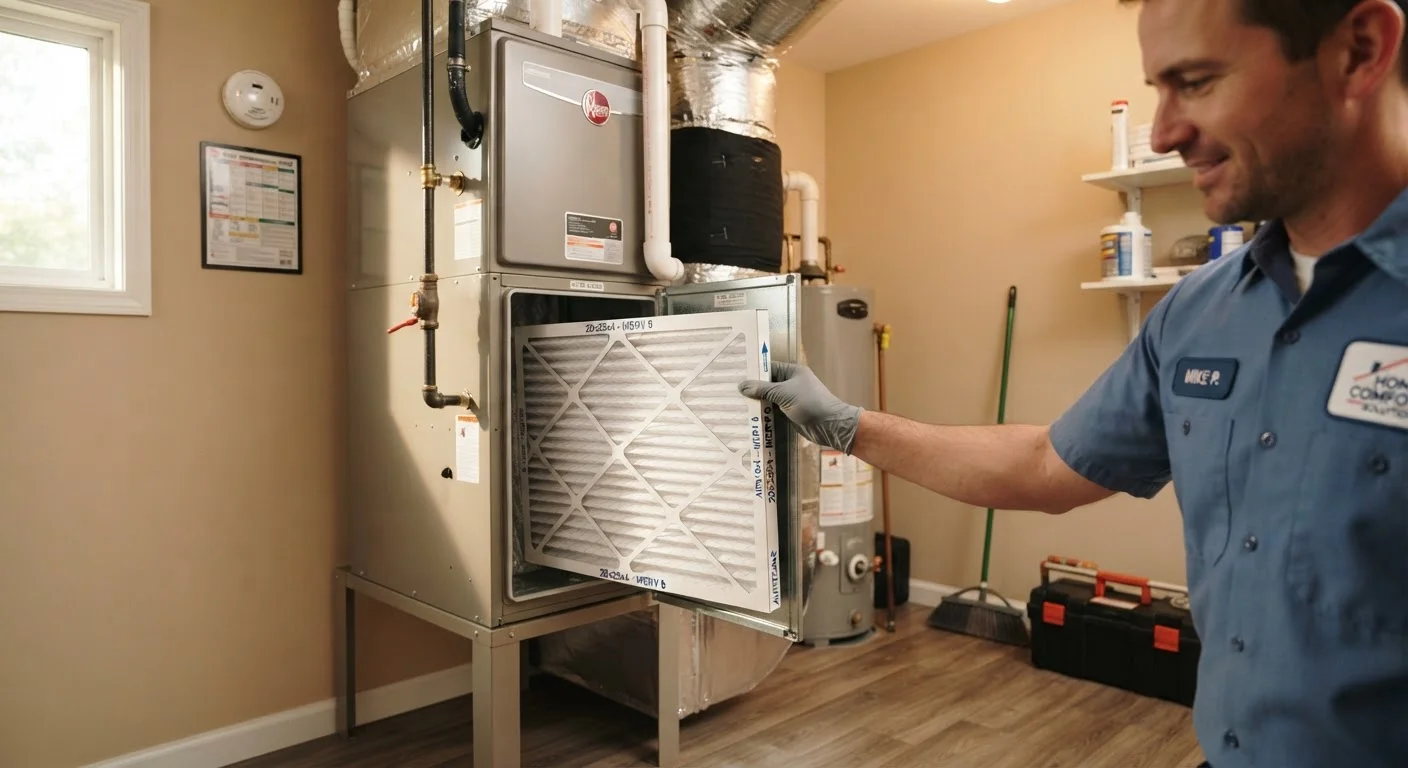
Photo credit: Glowwwatch.com
In this article
Heating and cooling systems need regular attention. Here's what a consistent HVAC maintenance routine actually looks like and why it pays off.
Key Takeaways
- Replace HVAC filters every 1–3 months depending on filter type, pets, and indoor air quality needs.
- Annual furnace tune-ups by a licensed technician catch small problems before they become expensive failures.
- Keeping vents clear and coils clean significantly improves system efficiency and lifespan.
- Skipping routine HVAC maintenance can void manufacturer warranties and raise energy bills.
- Simple monthly habits — like checking filters and clearing debris around the outdoor unit — cost almost nothing.
Why HVAC Maintenance Deserves a Spot on Your Calendar
Your heating, ventilation, and air conditioning (HVAC) system works year-round without much fanfare — until it doesn't. Most homeowners don't think about their furnace or air handler until a sweltering July afternoon or a freezing January night reveals a problem. By then, an avoidable issue has often become an emergency repair.
A consistent maintenance routine keeps your system running efficiently, extends its working life, and helps protect indoor air quality. It also parallels the logic behind other routine upkeep: just as neglecting your vehicle's air filter strains the engine (a concept explored in what happens when you ignore an air filter), a clogged HVAC filter forces your blower motor to work harder than it should, raising energy use and accelerating wear. The cost of prevention is nearly always lower than the cost of repair — a principle detailed further in the hidden costs of deferred home maintenance.
The Core Practices Every Homeowner Should Follow
HVAC maintenance isn't a single annual event — it's a layered routine with monthly, seasonal, and annual tasks. The following practices form the foundation of a reliable system.
Change your HVAC filter on a consistent schedule — at least every 90 days for standard filters.
A clogged filter restricts airflow, forcing the blower motor to strain and reducing the system's ability to heat or cool effectively. Over time, restricted airflow also allows dust and debris to accumulate on internal components, shortening their lifespan. Homes with pets, multiple occupants, or allergy sufferers may benefit from monthly changes.
Schedule a professional furnace and AC tune-up once per year, ideally before the peak season begins.
Annual inspections allow a licensed HVAC technician to identify worn parts, check safety controls, and clean components that affect combustion efficiency. Catching a failing capacitor or a cracked heat exchanger during a $100–$200 tune-up is far less costly than an emergency replacement in the middle of winter.
Keep supply and return vents clear of furniture, rugs, and curtains at all times.
Blocked vents create pressure imbalances throughout the duct system, reducing efficiency and potentially causing the system to short-cycle (turn on and off too frequently). Short-cycling accelerates wear on the compressor and blower motor — two of the most expensive components to replace.
Clear a two-foot perimeter around your outdoor condenser unit and clean the fins seasonally.
The outdoor condenser releases heat absorbed from inside your home. When shrubs, leaves, or debris obstruct airflow around the unit, the system must work harder to reject heat, reducing efficiency and risking compressor overheating. Gently rinsing the fins with a garden hose removes surface debris without damaging the delicate aluminum fins.
Test and replace carbon monoxide and smoke detector batteries each time you change your HVAC filter.
HVAC systems — particularly gas furnaces — are a leading source of carbon monoxide in residential settings. Tying detector checks to filter changes creates a built-in reminder that costs very little time and could be lifesaving. Carbon monoxide is odorless and colorless, making detector function the only reliable warning.
HVAC upkeep fits naturally into a broader seasonal home care rhythm. For a structured quarterly view across all your home's systems, see the seasonal home maintenance checklist.
Start Here: Quick Actions You Can Take Today
You don't need to wait for a scheduled service call to make a meaningful difference. Several high-impact steps take less than fifteen minutes and require no special tools.
Think of these the same way you'd approach routine vehicle upkeep — small, regular actions that prevent large, costly interventions. The parallel is explored in routine car maintenance.
What a Professional Tune-Up Actually Covers
Many homeowners assume an annual furnace inspection is optional — something contractors push to generate revenue. In reality, a thorough tune-up performed by a licensed HVAC technician covers tasks that simply cannot be done safely without proper training and equipment.
5–15%
Potential energy savings from regular HVAC maintenance
The U.S. Department of Energy estimates that proper HVAC maintenance, including clean filters and tuned equipment, can reduce energy consumption by this range.
15–20 years
Typical HVAC system lifespan with proper care
Industry sources generally cite this range for well-maintained systems, compared to 10–12 years for neglected ones.
During a standard tune-up, a technician typically inspects the heat exchanger for cracks (a cracked heat exchanger can allow carbon monoxide to enter living spaces), checks refrigerant levels, tests electrical connections, measures airflow, cleans the burners and igniter, and verifies that the thermostat is calibrated correctly. These checks catch degradation early — before a failing part causes a full system breakdown during peak-demand weather.
It's worth noting that some manufacturer warranties require documented annual professional servicing to remain valid. Verify your warranty terms so you don't inadvertently void coverage by skipping professional maintenance.
When to Call a Pro vs. DIY
Filter changes, vent cleaning, and outdoor unit clearing are safe DIY tasks for most homeowners. However, work involving electrical components, refrigerant, gas lines, combustion systems, or the heat exchanger should always be performed by a licensed HVAC technician. In most states, handling refrigerants without proper EPA certification is illegal. If you notice unusual odors, sounds, or a sudden spike in energy bills, contact a licensed professional rather than attempting to diagnose the system yourself.

Author
Home & Garden Editorial Team
Home & Garden Editorial Team is the collective byline for our editorial team and contributor network. Articles published under this byline or an editorial pen name are researched, written, and reviewed according to our editorial standards for clarity, consistency, and independence before publication.
View all articles →