
Hydration and Nutrition: How Water Shapes How Your Body Uses Food
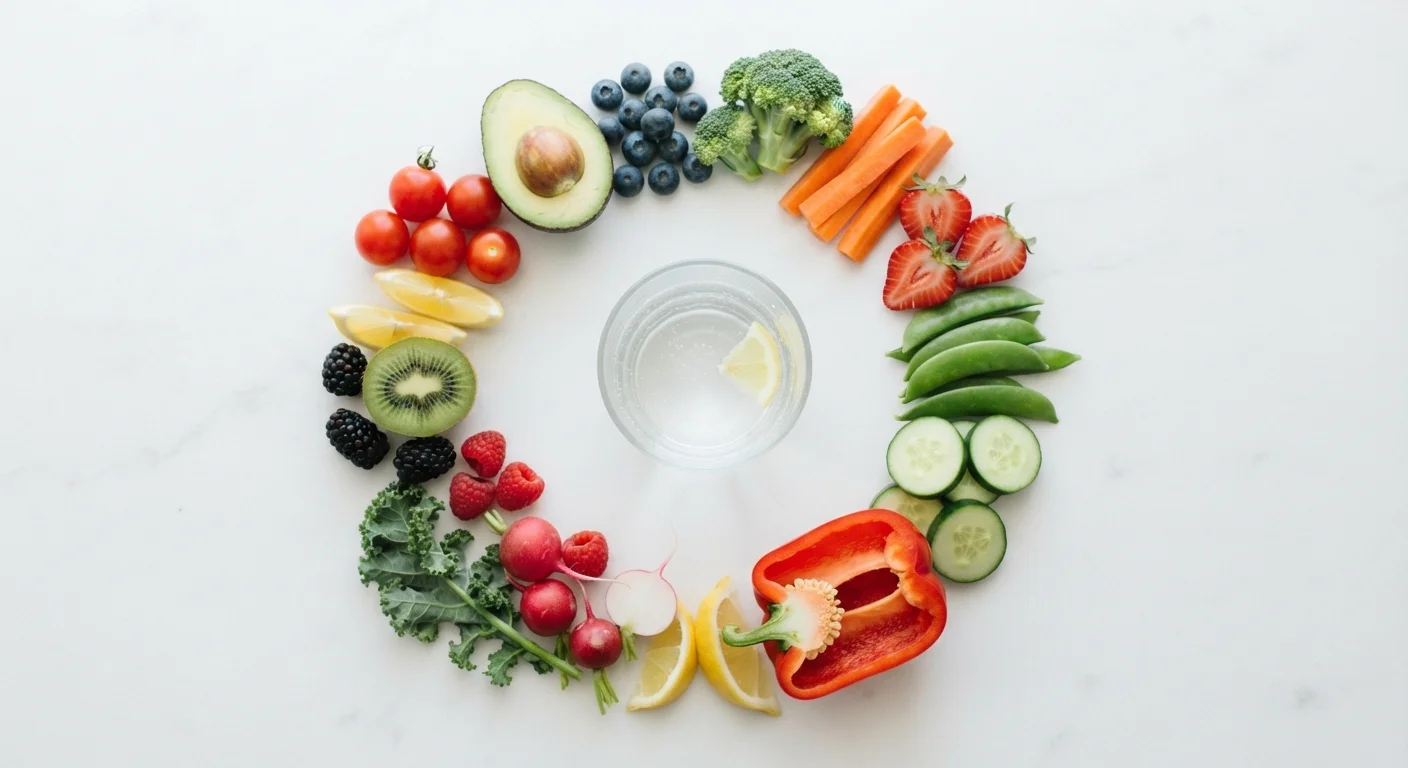
Photo credit: Glowwwatch.com
In this article
Water isn't just thirst-quenching — it's essential to digestion, nutrient absorption, and metabolism. Here's what the science says.
Key Takeaways
- Water is involved in digestion, nutrient absorption, and metabolism — not just hydration.
- Dehydration can slow digestion and impair the body's ability to absorb vitamins and minerals.
- Some vitamins (A, D, E, K) require fat to absorb, while others (B vitamins, vitamin C) are water-soluble.
- Drinking water with meals supports digestion but does not significantly dilute stomach acid.
- Food itself contributes meaningfully to daily fluid intake, especially fruits and vegetables.
- Individual hydration needs vary based on body size, activity, climate, and health status.
Why Water Is More Than Just a Thirst-Quencher
Most people think of water as something you drink when you're thirsty. But water is also a working ingredient in nearly every process your body uses to turn food into fuel. From the moment you take a bite, water is involved — breaking down food in the stomach, helping enzymes do their job, and carrying nutrients through your bloodstream to the cells that need them.
Without adequate water, digestion slows. Nutrients that should be absorbed and transported get left behind. Waste that should be eliminated builds up. Understanding this connection between hydration and nutrition helps explain why diet quality alone doesn't tell the full story of how well your body uses food. For a broader look at what shapes food value, the concept of nutrient density is worth understanding alongside hydration.
~60%
Percentage of adult body weight that is water
According to the U.S. Geological Survey, water makes up roughly 60% of adult body weight and is involved in virtually every biological process.
~20%
Daily fluid intake that comes from food
The National Academies of Sciences, Engineering, and Medicine estimates that approximately 20% of daily fluid intake typically comes from food rather than beverages.
1–2%
Body fluid loss linked to performance decline
Research published in the Journal of Athletic Training suggests that fluid losses of just 1–2% of body weight can measurably reduce physical and cognitive performance.
How Water Powers Digestion Step by Step
Digestion begins in the mouth, where saliva — which is mostly water — starts breaking down starches and lubricates food for swallowing. In the stomach, water helps dissolve food and mix it with gastric acid and enzymes. The resulting mixture, called chyme, then moves into the small intestine where most nutrient absorption takes place.
In the small intestine, water allows nutrients to pass through the intestinal wall and enter the bloodstream. Without enough fluid, this membrane becomes less permeable to certain compounds, and absorption efficiency drops. In the large intestine, water softens stool and supports regular bowel movements — when intake is low, constipation often follows.
A Simple Hydration Check You Can Do Daily
Urine color is one of the easiest ways to gauge your hydration status. Pale yellow generally indicates you're well hydrated; dark yellow or amber suggests you need more fluid. This quick visual check requires no tracking app or measuring — just awareness.
Water-Soluble vs. Fat-Soluble Nutrients: What Water Has to Do With It
Not all nutrients interact with water the same way. Vitamins fall into two main categories based on how they dissolve and are stored in the body:
- Water-soluble vitamins — including vitamin C and all eight B vitamins — dissolve in water and travel through the fluid-rich bloodstream. Because the body doesn't store large amounts of them, they need to be replenished regularly through food and fluids.
- Fat-soluble vitamins — A, D, E, and K — require dietary fat to be absorbed in the small intestine and are stored in fatty tissue and the liver. Water plays a supporting role in the overall digestive process but isn't the direct medium for their absorption.
Understanding this distinction matters when thinking about how you eat. A meal high in fat-soluble vitamins (like a salad with leafy greens) is better absorbed when eaten with a source of healthy fat. Meanwhile, staying hydrated supports the continuous transport of water-soluble nutrients throughout the day. Nutrition labels rarely tell you this — for more on their limitations, see where nutrition labels fall short.
“Water is the medium in which virtually all biochemical reactions in the body occur. Without adequate hydration, even a nutritionally complete diet cannot be fully utilized.”
— Walter Willett, Professor of Epidemiology and Nutrition, Harvard T.H. Chan School of Public Health
Practical Takeaways: Hydration as Part of Eating Well
Improving hydration doesn't require dramatic changes. A few well-grounded habits make a real difference:
- Eat water-rich foods. Cucumbers, lettuce, tomatoes, watermelon, and oranges are mostly water by weight. Building meals around whole fruits and vegetables naturally boosts fluid intake alongside fiber and micronutrients. This is part of what makes the nutrition basics framework so useful for everyday eaters.
- Drink water before and with meals. A glass of water before eating can support stomach acid production and enzyme activity. Sipping water during a meal helps move food along the digestive tract.
- Don't rely on thirst alone. By the time you feel thirsty, you may already be mildly dehydrated. Urine color is a practical guide — pale yellow is generally a sign of adequate hydration.
It's also worth noting that beverages beyond plain water contribute to fluid intake. However, alcohol has a diuretic effect and can increase fluid losses — something worth keeping in mind when thinking about overall hydration. For context on how alcohol moves through the body, why alcohol affects people so differently offers useful background.
Individual hydration needs vary. People who exercise heavily, live in hot climates, are pregnant, or manage certain health conditions may need more fluid than general population estimates suggest. Always consult a qualified healthcare professional for guidance specific to your situation.
This article is for general informational and educational purposes only and is not a substitute for professional medical or nutritional advice. Consult a qualified healthcare provider for guidance tailored to your individual health needs.
Frequently Asked Questions

Author
Health & Wellness Editorial Team
Health & Wellness Editorial Team is the collective byline for our editorial team and contributor network. Articles published under this byline or an editorial pen name are researched, written, and reviewed according to our editorial standards for clarity, consistency, and independence before publication.
View all articles →