
Nutrient Density: The Concept That Changes How You Think About Food Value
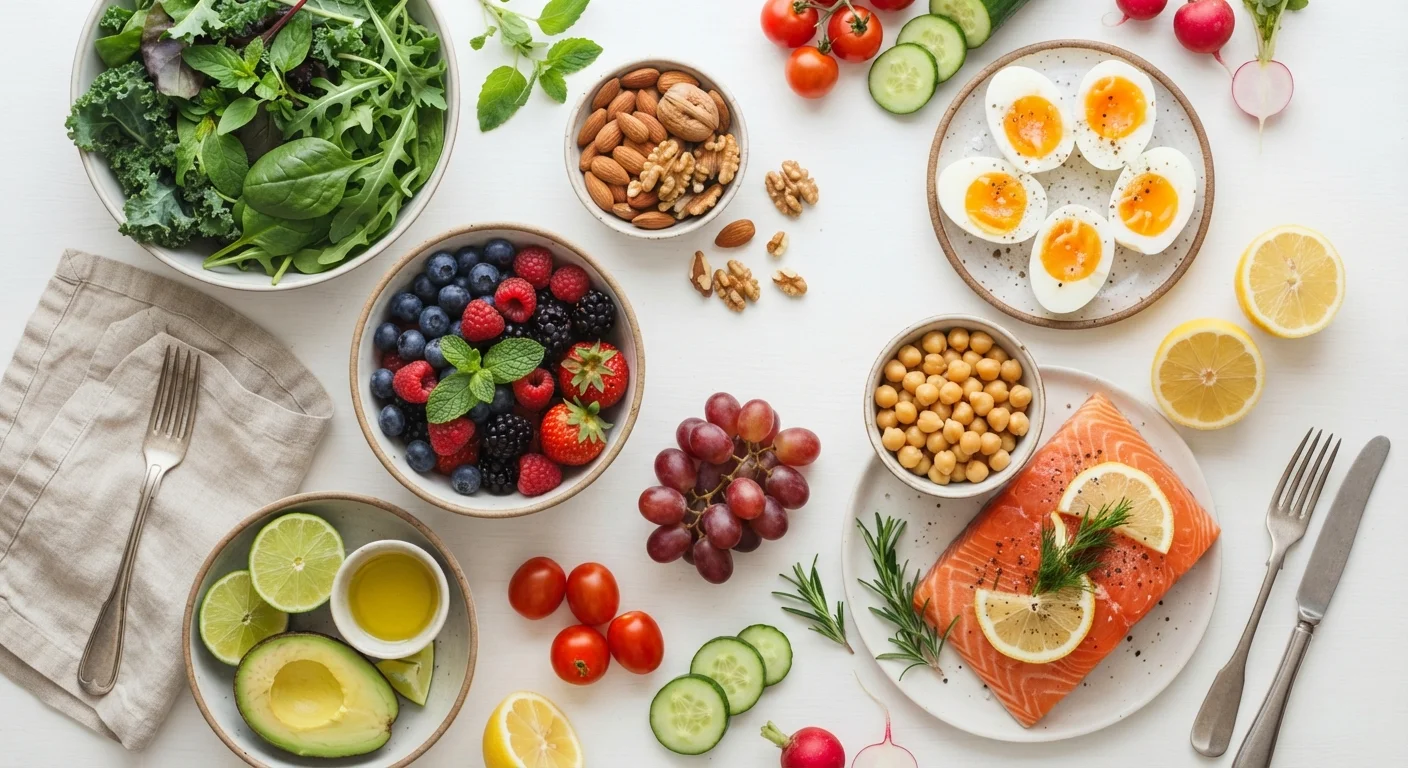
Photo credit: Glowwwatch.com
In this article
Calorie counts tell you one thing; nutrient density tells you another. Learn what the term means and why nutrition experts use it.
Key Takeaways
- Nutrient density measures nutrition per calorie, not total calories alone.
- Whole foods like vegetables, legumes, and fish tend to be highly nutrient-dense.
- Calorie counts and nutrient density are separate measures that tell different stories.
- Eating nutrient-dense foods can help you meet nutritional needs without excess calories.
- Nutrient density is a useful lens for grocery shopping and everyday meal planning.
Why the Calorie Metric Only Goes So Far
For decades, calorie counts have been the most visible number on food packaging. They tell you how much energy a food provides — and that is genuinely useful information. But energy is only one dimension of what food does for the body. Calories say nothing about whether a food delivers iron, calcium, folate, fiber, or vitamin C alongside that energy.
This is exactly the gap that nutrient density fills. Rather than asking how many calories does this contain?, nutrient density asks a different question: what does this food actually provide per calorie? It shifts attention from quantity to quality. As our companion piece on calorie counting explains, tracking calories has real value — but it leaves out a significant part of the nutritional picture.
Understanding nutrient density gives everyday eaters a more complete framework for evaluating what they put on their plates.
How Nutrient Density Actually Works
The core idea is straightforward: divide the nutritional value a food provides by the calories it contains. Foods that score well on this ratio deliver substantial vitamins, minerals, protein, fiber, or other beneficial compounds without requiring you to consume a large number of calories to get them.
Consider two examples side by side. A cup of raw spinach contains roughly 7 calories and provides meaningful amounts of vitamin K, folate, iron, and magnesium. A small handful of plain crackers might contain around 70 calories while offering little beyond refined starch. Neither food is inherently forbidden — but their nutrient density profiles are very different.
~7 kcal
Calories in one cup of raw spinach
Despite its minimal calorie count, spinach provides vitamin K, folate, iron, and magnesium — highlighting how nutrient density and calorie count can diverge dramatically.
More than 40
Essential nutrients the human body requires
The National Institutes of Health notes that humans need more than 40 essential nutrients from food — a complexity that calorie counts alone cannot capture.
~90%
Water content of cucumber by weight
High-water, low-calorie vegetables like cucumber illustrate how nutrient-dense foods often have a very low calorie density, offering hydration alongside vitamins and minerals.
It is worth noting that nutrient density is not a single official score stamped on packaging. It is a way of thinking — a mental model nutrition educators use to help people move beyond surface-level label reading. For a broader grounding in how nutritional concepts connect, the nutrition fundamentals guide covers the core building blocks in plain language.
Nutrient-Dense Foods in Practice
Applying the concept does not require a spreadsheet. In practice, foods that tend to rank high in nutrient density share a few recognizable traits: they are minimally processed, relatively close to their natural form, and rich in multiple nutrients at once.
Foods that nutrition researchers and dietitians frequently describe as nutrient-dense include dark leafy greens, cruciferous vegetables (like broccoli and cabbage), legumes, eggs, fatty fish, berries, and unsalted nuts and seeds. These are foods where a modest serving size delivers a meaningful portion of several daily nutritional needs.
Conversely, foods described as having low nutrient density — sometimes called "empty calorie" foods — deliver most of their energy through added sugars or refined fats, with few accompanying vitamins or minerals. This does not make them morally off-limits; it simply means they contribute less nutritional value per calorie consumed.
Putting Nutrient Density to Work in Your Eating Habits
Nutrient density becomes practical the moment you use it as a lens for everyday choices — not a rigid rule, but a useful question to ask when deciding what to eat or buy. When you are at the store, for instance, comparing two options on the basis of what nutrients each delivers (not just price or calories) is exactly the kind of thinking our grocery shopping with nutrition in mind guide is built around.
A Simple Rule of Thumb at the Store
When comparing two similar products, glance at the fiber, protein, vitamin, and mineral content alongside the calorie count — not just the calorie count alone. Foods that offer more nutrients per calorie are generally the nutrient-denser choice. This habit takes seconds and builds nutritional literacy over time.
One practical starting point: look for ways to add nutrient-dense foods alongside whatever you are already eating, rather than overhauling your diet entirely. Adding a handful of spinach to a pasta dish, swapping refined crackers for a small serving of nuts as a snack, or incorporating legumes into soups are small moves that meaningfully shift a meal's nutritional profile without dramatic sacrifice.
Nutrient density also pairs naturally with other nutrition concepts. Nutrition labels leave out a great deal — nutrient density thinking helps you fill those gaps by evaluating what labels do not show you at a glance.
This article is for general informational and educational purposes only. It is not a substitute for personalized medical or dietary advice. Please consult a registered dietitian or qualified healthcare professional for guidance tailored to your individual health needs.
Frequently Asked Questions

Author
Food & Drinks Editorial Team
Food & Drinks Editorial Team is the collective byline for our editorial team and contributor network. Articles published under this byline or an editorial pen name are researched, written, and reviewed according to our editorial standards for clarity, consistency, and independence before publication.
View all articles →