
Grocery Shopping with Nutrition in Mind
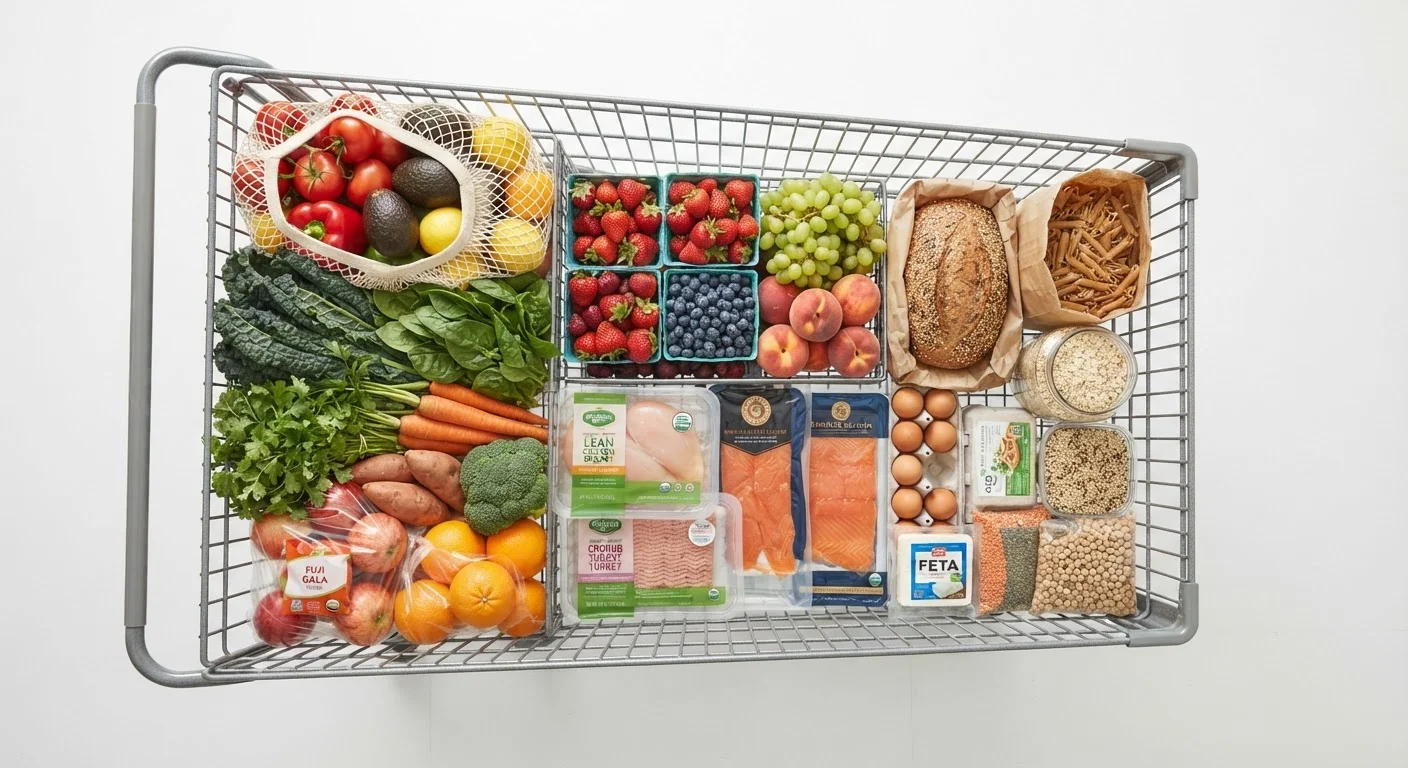
Photo credit: Glowwwatch.com
In this article
A practical checklist to help you navigate the grocery store with an eye on nutrient quality, not just calories or cost.
Key Takeaways
- Planning your grocery list by food group helps ensure nutritional variety without calorie counting.
- Reading ingredient lists — not just nutrition facts panels — reveals more about food quality.
- Whole, minimally processed foods generally deliver more nutrients per serving than their refined counterparts.
- Perimeter shopping is a useful starting point, but nutrient-dense options exist throughout the store.
- Small, consistent shopping habits compound into meaningful long-term dietary improvements.
Why Your Shopping Cart Shapes Your Nutrition
What ends up in your kitchen is largely determined at the grocery store. If nutrient-dense foods come home with you, they're what you'll cook and eat. If the cart fills up with highly processed products, those become the defaults. The goal of this checklist isn't perfection — it's building a reliable, repeatable routine that supports better nutrition without requiring expert-level knowledge every trip.
Before diving in, it helps to understand a few core ideas. Not all food choices are equal in terms of nutrient density — the amount of vitamins, minerals, fiber, and other beneficial compounds relative to calories. Our end-to-end nutrition guide explains these concepts in depth if you want background reading first. This checklist translates those ideas into practical store-by-store actions.
Use the checklist below during your pre-shop planning, while you're in the store, or as a post-trip audit. Run through it consistently and it quickly becomes second nature.
Pre-Trip Planning
Produce Department
Proteins and Dairy
Packaged and Grain Goods
Final Cart Review
How to Use This Checklist
The checklist is divided into four stages: pre-trip planning, fresh departments, packaged goods, and a final cart review. You don't need to nail every item on the first attempt. Prioritise the must items first — these represent the highest-impact habits supported by general dietary guidance. Layer in should and nice-to-have items as the routine becomes comfortable.
Nutrition Labels Have Limits
The nutrition facts panel is a useful tool, but it doesn't tell the whole story about food quality. A product can be low in calories while being high in added sugars or low in fibre. Always cross-reference the ingredient list with the nutrition panel, and remember that whole foods without labels — like vegetables and legumes — are often the most nutrient-dense choices available.
For a broader view of how these shopping habits connect to long-term eating patterns, see our guide on building healthier eating habits without overhauling your life. And if you want to sharpen your label-reading skills before your next trip, this guide on what nutrition labels leave out covers the blind spots that panels alone won't show you.
Tools below will help you stay organised and consistent each time you shop.
Meal planning notepad or app
Organise your weekly meals before building your grocery list to ensure food group coverage.
Nutrition facts panel reference
Use when comparing packaged products for sodium, added sugars, and fibre content at the shelf.
Reusable grocery bags sorted by category
Separating produce, proteins, and dry goods during shopping reduces cross-contamination and organises unpacking.
Smartphone or printed quick-reference guide
A vitamins and minerals reference helps you recall which foods supply specific nutrients while browsing aisles.
After the Trip: Keep the Momentum Going
A good grocery haul sets the stage, but what you do with it matters just as much. Once you're home, consider doing a quick organisation pass — place whole fruits and pre-washed vegetables at eye level in the fridge so they're the easy grab. Store whole grains and legumes in clear containers so you're reminded to use them.
Over time, tracking variety is more useful than tracking calories. Our weekly eating audit checklist helps you reflect on whether your meals are drawing from a wide enough range of food groups and colours — no numbers required.
If you're new to thinking about specific nutrients and which foods contain them, the vitamins and minerals quick-reference guide is a handy reference to keep bookmarked while shopping. And understanding why whole grains outperform refined ones — explored in our whole grains vs. refined grains article — makes grain aisle decisions much easier.
This article is for general informational and educational purposes only and does not constitute medical or dietary advice. Consult a qualified healthcare provider or registered dietitian for guidance tailored to your individual health needs.

Author
Health & Wellness Editorial Team
Health & Wellness Editorial Team is the collective byline for our editorial team and contributor network. Articles published under this byline or an editorial pen name are researched, written, and reviewed according to our editorial standards for clarity, consistency, and independence before publication.
View all articles →