
Your Car's Maintenance Schedule, Explained
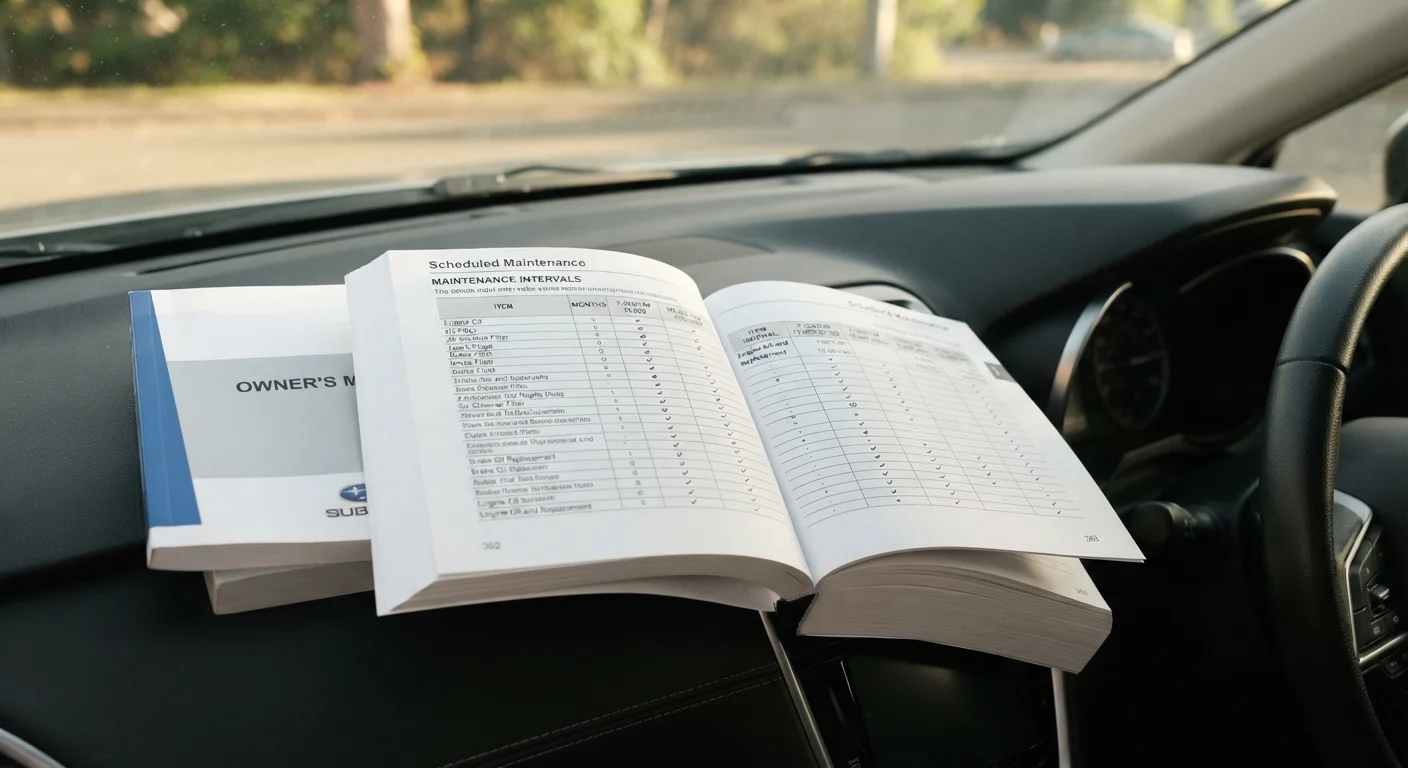
Photo credit: Glowwwatch.com
In this article
Confused by mileage intervals and service codes? Learn what your vehicle's maintenance schedule actually means and why timing matters.
Key Takeaways
- Your owner's manual contains the most accurate maintenance schedule for your specific vehicle.
- Maintenance intervals are based on mileage, time, or both — whichever comes first.
- Skipping scheduled service can void warranties and lead to expensive repairs.
- Modern vehicles often have onboard systems that alert you when service is actually due.
- Driving habits — like frequent short trips or towing — can shorten recommended intervals.
What a Maintenance Schedule Actually Is
Think of your car's maintenance schedule as a health calendar for your vehicle. It lists specific tasks — changing the engine oil, rotating tires, inspecting brakes, flushing coolant — and tells you when each one should happen based on how far you've driven or how much time has passed.
Manufacturers build these schedules after extensive testing of their own engines, transmissions, and other components. That means the schedule in your owner's manual isn't generic advice — it's tailored to your specific vehicle. It's the most trustworthy source you have.
For a broader look at how these tasks fit together, see our complete guide to vehicle systems and schedules.
7,500–10,000
Miles between oil changes for many modern vehicles
Many automakers now specify synthetic oil intervals well above the old 3,000-mile standard; always verify in your owner's manual.
30,000 / 60,000 / 90,000
Common major service milestones
These mileage checkpoints typically trigger inspection or replacement of spark plugs, belts, filters, and other longer-life components.
2 triggers
How most maintenance intervals are defined
Most scheduled tasks specify both a mileage and a time limit — whichever arrives first determines when service is due.
How Intervals Work: Mileage, Time, and Conditions
Most maintenance tasks are listed with two triggers: a mileage milestone and a time limit. For example, a schedule might say to change the oil every 7,500 miles or every 12 months. The rule is simple — whichever comes first wins.
This matters because chemical breakdown doesn't wait for your odometer. Engine oil, brake fluid, and coolant all degrade over time regardless of whether you've driven across the country or just around the block.
Many schedules also distinguish between normal and severe driving conditions. Severe conditions aren't just about speed or terrain — they include everyday situations like frequent short trips, extreme heat or cold, heavy traffic, or regular towing. If your commute involves a lot of stop-and-go driving, your car may need service sooner than the standard interval suggests.
Learn more about how modern service intervals compare to older guidelines, including why the 3,000-mile oil change rule no longer applies to most vehicles.
Common Services and What They Protect
A typical maintenance schedule covers several categories of work:
- Engine oil and filter: Keeps moving parts lubricated and removes contaminants. One of the most frequent tasks on any schedule.
- Tire rotation: Evens out tread wear across all four tires, extending their usable life.
- Air filter replacement: Maintains clean airflow to the engine, supporting fuel efficiency.
- Brake inspection: Confirms pads, rotors, and fluid are within safe operating limits. See our brake maintenance explainer for what to expect.
- Fluid checks and flushes: Covers coolant, transmission fluid, power steering fluid, and brake fluid — each with its own interval.
- Spark plugs and belts: Longer-interval items, often checked at 30,000, 60,000, or 90,000 miles, but critical to engine performance and reliability.
For a task-by-task breakdown of what mechanics actually look at, routine car maintenance explained covers each service in plain terms.
Keep a Simple Service Log
Record the date, mileage, and type of service every time work is done — even routine oil changes. A basic notebook in the glove box or a notes app on your phone works fine. This log becomes valuable evidence of proper care if a warranty question arises or when you eventually sell the vehicle.
Reading Your Dashboard's Service Reminders
Most vehicles made in the past two decades have an onboard maintenance reminder system. Depending on the make, you might see a wrench icon, a message saying "Oil Life: 15%," or a more detailed menu listing multiple upcoming services.
These systems vary widely. Some simply count down from a preset mileage. Others use algorithms that factor in driving patterns, engine temperature cycles, and load — adjusting the reminder based on how the car has actually been used. Neither type is a substitute for reading your owner's manual, but both are useful prompts.
If a warning light appears alongside a service reminder, that's a different story — it may indicate something needs attention now rather than at the next scheduled interval. Dashboard warning lights explained can help you sort out what's urgent and what can wait.
Why Sticking to the Schedule Pays Off
Preventive maintenance costs money upfront, but skipping it tends to cost more later. A neglected cooling system can lead to overheating and engine damage. Worn brake pads can damage rotors, turning a modest repair into a significantly larger one.
There's also the matter of resale value and warranty protection. Documented service history signals to future buyers — and to warranty administrators — that the vehicle was cared for properly. Under the Magnuson-Moss Warranty Act, manufacturers generally cannot require you to use their dealership for routine service, but they can require proof that the work was done.
If you're starting fresh with a new vehicle, car ownership maintenance from day one walks through how to build good habits early. For longer-term planning, keeping a car in good shape over the long haul covers what matters most as mileage climbs.
Frequently Asked Questions

Author
Autos Editorial Team
Autos Editorial Team is the collective byline for our editorial team and contributor network. Articles published under this byline or an editorial pen name are researched, written, and reviewed according to our editorial standards for clarity, consistency, and independence before publication.
View all articles →