
DIY Car Maintenance vs. Taking It to a Shop
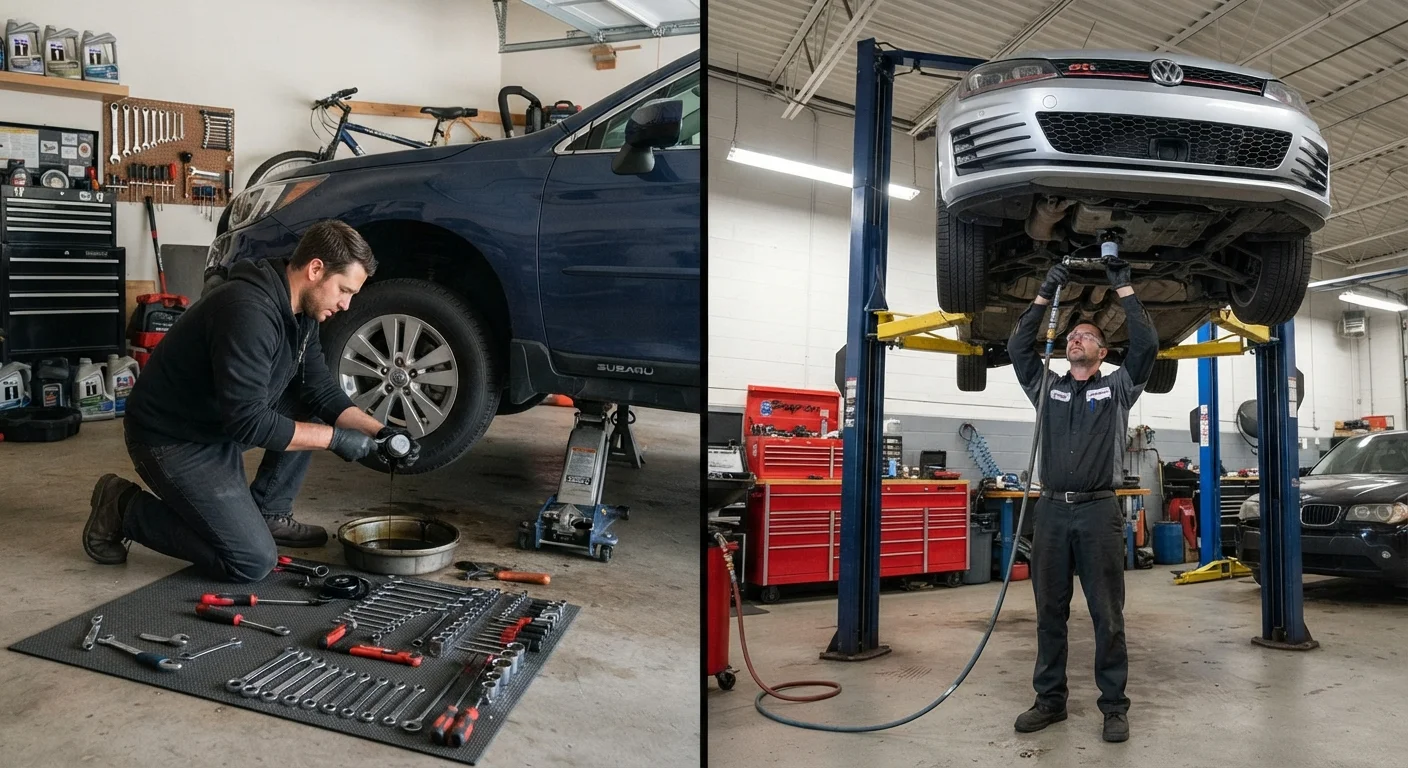
Photo credit: Glowwwatch.com
In this article
Some tasks are straightforward at home; others are better left to a licensed mechanic. Here's how to tell the difference.
Key Takeaways
- Simple tasks like air filter swaps, wiper replacements, and fluid top-offs are manageable DIY jobs for most drivers.
- Brake repairs, suspension work, and anything involving airbags or advanced electronics should go to a qualified mechanic.
- DIY mistakes can void warranties, create safety hazards, or cost more to fix than a shop visit would have.
- Your skill level, available tools, and vehicle complexity should all factor into the decision.
- When in doubt, getting a professional diagnosis first can help you decide whether to DIY or hand it off.
Why This Decision Matters More Than You Think
Every car owner eventually faces the same question: handle this yourself, or call a shop? The answer isn't always obvious. Getting it wrong in either direction has real consequences — paying a mechanic for a job you could have done in 20 minutes, or tackling a repair that puts you or others at risk on the road.
This isn't about being handy versus not handy. It's about matching the right task to the right skill level, tools, and risk tolerance. Understanding car ownership responsibilities from the start makes these calls easier over time. The goal here is to give you a clear framework for deciding — no guesswork required.
Tasks That Are Generally Safe to DIY
Several routine jobs require minimal tools, carry low safety risk, and have plenty of reliable tutorials available. These are the tasks most drivers can reasonably handle at home:
- Engine air filter replacement: Usually just a matter of unclipping a housing and swapping the filter. Check your owner's manual for the correct filter type and replacement interval.
- Windshield wiper blades: Most wiper arms use a simple clip mechanism. The replacement process takes under five minutes per blade.
- Cabin air filter: Often located behind the glove box or under the dashboard. No special tools needed in most vehicles.
- Fluid top-offs: Coolant, washer fluid, and power steering fluid reservoirs are clearly labeled under the hood. Topping them off is straightforward — but note that adding the wrong fluid type can cause damage, so always confirm first.
- Battery terminal cleaning: Corrosion on battery terminals can cause starting issues. A wire brush and a baking soda solution handle this safely, as long as you disconnect the negative terminal first.
For a broader look at what these tasks involve and why they matter, see our guide to routine car maintenance.
Start Small and Build Confidence
If you're new to DIY maintenance, start with the simplest tasks — wiper blades or an air filter — before moving on to anything more involved. Each successful job builds your familiarity with your vehicle and helps you recognize when something looks or feels wrong. Keep a small notebook or photo record of what you've done and when.
Jobs That Belong in a Shop
Some repairs look approachable on a video tutorial but involve real safety hazards or require equipment that most home garages don't have. These are best left to a qualified mechanic:
- Brake system work: Brake pads, rotors, calipers, and brake lines all affect stopping power. An error here isn't just expensive to fix — it's dangerous while driving.
- Suspension and steering components: These systems affect vehicle stability and handling. Improper reassembly can make a vehicle unpredictable at speed.
- Airbag or supplemental restraint system (SRS) repairs: Airbag systems carry explosive charges. Mishandling them can cause accidental deployment, which can injure you seriously.
- Transmission repairs: Internal transmission work requires specialized tools, a clean environment, and significant expertise. Even experienced DIYers typically send this out.
- Advanced electronics and module programming: Modern vehicles rely on interconnected computer systems. Replacing or reprogramming modules incorrectly can disable safety features or trigger cascading faults.
Don't Underestimate Safety-Critical Systems
Brakes, steering, and suspension components directly affect your ability to control the vehicle in an emergency. A repair that seems straightforward in a video can go wrong quickly without the right tools, torque specs, and experience. If there's any doubt about your ability to complete a safety-related repair correctly, have a licensed mechanic do it — or at minimum inspect your work.
If your vehicle is still under a manufacturer's warranty, always check the warranty terms before doing your own maintenance. Some warranties require service records from licensed shops to remain valid.
How to Make the Call
Use these questions to guide your decision before picking up a wrench:
- Do I have the right tools? Some jobs require torque wrenches, specialty sockets, or hydraulic lifts. Improvising with the wrong tools can damage parts or create hazards.
- Can I find a reliable, vehicle-specific procedure? Generic tutorials don't always account for your make, model, or model year. Your owner's manual is the most reliable starting point.
- What's the worst-case scenario if I get it wrong? A botched cabin air filter swap is inconvenient. A botched brake job is a different story entirely.
- Will this affect a warranty? Keep records of any DIY work you do, including parts used and dates. This matters if a dispute arises later.
If you're new to car ownership and building your maintenance knowledge from scratch, our car ownership maintenance guide walks through major upkeep tasks in plain terms. The same logic that applies to DIY home repairs versus hiring a contractor holds here — task complexity and safety risk should drive the decision, not pride or cost alone.
A Side-by-Side Look at Common Tasks
The table below lays out common maintenance tasks and how DIY compares to shop service across a few practical criteria.
| DIY at Home | Licensed Mechanic | |
|---|---|---|
| Air filter replacement | Easy, low risk, no special tools | Rarely necessary — straightforward DIY |
| Oil change | Doable with ramps and basic tools; messy | Faster, includes multi-point inspection |
| Brake pad replacement | High risk if done incorrectly | Recommended — safety-critical system |
| Battery replacement | Simple swap on most vehicles | May be needed if module reset required |
| Check engine light diagnosis | OBD-II reader gives codes, not full picture | Full diagnostic equipment and expertise |
| Transmission service | Not recommended for most drivers | Specialized tools and knowledge required |
| Wiper blade replacement | Very easy, takes minutes | Unnecessary — simple DIY task |
| Suspension repair | High complexity, alignment needed after | Recommended — affects vehicle handling |

Author
Autos Editorial Team
Autos Editorial Team is the collective byline for our editorial team and contributor network. Articles published under this byline or an editorial pen name are researched, written, and reviewed according to our editorial standards for clarity, consistency, and independence before publication.
View all articles →