
Why Skipping Small Repairs Often Leads to Bigger Problems
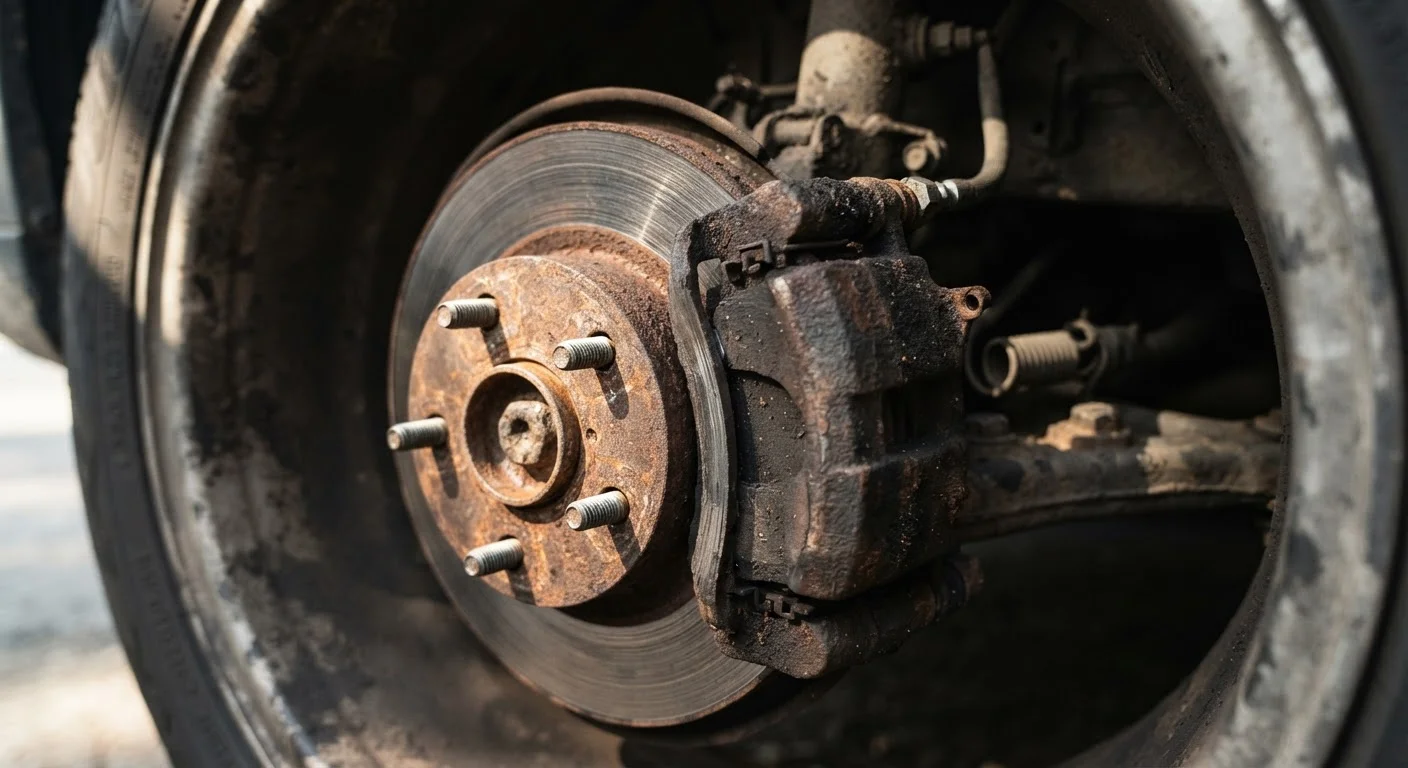
Photo credit: Glowwwatch.com
That slow tire leak or minor brake squeal can escalate quickly. Learn which small issues drivers commonly ignore and what can go wrong.
Key Takeaways
- Minor vehicle issues rarely stay minor — they compound into expensive repairs over time.
- Slow tire leaks, brake squeals, and warning lights are early signals worth acting on promptly.
- Addressing small repairs quickly is almost always cheaper than dealing with the consequences of delay.
- Most deferred maintenance problems are predictable and preventable with routine attention.
The Real Cost of 'I'll Deal With It Later'
Most drivers don't ignore car problems out of carelessness — life gets busy, the car still seems to run fine, and a small issue doesn't feel urgent. But vehicles are interconnected systems. When one component is stressed or failing, it places additional load on the parts around it. A problem that costs a modest amount to fix today can quietly grow into a repair bill several times larger in a matter of weeks or months.
The good news is that understanding why small issues escalate makes it much easier to break the habit of deferring them. Below are the most common mistakes drivers make — and what you can do differently. For a broader look at what scheduled upkeep involves, see our guide on routine car maintenance.
Ignoring a slow tire leak or persistent low-pressure warning.
Why it happens: Drivers often top off the air and move on, assuming the problem is minor or that the tire isn't losing pressure fast enough to matter.
Putting off an oil change past the recommended interval.
Why it happens: The oil light hasn't come on, the car sounds normal, and squeezing out a few extra miles feels harmless — especially when schedules are tight.
Dismissing brake squealing or a soft brake pedal as minor annoyances.
Why it happens: Brakes often squeal intermittently in cold or wet weather, so drivers assume the noise will go away on its own or isn't serious.
Leaving a check engine light or other warning indicator unaddressed.
Why it happens: Without an obvious symptom like smoke or a stall, many drivers assume the light is a false alarm or a minor sensor issue and plan to deal with it "eventually."
Skipping coolant flushes and ignoring early signs of overheating.
Why it happens: Coolant is an easy item to overlook during routine checks because the system is closed and problems aren't visible until the temperature gauge climbs.
How Neglect Compounds Over Time
Each of the mistakes above shares a common thread: what starts as a small, isolated symptom becomes a chain reaction. A slow tire leak forces uneven weight distribution, which accelerates wear on suspension components. Ignoring a brake squeal long enough can mean replacing not just the pads but the rotors — and in serious cases, damaging calipers too. Skipping an oil change doesn't just dirty the oil; it allows sludge to build up and restrict flow to vital engine parts.
3–4×
Cost multiplier of deferred brake repairs
Automotive repair industry data consistently shows that replacing rotors alongside pads costs roughly three to four times more than a pad-only replacement done on schedule.
~25%
Fuel efficiency loss from underinflated tires
The U.S. Department of Energy estimates that tires underinflated by just 1 PSI per tire can reduce fuel economy by around 0.2%, with larger deficits compounding the effect.
Warning lights deserve special mention. Modern vehicles use onboard diagnostics to flag issues early, often before any noticeable symptom appears. Dismissing a check engine light as "probably nothing" eliminates your best early warning system. Some codes do indicate minor issues, but others signal problems — like a misfiring cylinder or a failing catalytic converter — that worsen fast under normal driving conditions.
Don't Drive on a Lit Check Engine Light Indefinitely
A check engine light that stays on — rather than flashing — may not stop your car immediately, but it signals that the vehicle's diagnostic system has logged a fault. A flashing check engine light, however, usually indicates an active misfire that can damage your catalytic converter quickly. If the light is flashing, reduce speed and have the vehicle inspected as soon as safely possible.
If you want to understand the financial side of deferred repairs more deeply, our article on why skipping routine maintenance costs more in the long run breaks down the numbers. The pattern holds across many types of property — homeowners face the same dynamic, as covered in the hidden costs of deferred home maintenance.

Author
Autos Editorial Team
Autos Editorial Team is the collective byline for our editorial team and contributor network. Articles published under this byline or an editorial pen name are researched, written, and reviewed according to our editorial standards for clarity, consistency, and independence before publication.
View all articles →