
Signs Your Home's Drainage Is Working Against You
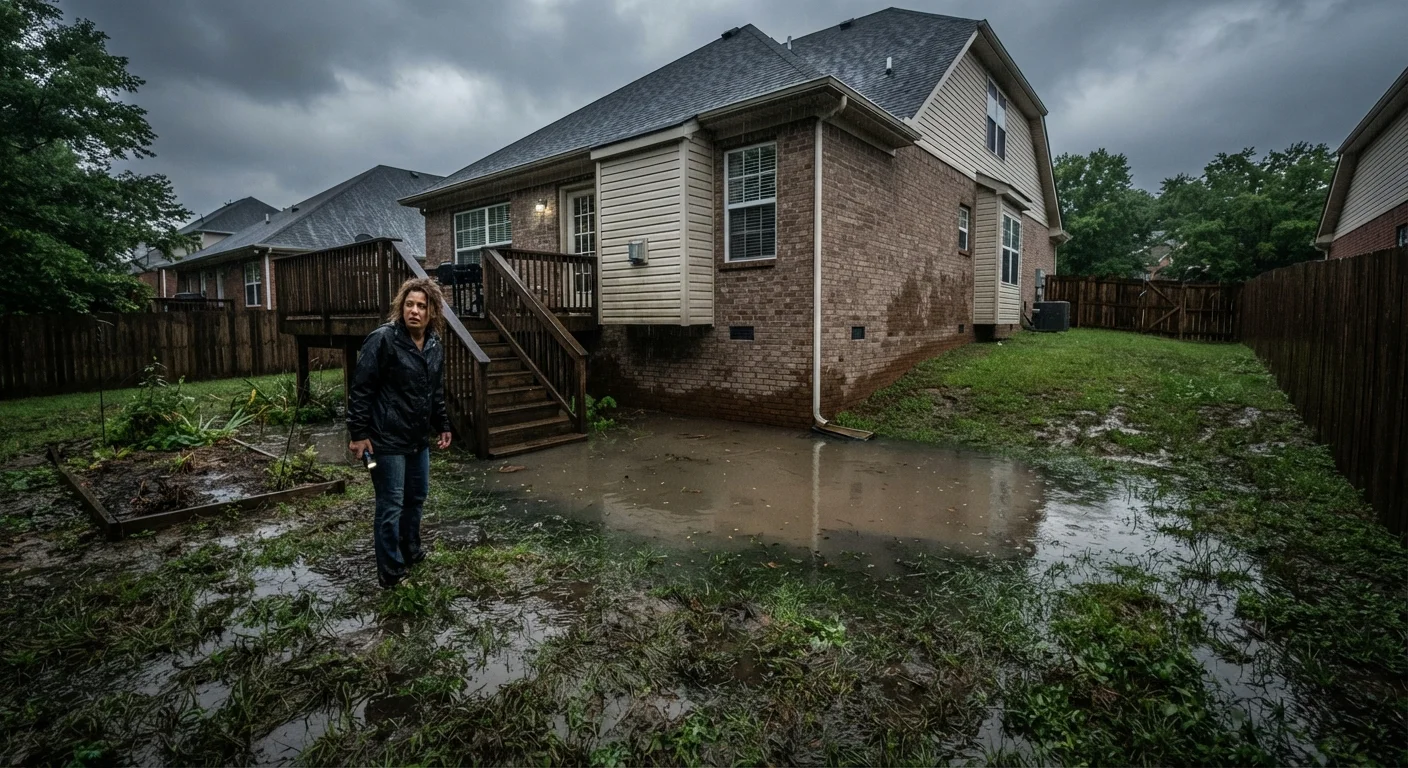
Photo credit: Glowwwatch.com
In this article
Poor grading, pooling water, and slow downspouts all signal drainage issues that can threaten your foundation. Learn what to watch for.
Key Takeaways
- Soil that slopes toward your house directs water straight to your foundation.
- Pooling water, soggy patches, and efflorescence are early warning signs of drainage failure.
- Downspout placement and gutter health directly affect how water moves away from your home.
- Drainage problems caught early are far less expensive to fix than foundation or mold damage.
- Some drainage corrections are DIY-friendly, but significant grading work may require a professional.
How Drainage Problems Sneak Up on Homeowners
Drainage issues rarely announce themselves with a dramatic flood. More often, they build quietly — a patch of soggy lawn here, a damp basement smell there — until water has already begun undermining your foundation, feeding mold, or rotting framing. By the time the damage is visible, the repair bill has usually grown well beyond what early intervention would have cost.
The good news is that most drainage red flags are readable if you know what to look for. A careful walk around your property after a moderate rainstorm is one of the most useful home maintenance habits you can develop. The signs below cover the most common indicators that water is working against your home rather than away from it. For a deeper look at how unchecked moisture escalates, see our article on how small water leaks become big structural problems.
Ground that slopes toward your foundation
The grade — or slope — of the soil around your home is the single most important factor in how rainwater behaves. Building codes generally recommend that the ground slope away from the foundation at least six inches over the first ten horizontal feet. When that slope is flat, compacted, or pitched inward toward the house, every rainfall sends water directly against your foundation walls.
Check this after a rain: if water sheets toward your house rather than away from it, the grade is your problem. In many cases, adding soil and re-sloping a small section of yard can correct this without major excavation.
Soil sloping toward your foundation is the most direct invitation for water damage.
Persistent puddles or soggy patches in the lawn
A yard that takes more than 24–48 hours to drain after a normal rainstorm usually has either a soil permeability issue, a low spot in the grading, or an underground obstruction. Heavy clay soils are particularly prone to this because they absorb water slowly and hold it near the surface longer than sandy or loamy soils.
Soggy patches that return in the same location repeatedly suggest a structural cause — not just slow evaporation. These areas can also drown lawn grass and garden plants. As a related note, chronic waterlogging in garden beds is one of the leading causes of root damage; overwatering and poor drainage cause similar harm to plants.
Lawn areas that stay wet for more than two days after rain signal a drainage problem worth investigating.
Downspouts that discharge too close to the house
Gutters collect roof runoff and channel it to downspouts — but where those downspouts release water matters enormously. A downspout that terminates right at the foundation effectively concentrates thousands of gallons of roof runoff directly against the structure every year. Extensions that carry water at least four to six feet away from the home are a simple, low-cost fix that meaningfully reduces foundation moisture load.
Also check that downspout outlets aren't buried under mulch or blocked by landscaping, which can cause water to back up and pool rather than disperse properly.
Extending downspouts just a few feet further from the house can dramatically reduce foundation moisture.
Water stains, efflorescence, or dampness in the basement
Efflorescence — the white, chalky mineral deposits that appear on concrete or masonry — is a reliable signal that water is moving through your foundation walls and evaporating on the surface. It isn't structural damage on its own, but it's evidence that moisture is present and migrating. Water stains at the base of basement walls, or a persistent musty smell, point to the same underlying issue.
Interior dampness is often a symptom of exterior drainage failure rather than a basement problem per se. Waterproofing the interior without addressing exterior grading or gutters typically treats the symptom, not the cause.
Efflorescence and basement moisture stains are exterior drainage problems wearing an interior disguise.
Erosion channels or bare soil tracks in the yard
If you can see narrow channels where water has carved through lawn or garden beds, or bare soil tracks following the same path after every rain, water is moving across your yard faster than the ground can absorb it. This is called surface runoff channeling, and it both strips topsoil and concentrates water in places you may not want it — often near the house or a neighbor's property line.
Erosion is a sign that your yard lacks adequate ground cover, proper grading, or both. Planting ground cover, adding mulch to sloped beds, or installing a swale (a shallow, grassed depression designed to redirect water) are common corrective strategies.
Visible erosion channels tell you exactly where runoff is concentrating — and where it's heading.
Cracks in the foundation or bowing basement walls
Horizontal cracks in basement walls or visible bowing inward can indicate prolonged hydrostatic pressure — the force exerted by saturated soil pushing against the foundation. This is a serious structural concern that warrants a professional evaluation, not a DIY repair. Vertical hairline cracks are more common and often less urgent, but any crack that is actively growing or letting in moisture should be assessed by a qualified contractor or structural engineer.
It's worth noting that drainage correction alone won't reverse existing structural damage — but it can prevent existing cracks from worsening and reduce the risk of new ones forming.
Horizontal foundation cracks or bowing walls signal hydrostatic pressure — get a professional assessment promptly.
Gutters that overflow or pull away from the fascia
Clogged, sagging, or improperly pitched gutters don't just fail to move water — they actively concentrate it in the wrong places. A gutter that overflows at the midpoint dumps water along your siding and foundation rather than routing it to a downspout. Gutters that have pulled away from the fascia board create a direct path for water to enter behind the siding or into the soffit.
Inspect gutters during or immediately after a rainstorm so you can see exactly where they're overflowing or leaking. For a thorough breakdown of gutter failure modes and how to address them, see our guide on how gutters fail, what goes wrong, and how to maintain them.
Overflowing gutters are a direct cause of foundation moisture — not just a cosmetic nuisance.
What to Do When You Spot the Warning Signs
Identifying a drainage problem is the first step — knowing how to respond is just as important. Minor issues like repositioning a downspout extension or adding mulch to a low garden bed are reasonable weekend projects for most homeowners. Larger corrections, such as regrading a yard or installing a French drain, involve significant earthwork and should be assessed by a licensed landscape contractor or civil engineer to avoid making water movement worse.
Walk Your Property After Every Heavy Rain
Set a habit of inspecting your yard and foundation perimeter within an hour after a significant rainstorm, while evidence is still visible. Note where water pools, where it flows, and how long surfaces stay saturated. Even a 10-minute walk with your phone camera can build a useful record over time that helps you spot patterns and communicate clearly with contractors if you need professional help.
Before calling anyone, document what you observe: photograph standing water, note how long it takes to drain after rain, and record where moisture appears inside the home. This information helps professionals diagnose the problem faster and helps you compare assessments accurately. Also worth reviewing: our guide on how gutters fail and how to maintain them, since gutter performance and yard drainage are closely linked.
It's also worth dispelling a common misunderstanding: good drainage doesn't mean eliminating all standing water instantly. Some brief pooling in low garden areas is normal. The concern is water that lingers for hours close to your foundation, or moisture that finds its way inside. If you're unsure whether what you're seeing is a real problem, a one-time evaluation from a drainage specialist can save both money and guesswork. For more on separating drainage fact from fiction, home maintenance myths that cost homeowners money is a useful companion read.

Author
Home & Garden Editorial Team
Home & Garden Editorial Team is the collective byline for our editorial team and contributor network. Articles published under this byline or an editorial pen name are researched, written, and reviewed according to our editorial standards for clarity, consistency, and independence before publication.
View all articles →