
Plant Protein vs. Animal Protein: A Nutritional Comparison
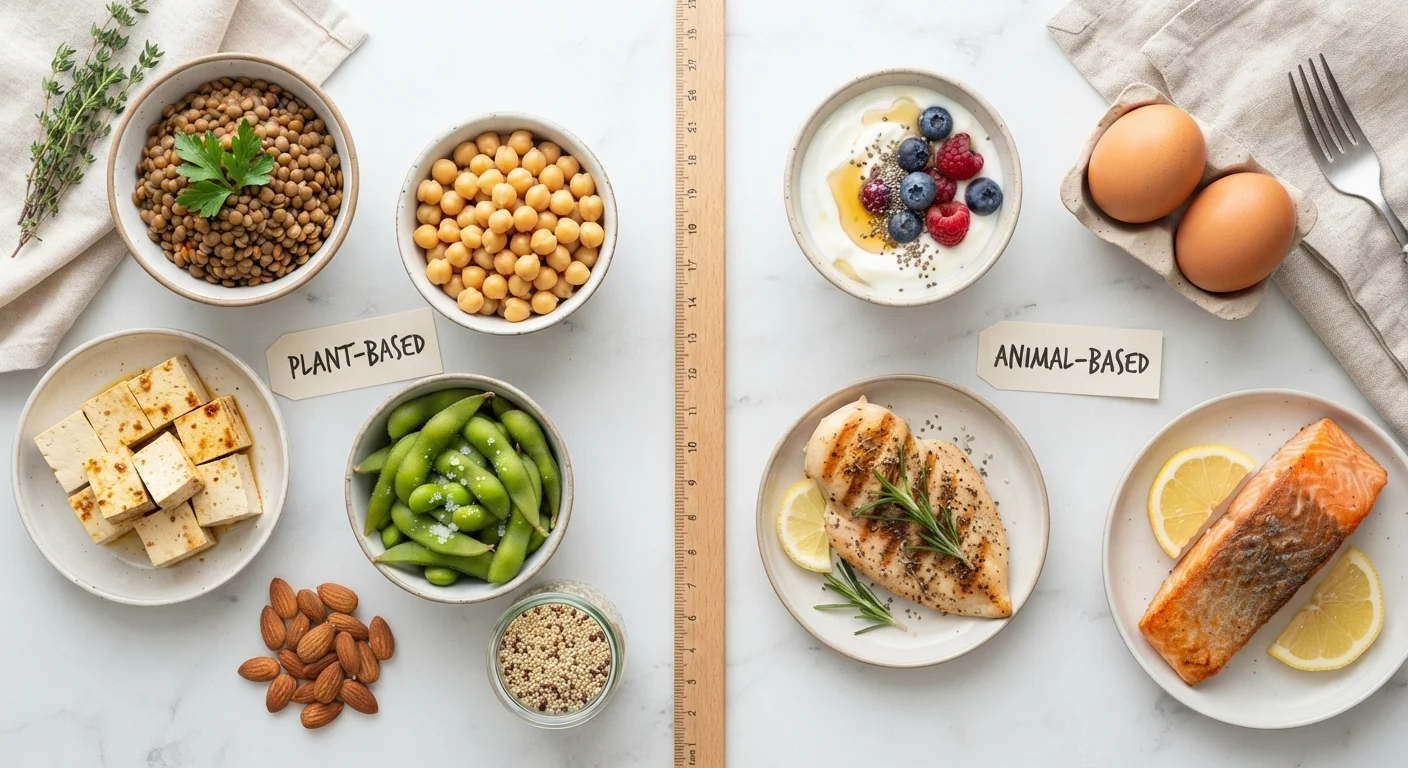
Photo credit: Glowwwatch.com
In this article
Amino acid profiles, bioavailability, and dietary context — an objective look at how plant and animal protein sources stack up.
Key Takeaways
- Animal proteins are generally 'complete,' providing all nine essential amino acids in sufficient quantities.
- Most plant proteins lack one or more essential amino acids, but combining sources across the day resolves this.
- Animal protein tends to have higher bioavailability, meaning the body absorbs and uses a greater proportion.
- Plant protein sources deliver fiber, phytonutrients, and lower saturated fat compared to many animal sources.
- A varied diet — whether omnivore or plant-based — can meet protein needs when planned thoughtfully.
What Makes Protein 'Good'?
Protein is built from amino acids — small compounds the body uses to repair tissue, produce enzymes, and support immune function. Of the 20 amino acids, nine are considered essential, meaning the body cannot make them and must obtain them from food. When evaluating any protein source, two factors matter most: amino acid completeness (does it supply all nine essentials?) and bioavailability (how efficiently does the body actually absorb and use what's there?).
Understanding these two concepts cuts through most of the confusion in the plant-versus-animal protein debate. For a broader look at how food quality factors into everyday eating, see our guide on whole vs. processed foods.
Amino Acid Profiles: Complete vs. Incomplete
Animal proteins — including meat, poultry, fish, eggs, and dairy — are classified as complete proteins because they supply all nine essential amino acids in proportions that closely match human needs. This makes them nutritionally straightforward sources of dietary protein.
Most plant proteins — beans, lentils, nuts, seeds, grains — are considered incomplete because they are low in at least one essential amino acid. Notably, legumes tend to be low in methionine, while grains tend to be low in lysine. However, this does not mean plant-based eaters are at risk of deficiency. Research and dietary guidelines consistently show that eating a variety of plant protein sources across the day — not necessarily at every meal — provides all essential amino acids in adequate amounts. Soy and quinoa are notable exceptions, as they are considered complete plant proteins.
| Plant Protein | Animal Protein | |
|---|---|---|
| Amino acid completeness | Often incomplete (soy and quinoa excepted) | Complete — all 9 essential amino acids |
| Bioavailability (absorption efficiency) | Moderate; varies by source and preparation | Generally high |
| Saturated fat content | Typically low to none | Varies; red/processed meats higher |
| Dietary fiber | Yes — significant amounts | None |
| Vitamin B12 | Absent (supplementation needed) | Naturally present |
| Heme iron availability | Non-heme only (lower absorption) | Heme iron (more readily absorbed) |
| Phytonutrients and antioxidants | Rich sources | Minimal |
Bioavailability: How Much Protein Does Your Body Actually Use?
Even if a food is rich in protein on paper, digestion efficiency matters. Nutritionists use tools like the DIAAS to measure how well the body can digest and absorb protein from a given source. Animal proteins — particularly eggs, dairy, and meat — consistently score high on these measures. Most plant proteins score somewhat lower, partly because of naturally occurring compounds like phytates and fiber that can mildly reduce absorption.
Practical takeaway: plant-based eaters may benefit from eating slightly larger portions or a wider variety of protein sources to meet the same functional protein intake as someone relying heavily on animal sources. Cooking and food preparation (soaking legumes, fermenting soy) can also improve plant protein digestibility.
Simple Ways to Boost Plant Protein Absorption
Soaking dried legumes overnight and rinsing them before cooking can reduce phytate content and improve digestibility. Fermenting soy — as in tempeh or miso — breaks down some absorption-limiting compounds naturally. Pairing plant proteins with vitamin C–rich foods may also enhance non-heme iron uptake, supporting overall nutritional benefit.
Beyond Protein: What Else Comes Along for the Ride?
Protein is never consumed in isolation. Choosing a protein source means choosing everything that comes with it.
- Animal proteins such as red and processed meats can be high in saturated fat and, in the case of processed varieties, sodium. Fatty fish and eggs are exceptions — they contribute beneficial omega-3 fatty acids and micronutrients like vitamin B12 and heme iron.
- Plant proteins come packaged with dietary fiber, antioxidants, and phytonutrients not found in animal foods. Legumes in particular support gut health and have been associated in large population studies with lower rates of cardiovascular disease — though correlation in nutrition research should not be read as direct causation.
For a deeper dive into what the research literature actually shows about these two protein categories, explore the research evidence on plant vs. animal protein.
Putting It Into Practice
Most U.S. adults consume adequate total protein but may benefit from paying attention to source quality and variety rather than quantity alone. A few practical principles:
- Mix plant proteins throughout the day — pair rice with beans, or add nuts to oatmeal — to cover all essential amino acids without overthinking individual meals.
- If you include animal protein, lean sources like poultry, fish, eggs, and low-fat dairy offer high bioavailability with relatively lower saturated fat.
- No single food defines a diet. Overall dietary pattern — the combination of foods eaten consistently over time — matters far more than any single protein source.
As always, individual protein needs vary based on age, activity level, and health status. People with specific medical conditions, older adults, and those who are pregnant should consult a registered dietitian or qualified healthcare provider before making significant dietary changes.
This article is for general informational and educational purposes only and does not constitute medical or nutritional advice. Consult a qualified healthcare professional for guidance specific to your individual health needs.

Author
Health & Wellness Editorial Team
Health & Wellness Editorial Team is the collective byline for our editorial team and contributor network. Articles published under this byline or an editorial pen name are researched, written, and reviewed according to our editorial standards for clarity, consistency, and independence before publication.
View all articles →