
Eight Nutrients Many American Adults Aren't Getting Enough Of
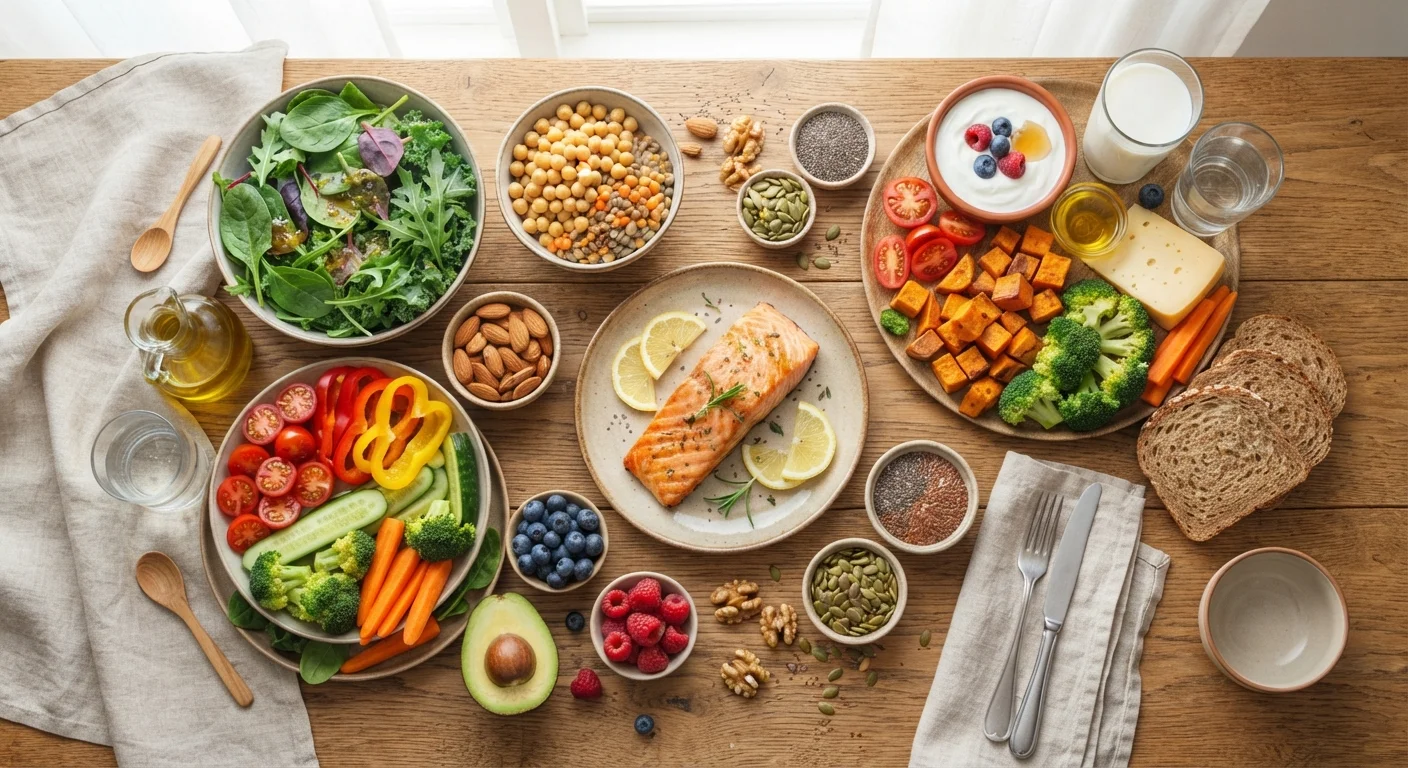
Photo credit: Glowwwatch.com
In this article
Surveys consistently flag certain nutrient shortfalls in US diets. Here's what they are, why they matter, and which foods can help close the gap.
Key Takeaways
- Most American adults fall short on at least one key nutrient, often without realizing it.
- Dietary surveys consistently flag fiber, vitamin D, calcium, potassium, magnesium, iron, vitamin A, and choline as underconsumed.
- Whole foods — not supplements — are generally the most effective and safest way to close nutrient gaps.
- Certain groups, including women, older adults, and people with limited sun exposure, face higher risk for specific shortfalls.
- Consult a healthcare provider before starting any supplement regimen to address suspected deficiencies.
Why Nutrient Gaps Are So Common in the US
Despite living in one of the world's most food-abundant countries, many American adults consistently fall short on key nutrients. National dietary surveys — including data from the National Health and Nutrition Examination Survey (NHANES) — show that the typical US diet, often high in refined grains, added sugars, and processed foods, leaves significant micronutrient gaps. Understanding what micronutrients do in your body is the first step toward recognizing why these shortfalls matter.
The eight nutrients below are flagged repeatedly in population-level research as underconsumed. For each one, we've outlined what it does, who's most at risk, and which everyday foods can help. This is general nutrition education — not a prescription. If you suspect a deficiency, a healthcare provider can order tests and advise you appropriately.
Population Data vs. Individual Needs
Nutrient shortfall data comes from large population surveys and reflects averages across groups — not every individual's intake. Your personal needs depend on age, sex, health status, activity level, and other factors. The information here is educational context, not a diagnosis. A registered dietitian or physician can assess your specific nutritional status.
The Eight Nutrients to Know
Dietary Fiber
Fiber supports digestive health, helps stabilize blood sugar, and contributes to a feeling of fullness after meals. The Dietary Guidelines for Americans recommend around 25–38 grams per day for adults, yet average intake is closer to 15 grams. The shortfall is largely because processed and refined foods dominate many American diets.
Foods to focus on: beans, lentils, oats, whole-wheat bread, barley, pears, broccoli, and chia seeds.
Americans average only about half the fiber intake that dietary guidelines recommend.
Vitamin D
Vitamin D is essential for calcium absorption, bone health, immune function, and muscle performance. Unlike most nutrients, the body can synthesize it through sun exposure — but limited outdoor time, sunscreen use, darker skin tones, and northern latitudes all reduce production. It's found in relatively few foods naturally, making shortfalls common across all demographics.
Foods to focus on: fatty fish (salmon, tuna, mackerel), egg yolks, fortified milk, and fortified plant-based milks and cereals.
Vitamin D is one of the most widely deficient nutrients in the US adult population.
Calcium
Calcium is the primary mineral in bones and teeth and also plays roles in muscle contraction and nerve signaling. Intake tends to decline when people reduce or eliminate dairy without replacing it with other calcium-rich sources. Women over 50 and older men are at particular risk for low intake and its long-term effect on bone density.
Foods to focus on: dairy products, fortified plant milks, canned sardines and salmon with bones, tofu made with calcium sulfate, kale, and bok choy.
Dropping dairy without adding calcium-rich alternatives is a fast route to a significant shortfall.
Potassium
Potassium helps regulate blood pressure, fluid balance, and muscle contractions. It also counters some of the blood-pressure-raising effects of sodium — relevant given that US sodium intakes are generally high. Potassium is classified as a nutrient of public health concern by the Dietary Guidelines because inadequate intake is linked to cardiovascular risk at a population level.
Foods to focus on: bananas, sweet potatoes, white potatoes, white beans, spinach, avocado, and low-fat dairy.
Potassium's blood-pressure benefits make it especially important given how much sodium most Americans consume.
Magnesium
Magnesium is involved in over 300 enzymatic reactions in the body, including energy production, protein synthesis, blood glucose control, and blood pressure regulation. It's abundant in whole plant foods but largely stripped from refined grains. Many Americans get less than the recommended 310–420 mg per day.
Foods to focus on: pumpkin seeds, almonds, dark chocolate (70%+ cacao), black beans, edamame, whole-wheat bread, and brown rice.
Magnesium participates in hundreds of bodily processes, yet intake frequently falls below recommended levels.
Iron
Iron is critical for producing hemoglobin, the protein in red blood cells that carries oxygen. Women of reproductive age have higher needs due to menstrual blood loss and are among the most at-risk groups. Plant-based eaters should know that non-heme iron (from plant sources) is absorbed less efficiently than heme iron (from animal products), though pairing plant iron sources with vitamin C-rich foods improves absorption.
Foods to focus on: lean red meat, poultry, oysters, beans, lentils, tofu, fortified cereals, and spinach.
Pairing plant-based iron sources with a vitamin C-rich food meaningfully improves absorption.
Vitamin A
Vitamin A supports vision (particularly in low-light conditions), immune defense, skin integrity, and cellular growth. It comes in two forms: preformed vitamin A (retinol) found in animal foods, and provitamin A carotenoids (like beta-carotene) found in colorful plant foods. The body converts carotenoids to vitamin A as needed. Dietary surveys suggest a meaningful portion of adults fall short, particularly those eating few colorful vegetables and limited animal products.
Foods to focus on: liver, dairy products, eggs, sweet potatoes, carrots, butternut squash, spinach, and red bell peppers.
Colorful orange and dark green vegetables are among the most reliable plant sources of vitamin A precursors.
Choline
Choline is an essential nutrient that most people haven't heard of. It supports liver function, brain development, metabolism, and the production of the neurotransmitter acetylcholine. Eggs are the single richest common dietary source, and intake often drops when egg consumption is reduced. Pregnant individuals have especially elevated needs, as choline plays a role in fetal brain development. For a deeper dive into the full landscape of micronutrients, the micronutrients at a glance guide covers the essentials in plain language.
Foods to focus on: eggs, beef liver, chicken breast, salmon, shiitake mushrooms, soybeans, and kidney beans.
Choline is essential yet largely overlooked — eggs are its most concentrated and accessible dietary source.
Prioritize Variety Over Perfection
You don't need to eat every nutrient-dense food every day. Rotating a wide range of vegetables, proteins, and whole grains across the week is a practical and sustainable strategy. Small, consistent shifts — like adding beans to a salad or swapping refined bread for whole grain — compound into meaningful nutritional improvements over time.
Closing the Gap Through Food First
For most people, a varied diet rich in vegetables, fruits, legumes, whole grains, lean proteins, and dairy or fortified alternatives goes a long way toward covering these bases. No single food supplies everything — variety is the practical strategy. Our quick-reference guide to vitamins and minerals can help you match specific nutrients to the foods that carry them.
Supplements can fill genuine gaps, but they are not a substitute for dietary quality and can interact with medications or cause harm in excessive doses. Before adding any supplement, speak with a qualified healthcare professional. For a broader look at what standard nutrition labels don't show you about food quality, see where nutrition labels fall short.
This article is for general informational and educational purposes only and is not a substitute for professional medical or nutritional advice. Consult a qualified healthcare provider for guidance specific to your health needs.

Author
Food & Drinks Editorial Team
Food & Drinks Editorial Team is the collective byline for our editorial team and contributor network. Articles published under this byline or an editorial pen name are researched, written, and reviewed according to our editorial standards for clarity, consistency, and independence before publication.
View all articles →