
Salt at Every Stage: What It Actually Does to Food
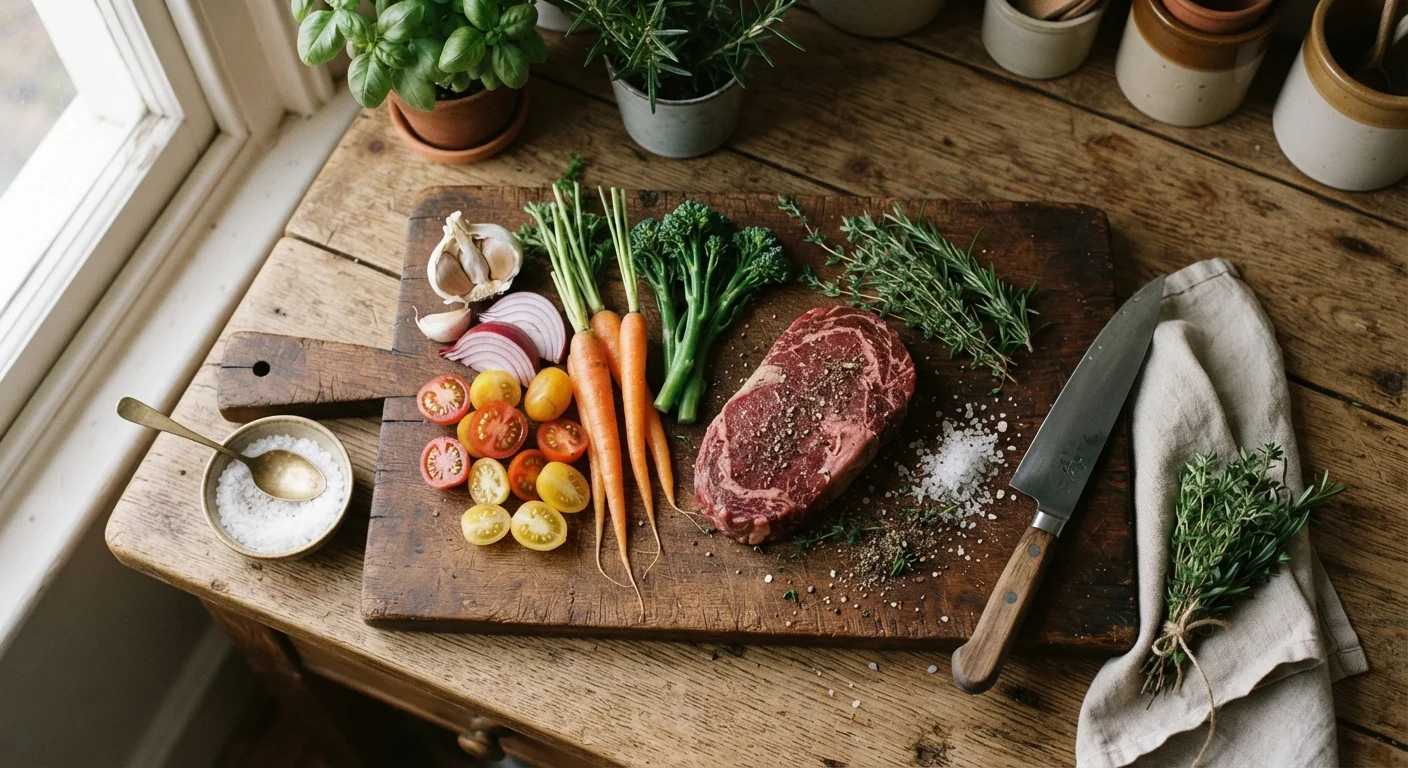
Photo credit: Glowwwatch.com
In this article
Salting isn't just about flavor — it changes texture, draws out moisture, and affects how ingredients cook. Here's the science in plain terms.
Key Takeaways
- Salt added early gives it time to penetrate ingredients and season them from within.
- Salting draws moisture out of vegetables and meat through osmosis, which can be used intentionally.
- Adding salt to pasta water seasons the pasta itself, not just the surface.
- Salt suppresses bitterness and heightens other flavors even in sweet recipes.
- Finishing salt applied after cooking adds texture and a burst of immediate flavor.
- Timing and quantity both matter — there is no single universal rule for when to salt.
Salt Is a Tool, Not Just a Seasoning
Most home cooks treat salt as a finishing touch — something sprinkled on food just before eating. But in practice, salt behaves more like a technique than a condiment. Applied at different stages of cooking, it does fundamentally different things to the same ingredient.
Understanding this transforms salting from guesswork into a deliberate choice. Whether you're cooking vegetables, meat, pasta, or even a cake, the when and how of salting shapes the final result as much as any other step. This article breaks down what's actually happening at each stage, in plain language.
If you're also trying to build flavorful dishes without relying on a recipe, understanding salt mechanics is one of the most valuable foundations you can have.
What Salt Does Physically to Ingredients
Salt interacts with food at a cellular level. When salt contacts the surface of a vegetable or raw meat, it pulls moisture toward the surface through a process called osmosis — water moves from inside the cells toward the saltier environment outside. This is visible when you salt sliced cucumber and see droplets form on the surface within minutes.
For vegetables, this moisture loss can be useful: removing excess water from zucchini before sautéing prevents it from steaming in its own liquid, allowing it to brown properly. For raw meat, the same moisture is initially drawn out — but if you wait long enough, it's reabsorbed into the tissue along with the dissolved salt, seasoning the meat from the inside out.
Salt also disrupts protein structures. In ground meat and fish, this changes texture — salt helps bind proteins together, which is why seasoned burger patties hold together better than unseasoned ones. In bread dough, salt strengthens gluten networks, giving the bread its chew and structure.
45+ min
Minimum salting time for meat to reabsorb moisture
Food science sources including Serious Eats and culinary texts note that meat salted for under 45 minutes may be drier than unsalted meat due to unabsorbed surface moisture.
~1 Tbsp
Salt per gallon typically recommended for pasta water
Many cooking educators and culinary schools suggest pasta water be seasoned assertively — roughly 1 tablespoon of kosher salt per gallon — to properly season pasta as it cooks.
5 tastes
Basic tastes salt interacts with
Research in taste science shows salt suppresses bitterness and enhances sweetness and umami, influencing all five recognized basic tastes: salty, sweet, bitter, sour, and umami.
Salting at Different Stages: What Changes
Before cooking (early salting): Giving salt time to penetrate means flavor reaches the interior of the ingredient. A steak salted an hour before cooking tastes seasoned throughout, not just on the crust. Vegetables salted before roasting lose moisture, concentrate their flavor, and brown more effectively.
During cooking: Adding salt to boiling water for pasta, blanching vegetables, or cooking grains is the only opportunity to season those ingredients internally. Surface seasoning added after cooking can't replicate this. Salt in simmering sauces and soups has time to meld with other flavors, creating a more cohesive taste than salt stirred in at the end.
After cooking (finishing): A pinch of flaky salt applied after plating delivers immediate flavor and a distinct texture that dissolves on the tongue. This works well on roasted vegetables, eggs, avocado, and even chocolate-based desserts.
The habit of tasting as you cook is what ties all of this together — it's how you know whether early seasoning was sufficient or whether a finishing pinch is needed.
Start Seasoning Earlier Than You Think
Most beginner cooks undersalt at the start and oversalt at the end. Try salting ingredients a stage earlier than you normally would — meat before it hits the pan, vegetables before they go in the oven, grains before the water boils. Taste at each stage and you'll naturally calibrate over time.
Salt's Role in Flavor Beyond 'Saltiness'
Salt doesn't just add its own flavor — it modulates other flavors. It suppresses bitterness, which is why a small amount is added to coffee grounds or dark chocolate recipes. It also heightens sweetness and amplifies aromatic compounds, making food taste more vividly of itself.
This is why undersalted food often tastes flat, even when every other ingredient is correct. The issue isn't that the dish needs to taste salty — it's that without enough salt, the other flavors don't fully register.
Understanding salt's role in flavor balance pairs naturally with controlling heat properly — together, these two variables account for a large share of what separates satisfying food from disappointing food.
This article is for general informational and educational purposes only. For guidance on dietary sodium intake specific to your health needs, consult a qualified healthcare professional.
Frequently Asked Questions

Author
Food & Drinks Editorial Team
Food & Drinks Editorial Team is the collective byline for our editorial team and contributor network. Articles published under this byline or an editorial pen name are researched, written, and reviewed according to our editorial standards for clarity, consistency, and independence before publication.
View all articles →