
Vehicle Registration Explained: Titles, Plates, and Renewal Deadlines
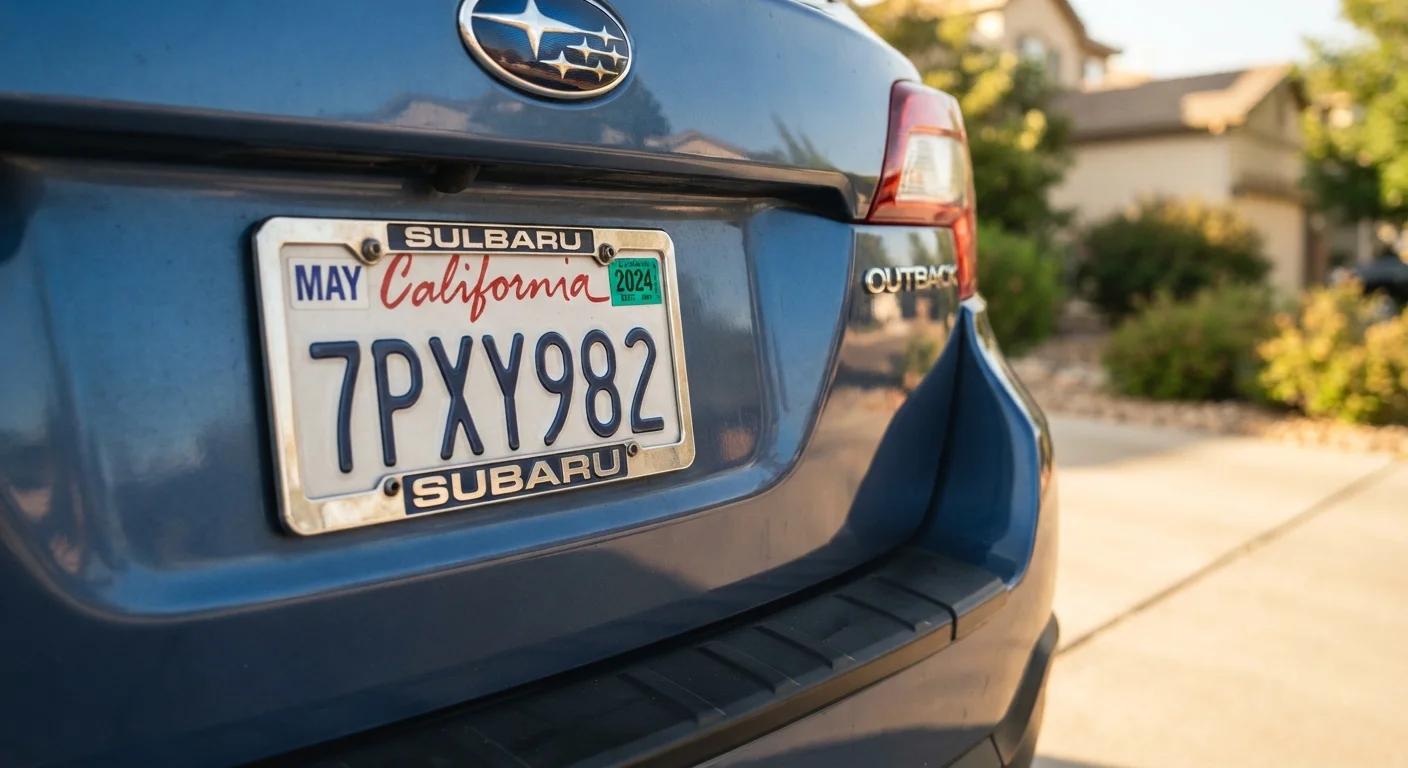
Photo credit: Glowwwatch.com
In this article
Understand what a vehicle title is, how license plates work, and what happens if you miss your registration renewal deadline.
Key Takeaways
- A vehicle title proves ownership; registration proves the car is approved to drive on public roads.
- License plates are issued by the state and must stay current — expired plates can result in fines.
- Registration renewal deadlines vary by state; many states tie them to your birthday or purchase date.
- Missing a renewal deadline typically results in late fees and may lead to a traffic citation.
- Lienholders — such as lenders — are usually listed on the title until a loan is fully paid off.
- Keep your registration certificate in the vehicle at all times alongside your proof of insurance.
Title vs. Registration: Two Different Things
A lot of drivers use these terms interchangeably, but they mean very different things. Your vehicle title is a legal document that names the owner of the car — think of it like a deed for a house. If you financed your vehicle, the lender is usually listed on the title as a lienholder until the loan is paid off. Once you pay in full, you receive a clean title in your name alone.
Your vehicle registration, on the other hand, is the government's permission for that car to operate on public roads. It doesn't establish ownership — it establishes roadworthiness and accountability. When you register a vehicle, you pay fees to the state, and in return you receive a registration certificate and license plates or a renewal sticker.
Both documents matter. Keep the title somewhere safe at home (not in the car), and keep your registration certificate in the glove box. See our guide on which documents belong in your glove box for a full rundown of what every driver should carry.
How License Plates Work
When you register a vehicle for the first time in a state, the DMV issues you a license plate — the metal or composite tag displayed on the front and/or rear of your car. Plates contain a unique alphanumeric code that links back to your registration record.
Every year (or every two years, depending on the state), you renew your registration and receive a small renewal sticker to apply to your plate. That sticker tells law enforcement and parking enforcement officers that your registration is current. Driving with an expired sticker is one of the most common — and easily avoidable — traffic stops drivers face.
Plates Usually Follow the Owner, Not the Car
In most U.S. states, license plates belong to the registered owner — not the vehicle itself. When you sell a car, you're generally expected to remove the plates before handing over the keys. Some states are exceptions to this rule, so confirm the policy with your state's DMV before any vehicle sale or transfer.
In most states, plates belong to the owner, not the car. When you sell a vehicle, you typically remove the plates and either transfer them to your next car or return them to the DMV. Leaving your plates on a sold car can expose you to liability if the new owner gets ticketed or is involved in an incident before re-registering.
Renewal Deadlines: What You Need to Know
Registration renewal deadlines are set by each state individually. Some states tie your renewal date to your birthday. Others use the month you first registered the vehicle, or a fixed annual date. Your renewal notice — mailed or emailed by the DMV — will spell out your specific deadline.
What happens if you miss it? Almost every state charges late fees, and they tend to grow the longer you delay. You can also be pulled over and cited just for having an expired registration sticker. In some jurisdictions, a vehicle with long-expired registration can be towed.
Don't Wait for Your Renewal Notice to Arrive
If you've moved recently or changed your email address, your renewal notice may not reach you — and the state won't waive late fees just because you didn't get the reminder. Set a calendar alert for your renewal month so you're never caught off guard. Most state DMV websites let you look up your renewal date using your license plate number.
Some states require your car to pass an emissions inspection or a safety inspection before they'll process your renewal. These inspections are handled separately — often at licensed repair shops or state-run testing centers — so build in extra time if your state has this requirement.
For a broader picture of what owning a car actually involves from day one, see our first-time owner's guide.
Special Situations: Leases, Loans, and Moving States
If you lease a vehicle, the leasing company is usually the registered owner and holds the title. You're responsible for keeping registration current, but the paperwork looks a little different. Check your lease agreement or ask your leasing company what they require from you at renewal time. For more on how leasing differs from financing, see our explanation of leasing vs. financing.
If you move to a new state, you'll generally need to re-register your vehicle in the new state within a set window — commonly 30 to 90 days of establishing residency. That usually means surrendering your old plates, getting a new title issued, and meeting any inspection requirements in the new state.
If you buy a used car from a private seller, make sure the title is properly signed over to you before you leave. Driving a car without a proper title transfer creates headaches down the road — including difficulty registering the vehicle in your name.
Keeping your registration current is just one piece of responsible car ownership. Staying on top of routine maintenance is another. Our maintenance schedule explainer can help you understand what your car needs and when.
Frequently Asked Questions

Author
Autos Editorial Team
Autos Editorial Team is the collective byline for our editorial team and contributor network. Articles published under this byline or an editorial pen name are researched, written, and reviewed according to our editorial standards for clarity, consistency, and independence before publication.
View all articles →