
Getting the Most Life Out of Your Tires
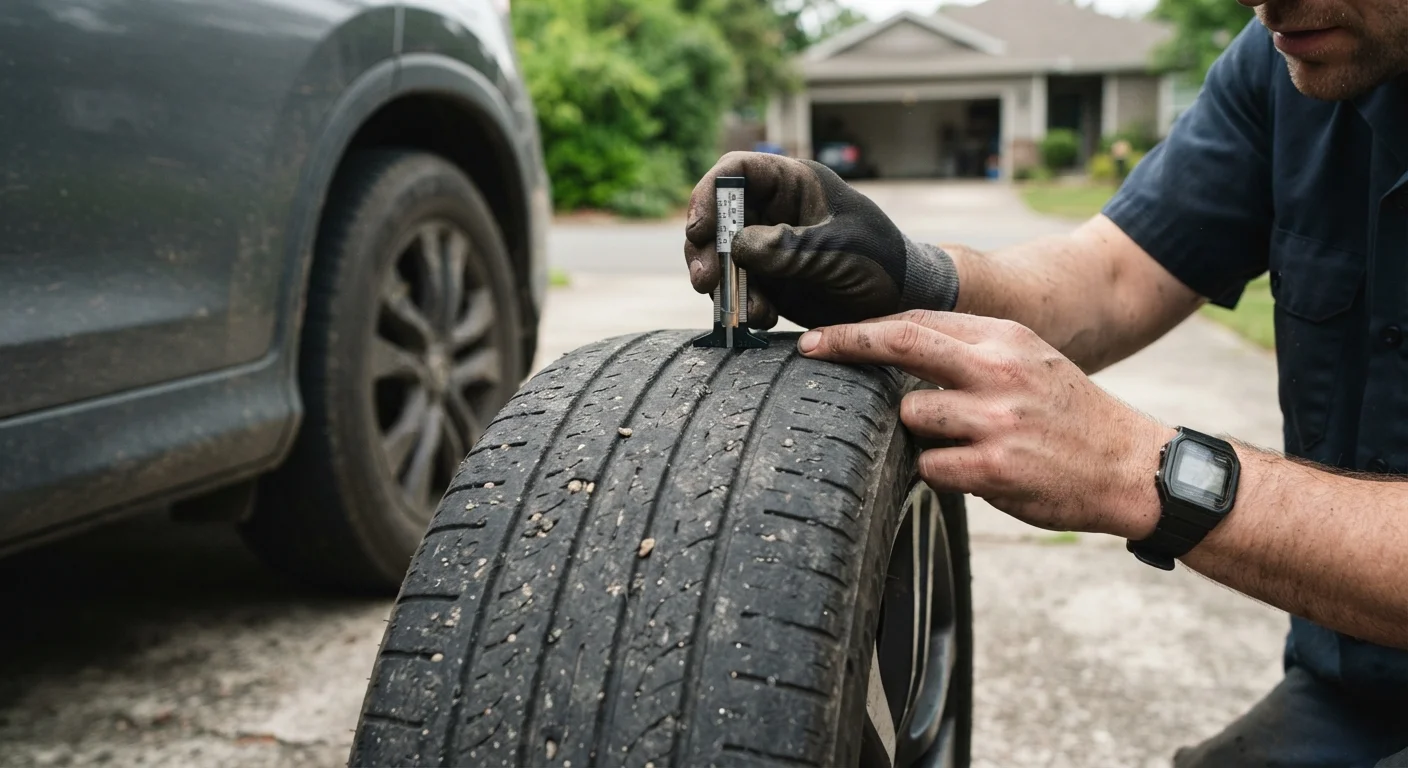
Photo credit: Glowwwatch.com
In this article
Rotation, alignment, and inflation habits all affect how long tires last. Here are the practices that make a measurable difference.
Key Takeaways
- Keeping tires properly inflated is the single easiest way to extend their life.
- Rotating tires every 5,000–7,500 miles helps them wear evenly across all four positions.
- Wheel alignment problems cause rapid, uneven wear that shortens tire life significantly.
- Smooth driving habits — less hard braking and sharp cornering — reduce tire stress daily.
- Tires with worn tread are a safety risk, regardless of their age in years.
Why Tire Care Pays Off
A set of tires is one of the larger ongoing expenses of car ownership. Done right, tire maintenance can push a set well past 50,000 miles. Done poorly, you might replace them at 25,000. The good news: most of what determines tire life is within your control, and none of it requires special tools or mechanical skill.
For a broader look at how tires fit into your vehicle's overall upkeep, see our complete car maintenance guide covering every major system and schedule.
Check tire pressure at least once a month and before any long trip.
Tires lose air naturally — roughly 1 PSI per month under normal conditions, and more when temperatures drop. Running even a few PSI low accelerates wear and reduces fuel efficiency. Correct pressure is listed on the sticker inside your driver's door jamb, not on the tire sidewall.
Rotate your tires every 5,000 to 7,500 miles.
Front tires carry the engine's weight and handle steering, so they wear faster — especially on front-wheel-drive vehicles. Regular rotation moves each tire through different positions, spreading wear more evenly across all four and extending the life of the full set.
Have your wheel alignment checked annually or after any significant impact.
Hitting a deep pothole or curb can knock wheels out of alignment by amounts too small to feel but large enough to cause rapid uneven wear. Annual alignment checks catch this before it becomes visible tire damage.
Drive smoothly — brake gradually and corner at reasonable speeds.
Hard braking and sharp cornering create intense, localized friction that generates heat and shaves rubber. Smoother inputs spread load more evenly across the tire contact patch, which is gentler on tread.
Inspect tread depth and sidewalls every time you check pressure.
Tread below 2/32 of an inch no longer channels water effectively, sharply increasing wet-road stopping distances. Sidewall cracks or bulges signal structural damage that can lead to a blowout. Catching these early gives you time to plan a replacement safely.
Quick Actions You Can Take Today
You don't need to wait for a shop appointment to start protecting your tires. Several high-impact habits take just a few minutes and cost nothing.
What Wears Tires Down Fastest
Understanding what damages tires helps you avoid the common traps. Underinflation is the leading culprit — a tire running low on air flexes more with every rotation, generating heat that breaks down rubber from the inside out. Overinflation isn't much better; it concentrates wear on the center of the tread and reduces the tire's ability to grip the road.
Misaligned wheels pull the tire at a slight angle against the road surface, scrubbing away tread in a telltale diagonal or feathered pattern. Hard braking and aggressive cornering create friction spikes that wear hot spots into the tread. Even where you park matters — prolonged exposure to direct sunlight degrades the rubber compounds over time.
For a closer look at what happens when small issues like a slow leak go unaddressed, our article on why skipping small repairs leads to bigger problems is worth reading. You can also find step-by-step guidance in our tire pressure check walkthrough.
Making These Habits Stick
The most effective tire habits are the ones that become automatic. Tie inflation checks to something you already do — fill up your gas tank, for instance — and you'll rarely let it slip. Ask your shop to log the rotation date and mileage on your service records, so there's no guesswork about when the next one is due.
If you notice uneven wear between your last two rotations, that's a signal to get the alignment checked rather than simply rotating again. Tires tell a story through their wear patterns; a few minutes examining them can head off a much more expensive problem.
For more habits that keep a vehicle running well over the long haul, see our guide on keeping a car in good shape over time, which covers everything from fluid checks to long-term storage tips.

Author
Autos Editorial Team
Autos Editorial Team is the collective byline for our editorial team and contributor network. Articles published under this byline or an editorial pen name are researched, written, and reviewed according to our editorial standards for clarity, consistency, and independence before publication.
View all articles →