
Warning Signs in a Home Inspection Report That Deserve Serious Attention
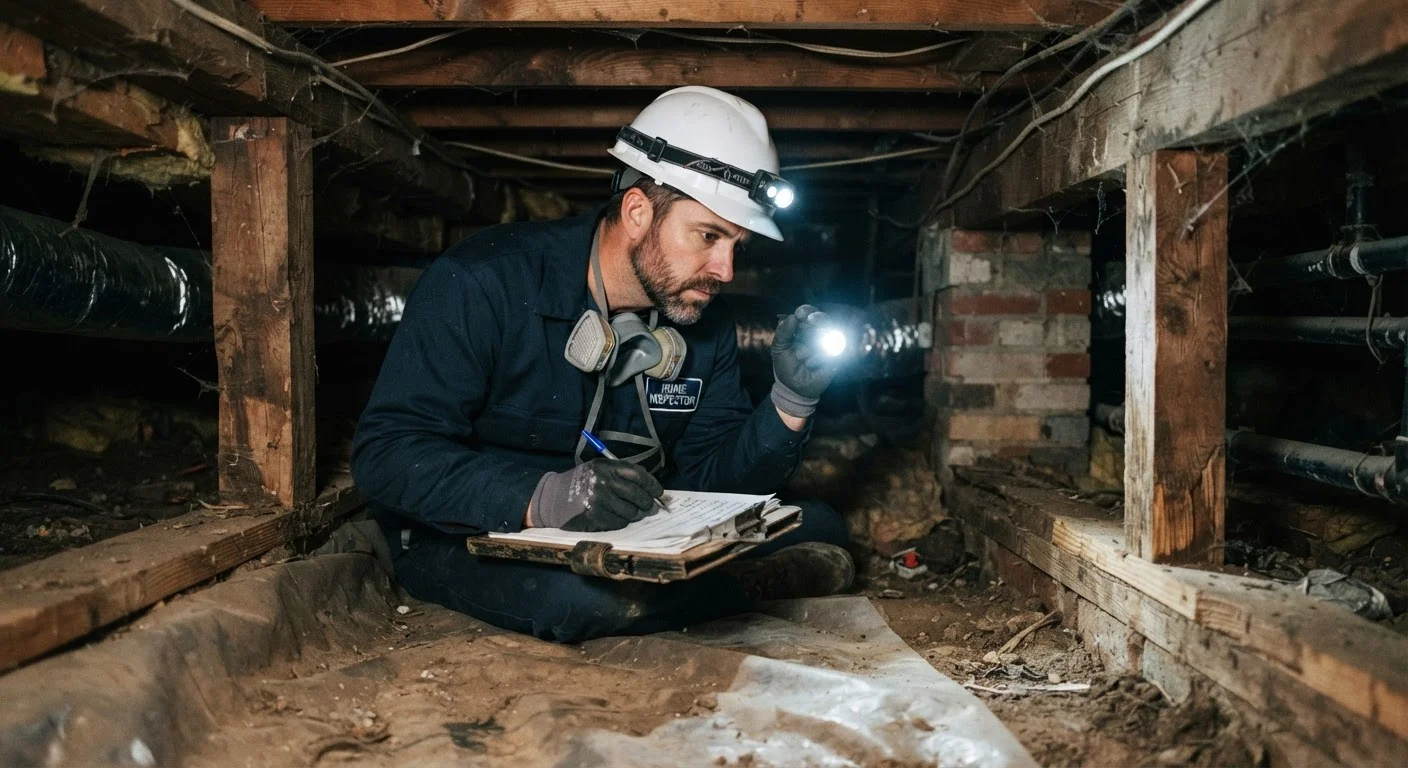
Photo credit: Glowwwatch.com
In this article
Not every flagged item is a crisis, but some findings signal costly or dangerous problems. Learn which categories of issues warrant the closest scrutiny.
Key Takeaways
- Not all flagged items in an inspection report carry equal weight — some signal genuinely serious risk.
- Structural, electrical, plumbing, and moisture issues typically demand immediate professional evaluation.
- Understanding which findings are negotiating leverage versus deal-breakers can protect your investment.
- Some defects are legally required to be disclosed; gaps in disclosure may warrant further investigation.
- Always consult licensed specialists for any issue flagged as beyond the scope of a general inspector.
Why Some Inspection Findings Demand Closer Attention
A home inspection report can run twenty, thirty, even fifty pages. It will flag worn caulk around a bathtub in the same document that flags a cracked foundation wall. That proximity can make everything feel equally urgent — or equally dismissible. It isn't.
Inspectors are generalists. They identify visible conditions and flag items for further evaluation by specialists. Their job is observation and documentation, not diagnosis or repair cost estimation. That means the real interpretive work falls to you and your real estate agent. Learning how to read an inspection report without panicking is a skill worth building before you sit down with those pages.
The categories below represent the findings that most commonly signal costly, hazardous, or legally complicated problems. They deserve more than a quick skim — and in most cases, they warrant a follow-up call to a licensed specialist before you proceed.
Bring Your Inspector's Report to Specialists
When a general inspector recommends further evaluation, bring a copy of the relevant report pages to the specialist you hire. This gives them context, saves time, and helps ensure they address the specific concern flagged — not just a general assessment of the system.
Inspection Findings That Warrant Serious Scrutiny
Foundation and Structural Defects
Cracks in a foundation wall are not all equal. Hairline vertical cracks from normal settling are common. Horizontal cracks, stair-step cracks in block foundations, or bowing walls are different categories entirely — they can signal active soil pressure, water infiltration, or structural failure in progress.
An inspector who flags foundation concerns will almost always recommend a structural engineer's evaluation. That step is worth taking. Structural repairs are among the most expensive in residential real estate, and some lenders will not close on a home with unresolved structural deficiencies. Do not attempt to estimate severity from photos alone.
Horizontal or bowing foundation cracks can signal active structural failure — not routine settling.
Electrical System Hazards
Outdated or improperly installed electrical systems are a leading cause of residential fires. Inspection reports that flag Federal Pacific or Zinsco panels, aluminum wiring in branch circuits, double-tapped breakers, missing ground fault circuit interrupter (GFCI) protection near water sources, or DIY wiring without permits deserve immediate attention.
These are not cosmetic issues. A licensed electrician should evaluate the full scope before you negotiate, because remediation costs can range from a few hundred dollars to a full rewire that runs into the tens of thousands. Permits and code compliance matter here — unpermitted electrical work can affect insurability and resale.
Unpermitted or outdated electrical work can affect a home's insurability and future resale value.
Roof Condition and Age
An inspector will note the approximate age of a roof, the material type, and any visible deficiencies — missing shingles, damaged flashing, sagging decking, signs of prior leaks. What an inspector often cannot fully assess from ground level or a quick walk is the condition of underlayment, decking integrity, or remaining serviceable life.
If a report flags significant wear, active damage, or an age approaching or past the material's expected lifespan, a roofing specialist's evaluation is warranted. Roof replacement is a major expense, and water intrusion from a failing roof can cascade into mold, insulation damage, and structural rot over time.
A failing roof doesn't just cost for itself — water intrusion can trigger a cascade of secondary damage.
Evidence of Water Intrusion and Moisture Damage
Water is among the most destructive forces in a home over time. Inspectors look for staining on ceilings and walls, efflorescence (white mineral deposits) on basement walls, soft or buckled flooring, musty odors, and elevated moisture readings. Any of these can indicate past or active moisture problems.
The critical question is always: is this a past issue that was properly remediated, or an ongoing problem? Sellers are generally required to disclose known water intrusion, but disclosure requirements vary by state. Asking the right questions during a showing can surface history that documents don't fully capture. Persistent moisture can also feed mold growth, which introduces health and remediation costs on top of the underlying cause.
Active moisture intrusion is never a cosmetic problem — it signals an unresolved source that will worsen.
HVAC System Age and Condition
Heating and cooling systems have finite lifespans. A furnace beyond 20 years or a central air conditioning unit beyond 15 years that is showing functional issues is a significant near-term expense, not a minor maintenance note. Inspectors will check basic operation but typically cannot fully assess heat exchanger integrity — a cracked heat exchanger in a gas furnace is a carbon monoxide risk that requires specialist evaluation.
Also note the ductwork condition, filter maintenance, and whether the system has been serviced regularly. A well-maintained older system may have usable life remaining; a neglected one of the same age may not. Factor replacement timelines and costs into your overall picture of the property.
A cracked heat exchanger in a gas furnace is a carbon monoxide hazard requiring immediate specialist review.
Plumbing Deficiencies and Sewer Line Condition
Inspectors check visible plumbing — supply lines, drain function, water heater age and condition, signs of leaks. What a standard inspection generally does not include is a sewer scope — a camera inspection of the main sewer line from the house to the municipal connection or septic system.
Sewer line problems are invisible during a standard inspection and can be expensive to repair, particularly if roots have infiltrated older clay or cast-iron pipes. In many markets, buyers routinely request a sewer scope as an add-on to the inspection. If the report flags polybutylene piping (a material prone to failure), galvanized steel pipes with corrosion, or slow drains throughout the home, treat these as prompts for specialist review, not deferred maintenance.
Sewer line failures are invisible to a standard inspection — a camera scope is often worth the added cost.
Inspection Scope Has Limits
A standard home inspection covers visible and accessible conditions at the time of the visit. Inspectors do not move furniture, cut into walls, or test systems beyond normal operation. Issues hidden behind finished surfaces, underground, or in inaccessible spaces may not appear in the report at all. This is why specialist follow-ups — structural engineers, electricians, plumbers, roofers — matter when a flag appears in a high-stakes category.
What to Do After You've Identified Serious Findings
Identifying a serious finding doesn't automatically mean walking away from a purchase. It means pausing to understand scope and cost. Request specialist evaluations — a structural engineer for foundation concerns, a licensed electrician for panel issues, a plumber for sewer line problems — before negotiating repairs or credits.
Keep in mind that seller disclosures vary by state and can omit significant detail. An independent inspection is your primary line of defense. If repairs are agreed upon, verify the work is completed by a licensed contractor and documented before closing. Knowing the right questions to ask a general contractor before work begins can save significant headaches later.
This article is for general informational purposes only and does not constitute legal, financial, or professional inspection advice. Always consult qualified, licensed professionals — including structural engineers, electricians, plumbers, and real estate attorneys — when evaluating specific property conditions or making purchase decisions.

Author
Real Estate Editorial Team
Real Estate Editorial Team is the collective byline for our editorial team and contributor network. Articles published under this byline or an editorial pen name are researched, written, and reviewed according to our editorial standards for clarity, consistency, and independence before publication.
View all articles →