
Hiring a General Contractor: Questions to Ask and Red Flags to Recognize
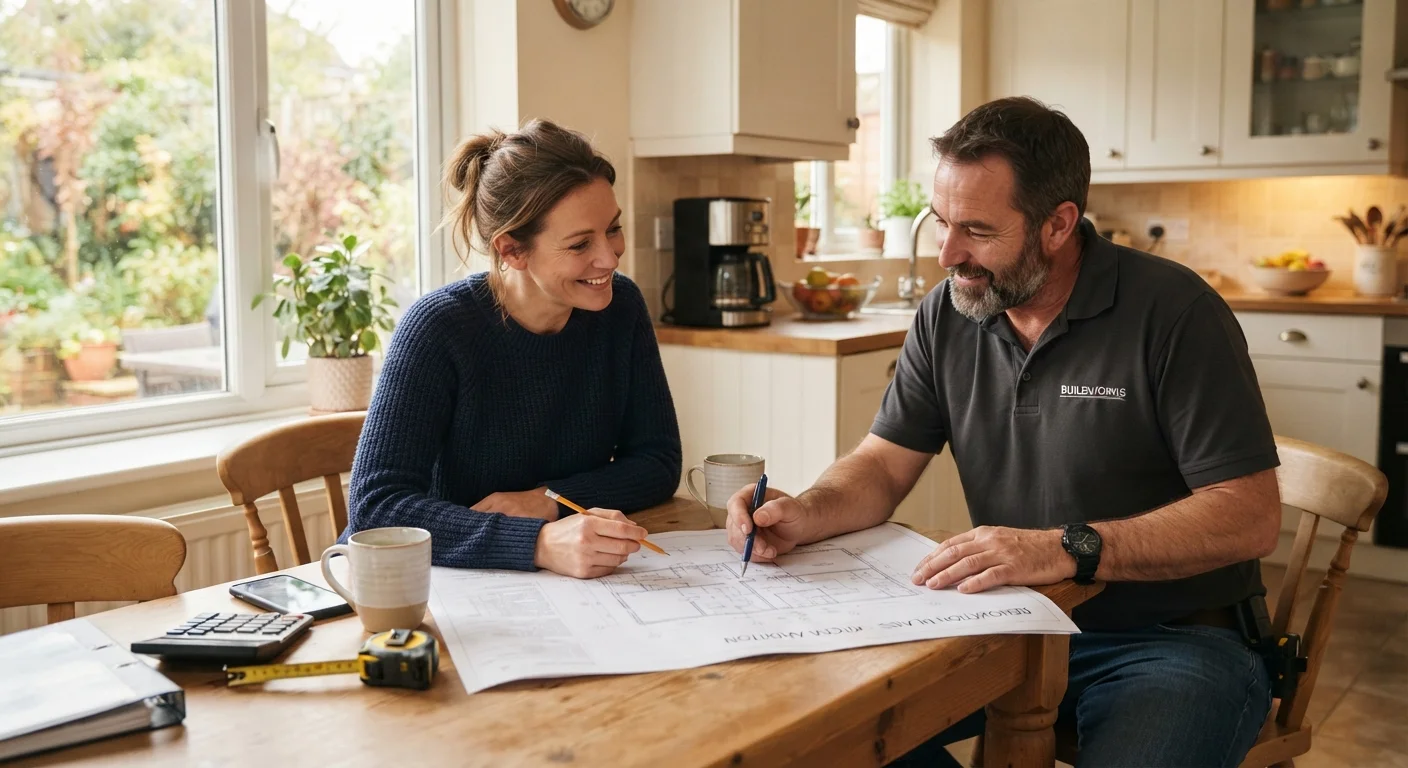
Photo credit: Glowwwatch.com
In this article
Learn what to look for in a contractor, which questions reveal how they work, and which warning signs suggest you should keep looking.
Key Takeaways
- Always verify a contractor's license and insurance before agreeing to any work.
- A detailed written contract protects both parties and prevents costly misunderstandings later.
- Unusually low bids, vague timelines, and requests for large upfront cash payments are serious red flags.
- Checking references and reviewing past work is as important as comparing price estimates.
- Permits and inspections are your responsibility to confirm — a trustworthy contractor will support this process.
Why Vetting Your Contractor Matters More Than You Think
Hiring a general contractor is one of the most consequential decisions a homeowner can make. A skilled, honest contractor keeps your project on schedule, within budget, and up to local building codes. The wrong one can leave you with incomplete work, hidden structural problems, or expensive legal disputes. Before you compare bids, it pays to understand how to evaluate the people behind the numbers.
If you're still weighing whether to hire out or tackle a project yourself, our guide on when to hire a licensed contractor versus doing it yourself can help you decide before you start reaching out to pros.
Questions That Reveal How a Contractor Really Works
Good contractors welcome informed clients. The questions below are designed to surface how a contractor operates day-to-day — not just what they say in a sales pitch.
- Are you licensed and insured in this state? Ask for the license number and certificate of insurance, then verify both independently through your state contractor licensing board and the insurance carrier directly.
- Who will actually be on my jobsite? Many GCs subcontract significant portions of work. Know who is doing what, and ask whether subcontractors are also licensed and insured.
- Can you provide three references from similar projects completed in the past year? Recency matters. A bathroom remodel reference from five years ago tells you less than a comparable project completed recently.
- What does your payment schedule look like? Standard practice is a modest deposit, progress payments tied to milestones, and a final payment upon satisfactory completion — not 50% or more upfront.
- How do you handle changes to the original scope? Every project encounters surprises. A reputable contractor will describe a clear change-order process rather than handling adjustments informally.
- Who pulls the permits? Permits protect you, not just the contractor. If a contractor suggests skipping permits to save time or money, that is a significant red flag.
Before work begins, use our homeowner's pre-project checklist to make sure permits, budget, and contractor vetting are all addressed in the right order.
Red Flags That Suggest You Should Keep Looking
Most contractor problems are predictable — they follow patterns that show up early if you know what to look for. Treat any of the following as a reason to slow down and ask more questions before signing anything.
- No verifiable license or insurance. This is non-negotiable. Unlicensed work may be unenforceable, void your homeowner's insurance, and expose you to liability if a worker is injured on your property.
- A bid that is dramatically lower than all others. Unusually low estimates often mean cut-rate materials, underpaid subcontractors, or an intention to add costs through change orders once the contract is signed.
- Pressure to decide immediately. Legitimate contractors have full schedules, not manufactured urgency. High-pressure tactics are a manipulation strategy, not a sign of a good business.
- Vague or verbal-only contracts. Any reputable contractor will provide a detailed written contract covering scope, materials, timeline, payment schedule, and warranty terms. Verbal agreements are very difficult to enforce.
- Large cash-only upfront payments. Requiring cash and a large deposit before work starts is a common pattern in contractor fraud. Standard deposits are typically 10–15% of the total project cost, though this can vary.
- No physical business address or traceable history. A contractor who operates only from a cell phone and a truck with magnetic signage may disappear if problems arise. Search for the business name, check online reviews across multiple platforms, and verify the address.
The same instincts that help you spot a problematic rental or real estate listing apply here. If something feels off, trust that feeling and investigate further.
Getting the Contract Right Before Work Starts
A signed contract is your primary protection if the project goes sideways. Before any work begins, your written agreement should clearly state: the full scope of work with materials specified, the start and estimated completion date, a milestone-based payment schedule, how change orders will be documented and priced, what warranties apply to both labor and materials, and the process for dispute resolution.
Keep a copy of every document, permit, and receipt related to the project in one place. Take dated photos before, during, and after each phase of work. This record-keeping habit costs you nothing and can be invaluable if questions arise later about what was agreed to or what condition something was in before work started.
This article is for informational purposes only. Local contractor licensing requirements, permit rules, and standard practices vary by state and municipality. Always verify current regulations with your local building authority and consult a licensed professional for guidance specific to your project.

Author
Home & Garden Editorial Team
Home & Garden Editorial Team is the collective byline for our editorial team and contributor network. Articles published under this byline or an editorial pen name are researched, written, and reviewed according to our editorial standards for clarity, consistency, and independence before publication.
View all articles →